
Friction - NEET Previous Year Questions with Complete Solutions

eSaral Academic and Editorial Team
Summary
This page explains friction as the force opposing relative motion between surfaces, highlights its importance in NEET Physics under Laws of Motion, and provides previous year NEET questions with detailed solutions to strengthen conceptual understanding and problem-solving skills.
esaral>NEET>Friction - NEET Previous Year Questions with Complete Solutions

What Is Friction and Why Does NEET Ask It?
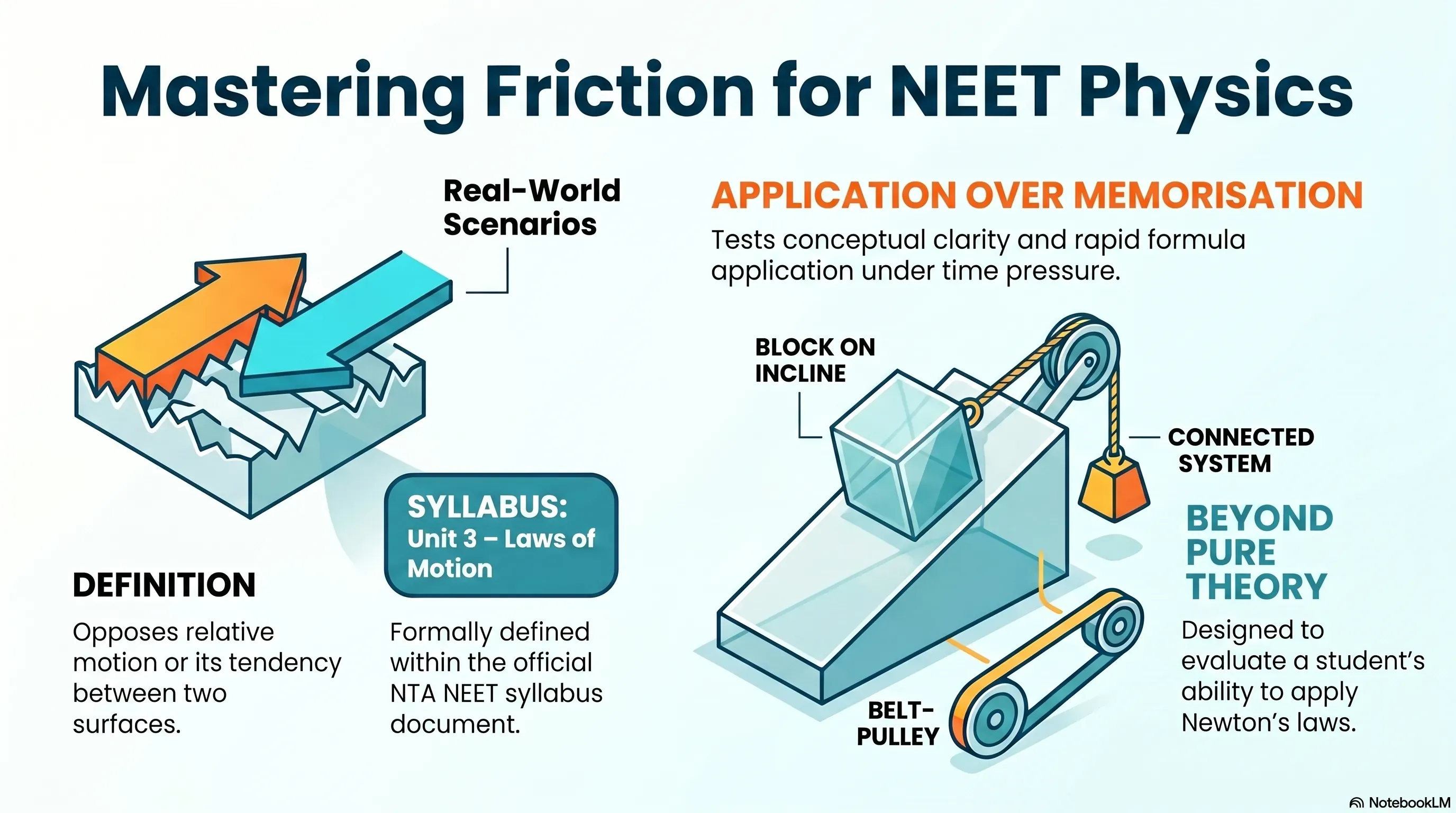
Friction is the contact force that opposes relative motion (or the tendency of relative motion) between two surfaces. In the NEET Physics syllabus, it falls under Unit 3 – Laws of Motion, as defined in the NTA NEET syllabus document.
NTA includes friction because it tests a student's ability to apply Newton's laws in real-world scenarios — block-on-incline problems, connected systems, and belt-pulley arrangements. These are not pure memorisation questions; they require conceptual clarity and quick formula application under time pressure.
NEET Previous Year Questions


Frequently Asked Questions
How many questions come from friction in NEET every year?
NEET typically has 1–2 questions directly from friction each year. These fall under the Laws of Motion unit. Over the 2010–2024 period, NTA asked approximately 22–29 friction-related questions in total, averaging about 1.5 per paper. Some years had 2 questions; a few years had none.
Is friction important for NEET 2025 and 2026?
Yes. Friction remains a core topic in the NTA NEET syllabus under Class 11 Physics – Laws of Motion. NTA has not removed it from the official syllabus. Given its consistent appearance in past papers and its applicability in real-world force scenarios, it is a reliable scoring topic if formulas and FBD methods are solid.
What is the difference between static friction and kinetic friction in NEET questions?
Static friction acts when the object is stationary and adjusts itself up to a maximum value (μ_s × N). Kinetic friction acts when the object is already in motion and remains constant at μ_k × N. In NEET, the key is identifying which type applies: check if the object moves or is on the verge of moving before selecting your formula.
What is the angle of repose and how is it tested in NEET?
The angle of repose (θ_r) is the maximum incline angle at which a block remains stationary without sliding. It satisfies tan θ_r = μ_s. NTA tests this both as a direct formula question and as a comparison question (e.g., "which surface has a higher angle of repose?"). It is also equal to the angle at which a block slides at constant velocity (where tan θ = μ_k).
How should I practise friction PYQs for NEET most effectively?
Solve PYQs year-wise rather than topic-wise first. This trains you to identify the question type quickly, just as you would in the actual NEET paper. After completing all years, switch to topic-wise revision to fill concept gaps. Always solve without looking at the solution first, then compare your method — not just your answer — with the worked solution provided.
Team eSaral
eSaral Academic and Editorial Team
Team eSaral is the collective author profile for educational content created by eSaral’s teachers and academic contributors. The team draws on expertise from IIT graduates, doctors, experienced educators and subject specialists to develop resources for JEE, NEET and school students. Our articles aim to explain concepts clearly and help students study with confidence.
Related Posts

Plant Cell Diagram: Labelled Structure, Parts and Functions
Simple, labelled plant cell diagram with parts and functions. Covers plant cell structure for Class 6, 7, 8, 9, 10 and 11 students, CBSE-aligned.

Saransh Gupta Sir's Visit to IIT Patna: Hostel Life, Placements & Lessons for JEE Aspirants
Inside Saransh Gupta Sir's IIT Patna visit — hostel life, the library, placements, internships, and real advice for JEE aspirants from students living the IIT dream.
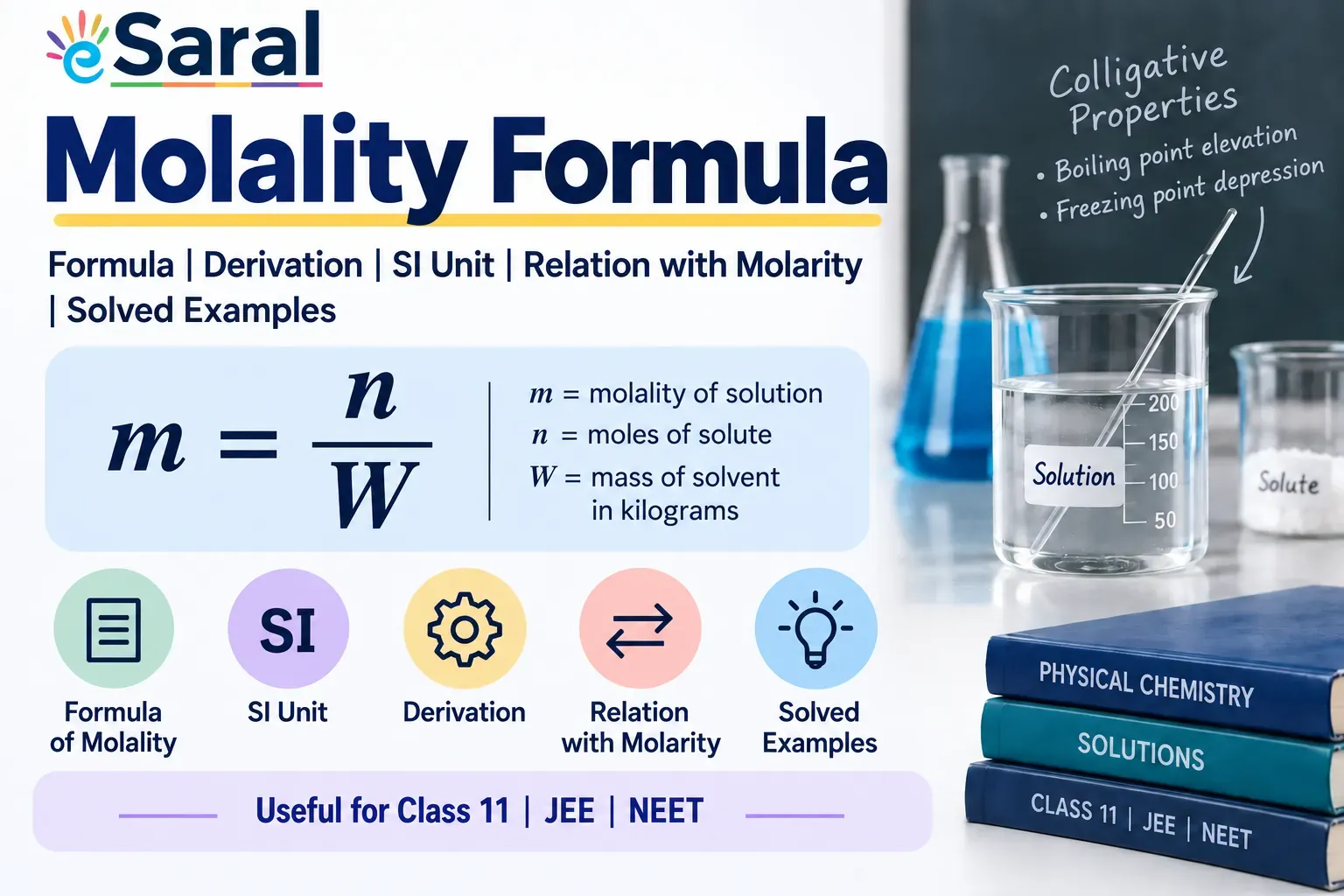
Molality Formula: Formula for Molality, Derivation & Solved Examples
Molality formula is $m = \dfrac{n}{W}$. Learn the formula of molality, its SI unit, derivation, relation with molarity, and solved examples for Class 11, JEE and NEET.
BITSAT Previous Year Question Paper PDF
Download BITSAT previous year question papers PDF. Get year-wise BITSAT PYQs, memory-based papers, exam pattern, and preparation tips to improve your BITSAT preparation.

Teachers’ Day 2026 at eSaral Gurukul: Celebrating the Bond Between Students, Teachers & Mentors
See how Teachers’ Day 2026 was celebrated at eSaral Gurukul, reflecting the bond among students, teachers, and mentors, and the role of guidance beyond academics.
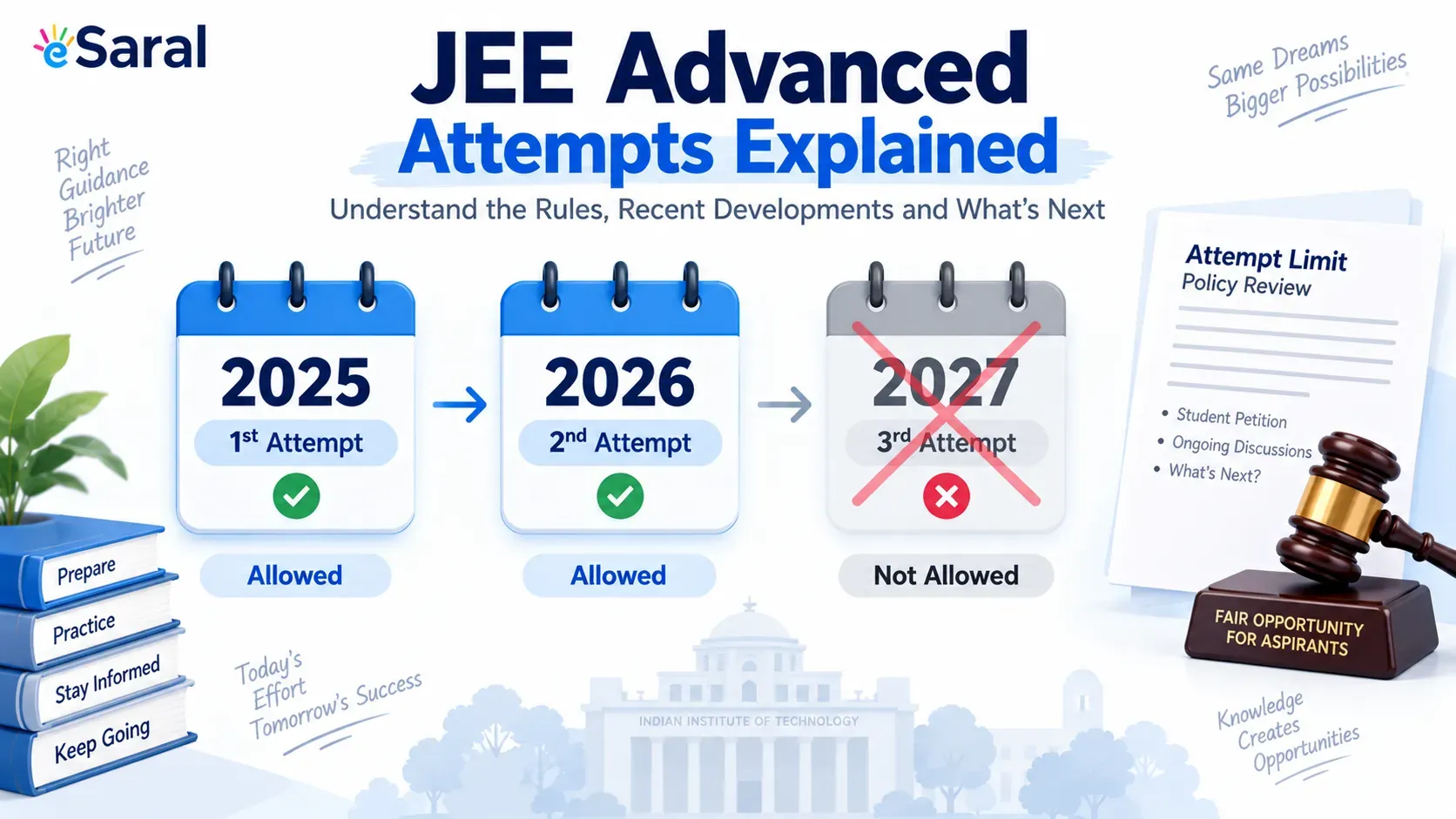
JEE Advanced Attempts: Can You Give It a Third Time? Rules Explained
JEE Advanced attempts: current rule is 2 consecutive years only: full eligibility criteria, the 2025 third-attempt controversy, and the latest 2026 petition news.

Best JEE Preparation App
Best JEE preparation app for Main & Advanced: AI mock tests, live doubt-solving, thousands of practice questions. JEE preparation app for droppers & Class 11-12.
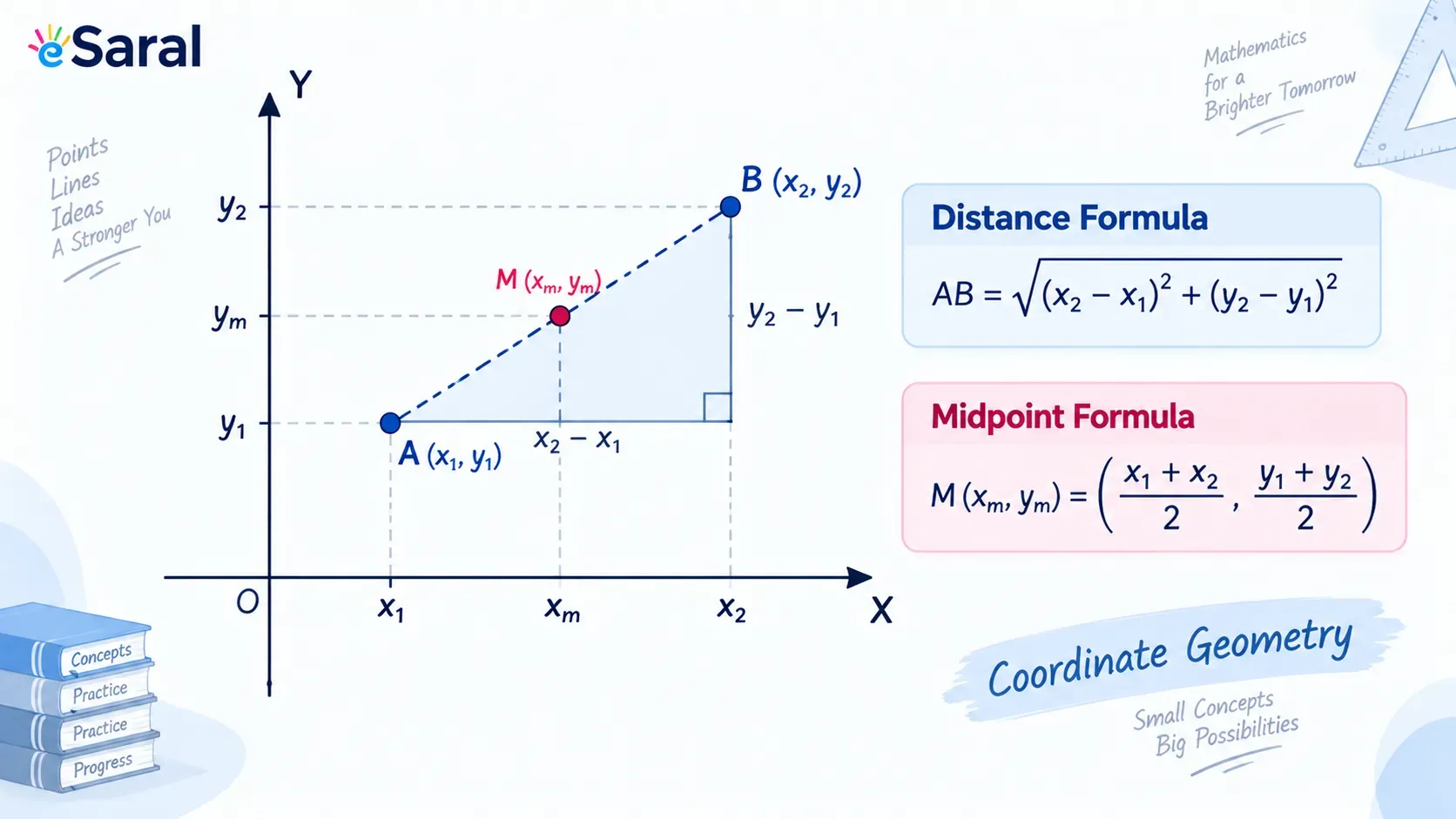
Coordinate Geometry Class 10: Formulas, Notes & Solved Examples
Coordinate geometry class 10: complete CBSE formulas — distance, section, midpoint and area of triangle — with derivation, notes and solved examples.
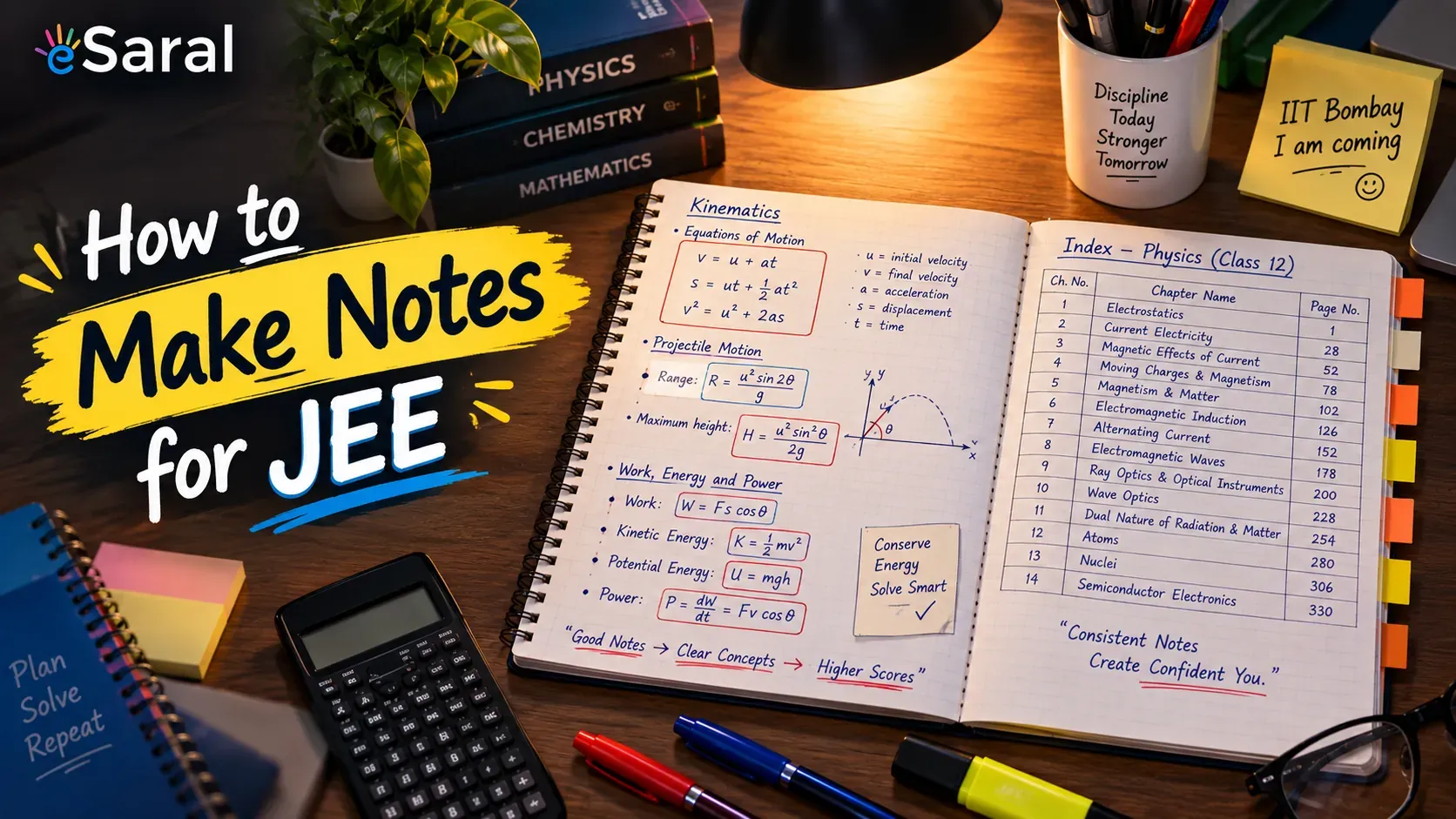
How to make Notes For JEE Smart Notes Strategy of an AIR 41
Learn how to make notes for JEE the way toppers do — indexing, shorthand, and smart short notes for JEE that cut revision time to just 5–7 days.
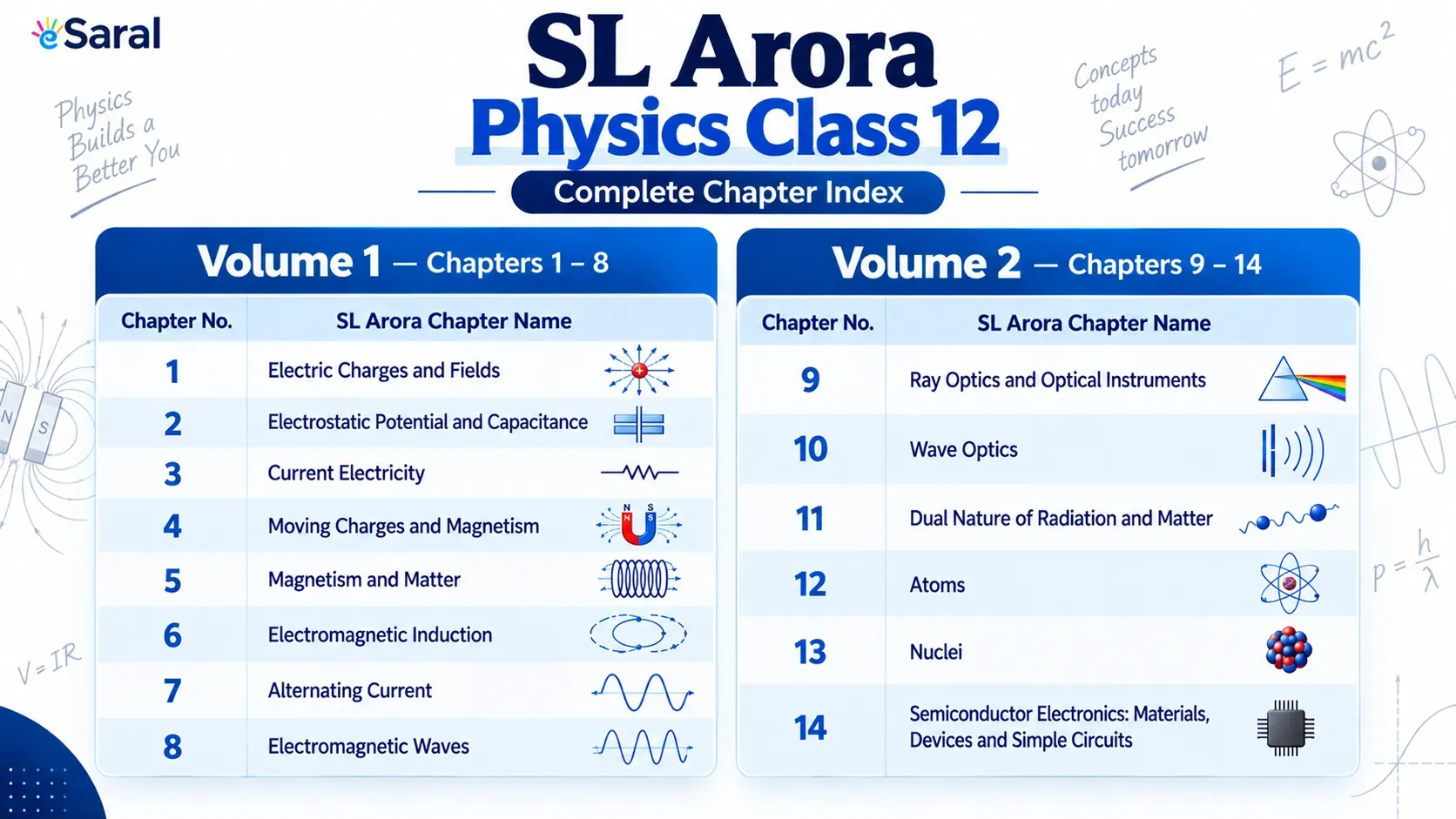
SL Arora Physics Class 12 Index – Chapter List for Volume 1 & 2
SL Arora Physics Class 12 index — complete chapter list for Volume 1 & 2, mapped to NCERT solutions for board, JEE Main, and NEET preparation.