
JEE Main April 2021 Question Paper (Session 3) - PDF Download

eSaral Academic and Editorial Team
About JEE Main 2021 Exam (Session 3)
The Joint Entrance Examination (JEE) Main 2021 is a prominent engineering entrance exam in India. Exams of JEE Main 2021 (April session) was conducted in July month due to COVID.
Phases: JEE Main 2021 had multiple phases. The first phase took place in February, followed by subsequent phases in March, April, and May. JEE Main 2021 exam was conducted multiple times to provide candidates with more opportunities to improve their scores.
Mode: JEE Main 2021 (April session) was conducted in Computer-Based Test (CBT) mode.
Subjects: JEE Main 2021 (April session) exam covered three subjects - Physics, Chemistry, and Mathematics.
Eligibility: To be eligible for JEE Main, candidates had to meet certain eligibility criteria, including passing 10+2 or its equivalent examination with Physics, Chemistry, and Mathematics as mandatory subjects.
Scoring: JEE Main 2021 used a normalized scoring system to account for differences in difficulty levels across different exam sessions. The final result was based on the best score obtained by a candidate in any of the exam sessions.
Qualification: Qualifying JEE Main 2021 is necessary to appear for the JEE Advanced examination 2021, which is the gateway to admissions in the Indian Institutes of Technology (IITs).
Application Process: Candidates had to fill out an online application form, upload required documents, and pay the application fee to register for JEE Main 2021.
Syllabus: The syllabus for JEE Main 2021 was based on the NCERT curriculum for 11th and 12th standards.
For students preparing with this JEE Main session, the complete JEE Main previous year question paper lets them compare this session with papers from other years and practise a wider range of questions.
Exam Dates in April-2021 (Session 3)
JEE Main 2021 April session (Session 3)
Events of JEE Main 2021 (Session 3) | Important dates |
Release of Notification | 6th July 2021 |
Starting of Registration process | 6th July 2021 |
Image correction starts | 6th – 8th July 2021 |
End of registration | 8th July 2021 |
Last date of fee payment | 8th July 2021 |
Application Correction starts | 6th – 8th July 2021 |
Release of Admit card | 14th July 2021 |
JEE Main Exam 3rd Session | 20th, 22nd, 25th & 27th July 2021 |
Display of Answer key | 5th August 2021 |
Declaration of Result | 6th August 2021 |
Counselling process starts | 16th October 2021 |
JEE Main 2021 (Session 3) - Exam Pattern
Parameters | JEE Main 2021 - B.E./B.Tech |
Mode of Examination | CBT Mode |
Duration of exam | 3 hours |
Total subjects | Physics, Chemistry and Mathematics |
Number of questions (Asked) | 90 (30 questions from each subject) |
Number of questions (To be Answered) | 75 (25 questions from each subject) |
Type of Questions | 60 (MCQs having 4 options each with 1 correct option) |
Marking scheme | For MCQs: +4 for each correct response; -1 for each incorrect response; unattempted questions will not be marked. For Non-MCQs: +4 for each correct response, no negative marking for incorrect answers or unattempted questions. |
Maximum Marks | 300 Marks |
Medium of paper | English, Hindi, Urdu (All Centre Cities) Regional Languages |
Parameters | JEE Main 2021 – B. Arch |
Mode of Examination | Mathematics and Aptitude- CBT Mode Drawing- Pen and paper mode |
Duration of exam | 3 hours |
Total subjects | Mathematics, Aptitude Test, and Drawing Test |
Number of questions (Asked) | 82 (Mathematics- 30; Aptitude- 50; Drawing- 2) |
Number of questions (To be Answered) | 77 (Mathematics- 25; Aptitude- 50; Drawing- 2) |
Type of Questions | Maths- 20 (MCQs) + 10 (Questions for which answer is a Numerical Value) + Aptitude- 50 MCQ + Drawing- 2 Questions |
Marking scheme | For MCQs: +4 for each correct response; -1 for each incorrect response; Unattempted questions will not be marked. For Non- MCQs: +4 for each correct response, no negative marking for incorrect answers or unattempted questions For Drawing Test: 2 questions of 100 marks |
Maximum Marks | 400 Marks |
Medium of paper | English, Hindi, Urdu (All Centre Cities) Regional Languages |
Parameters | JEE Main 2021 - B. Planning |
Mode of Examination | CBT Mode |
Duration of exam | 3 hours |
Total subjects | Mathematics, Aptitude Test, and Planning Based Objective Type |
Number of questions (Asked) | 105 (Mathematics- 30; Aptitude- 50; Planning Based-25) |
Number of questions (To be Answered) | 100 (Mathematics- 25; Aptitude- 50; Planning Based-25) |
Type of Questions | Maths- 20 (MCQs) + 10 (Questions for which answer is a Numerical Value) + Aptitude- 50 MCQs + Planning Based Objective Type- 25 MCQs |
Marking scheme | For MCQs: +4 for each correct response; -1 for each incorrect response; Unattempted questions will not be marked. For Non- MCQs: +4 for each correct response, no negative marking for incorrect answers or unattempted questions. |
Maximum Marks | 400 Marks |
Medium of paper | English, Hindi, Urdu (All Centre Cities) Regional Languages |
Tips for Solving JEE Main April 2021 Question Paper (Session 3)
Solving the JEE Main April 2021 question paper can be a difficult task, but with the right approach and strategy, you can maximize your chances of success. Here are some tips to help you effectively solve the JEE Main April 2021 question paper.
Understand the exam format: JEE Main April 2021 question paper is divided into three parts: Physics, Chemistry and Mathematics. The total number of questions in question paper is 90, with 30 questions for each subject.
Time management: Set aside a specific time limit for each subject according to your strength and weaknesses. Don’t waste too much time on one question. If you get stuck on a question, move on and come back to it later if you have time.
Start with your strongest subject: Start your JEE Main April 2021 question paper with the subject that you feel most comfortable with. Start with your strongest subject will help you feel more confident and score higher in the first section.
Read Instructions: Before starting your JEE Main April 2021 question paper, make sure to read the instructions carefully for each section to avoid any confusion.
Why Should you solve the JEE Main April 2021 Question Paper (Session 3)?
Solving the JEE Main April 2021 Question Paper (Session 3) can offer several benefits to candidates who are preparing for the Joint Entrance Examination Main (JEE Main). Here are some reasons why you should consider solving this question paper:
Familiarity with Exam Pattern: Solving the JEE Main April 2021 Question Paper (Session 3) helps you become familiar with the exam's format, structure, and distribution of questions across subjects (Physics, Chemistry, and Mathematics). Familiarity with exam pattern can reduce anxiety on the actual exam day.
Practice for Real Exam Conditions: Attempting the JEE Main April 2021 Question Paper (Session 3) under timed conditions simulates the actual exam experience. Attempting the JEE Main April 2021 Question Paper (Session 3) helps you get used to the time constraints and pressure you'll face during the JEE Main exam.
Identifying Strengths and Weaknesses: By solving the JEE Main April 2021 Question Paper (Session 3), you can identify your strong and weak areas in each subject. Solving the JEE Main April 2021 Question Paper (Session 3) allows you to focus your remaining preparation efforts on improving your weaknesses.
Assessment of Preparation Level: Your performance on the JEE Main April 2021 Session 3 paper serves as a benchmark to assess how well you are prepared for the exam. It can give you an indication of your current readiness and areas that require more attention.
Frequently Asked Questions
Question 1: When was the JEE Main 2021 April session scheduled to take place?
Answer 1: JEE Main 2021 April session was scheduled to take place 20th, 22nd, 25th & 27th July 2021.
Question 2: When was the result of JEE Main 2021 April session declared?
Answer 2: Result of JEE Main 2021 April session was declared on 6th August 2021.
Team eSaral
eSaral Academic and Editorial Team
Team eSaral is the collective author profile for educational content created by eSaral’s teachers and academic contributors. The team draws on expertise from IIT graduates, doctors, experienced educators and subject specialists to develop resources for JEE, NEET and school students. Our articles aim to explain concepts clearly and help students study with confidence.
Related Posts
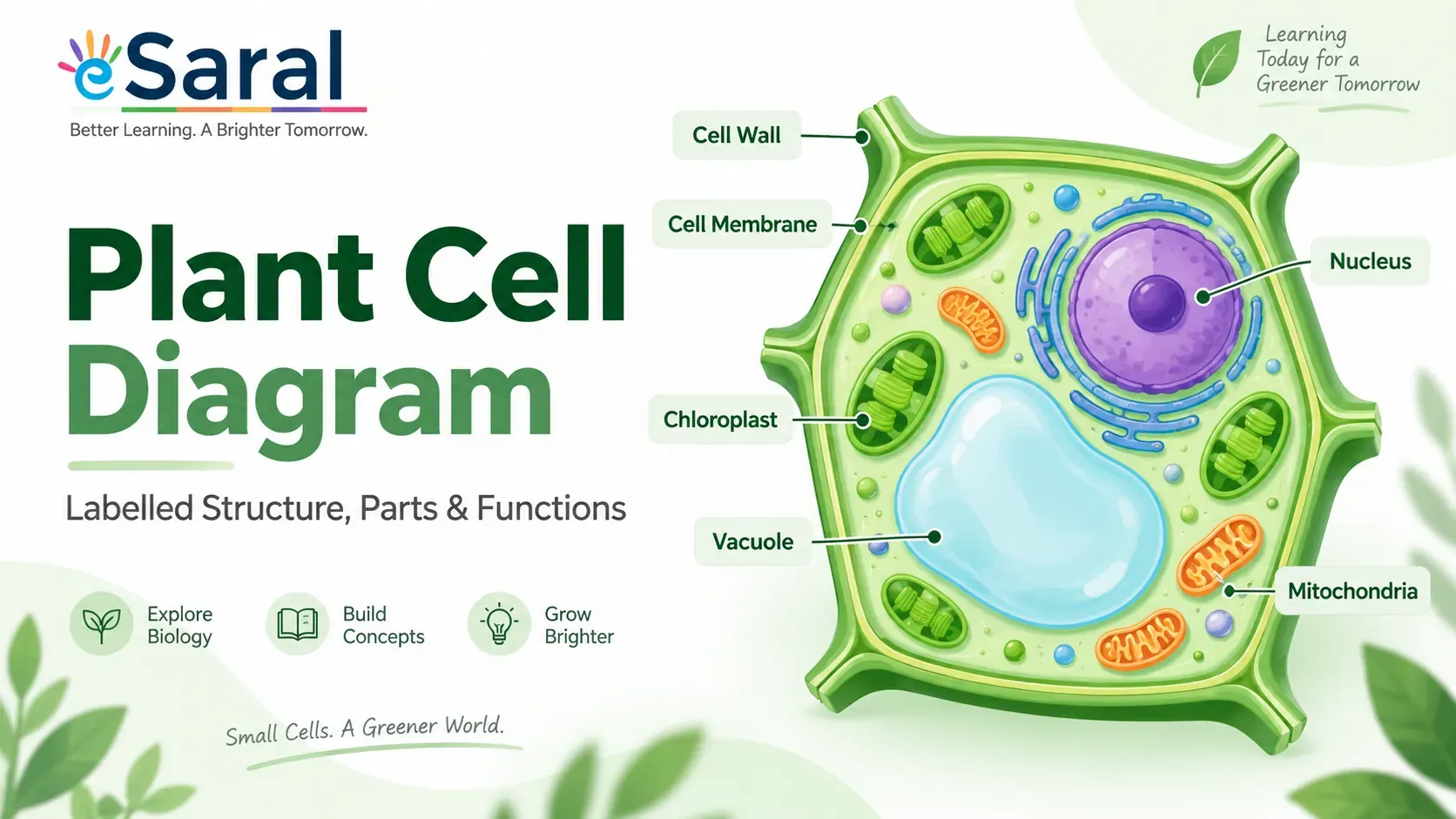
Plant Cell Diagram: Labelled Structure, Parts and Functions
Simple, labelled plant cell diagram with parts and functions. Covers plant cell structure for Class 6, 7, 8, 9, 10 and 11 students, CBSE-aligned.

Saransh Gupta Sir's Visit to IIT Patna: Hostel Life, Placements & Lessons for JEE Aspirants
Inside Saransh Gupta Sir's IIT Patna visit — hostel life, the library, placements, internships, and real advice for JEE aspirants from students living the IIT dream.
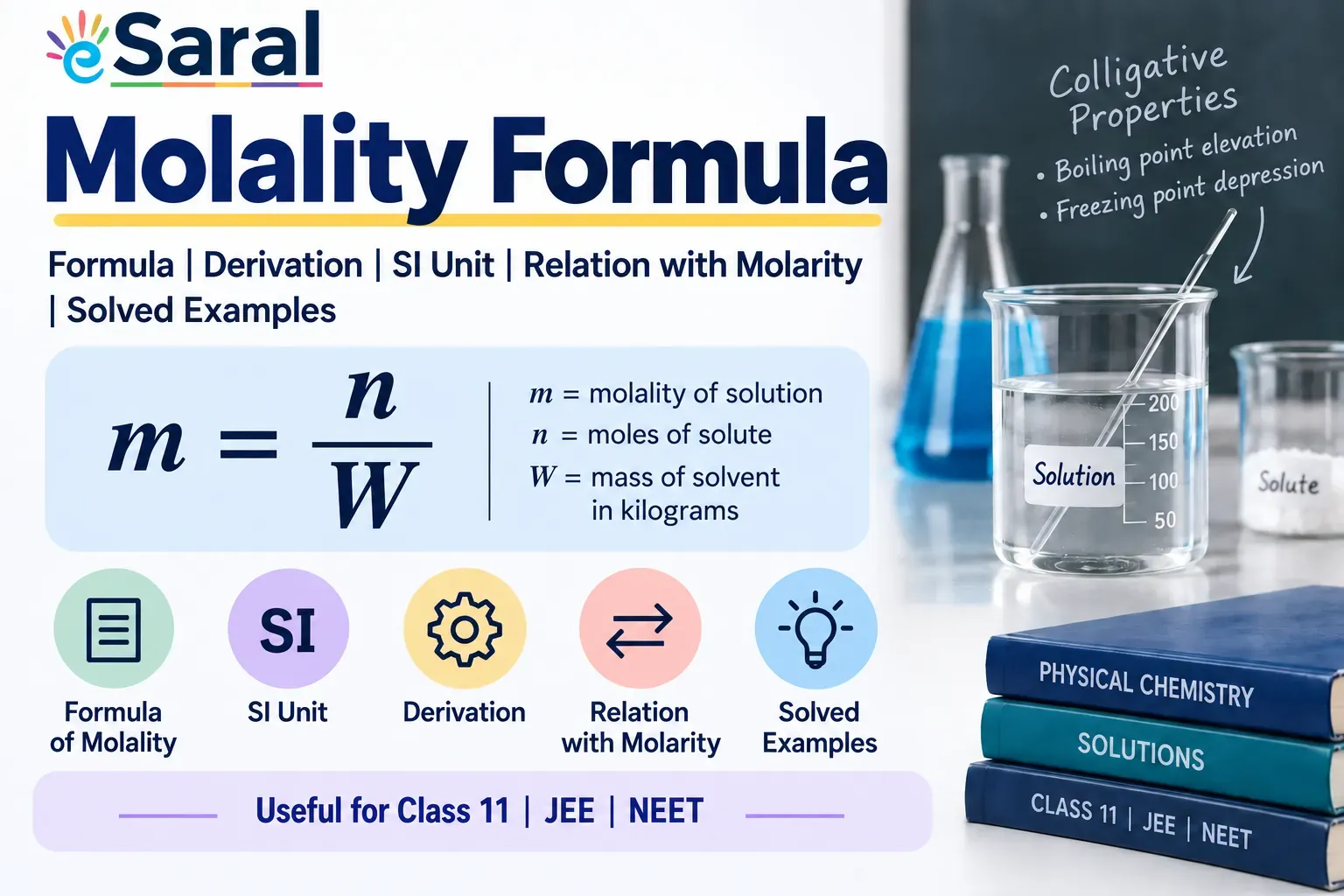
Molality Formula: Formula for Molality, Derivation & Solved Examples
Molality formula is $m = \dfrac{n}{W}$. Learn the formula of molality, its SI unit, derivation, relation with molarity, and solved examples for Class 11, JEE and NEET.
BITSAT Previous Year Question Paper PDF
Download BITSAT previous year question papers PDF. Get year-wise BITSAT PYQs, memory-based papers, exam pattern, and preparation tips to improve your BITSAT preparation.

Teachers’ Day 2026 at eSaral Gurukul: Celebrating the Bond Between Students, Teachers & Mentors
See how Teachers’ Day 2026 was celebrated at eSaral Gurukul, reflecting the bond among students, teachers, and mentors, and the role of guidance beyond academics.
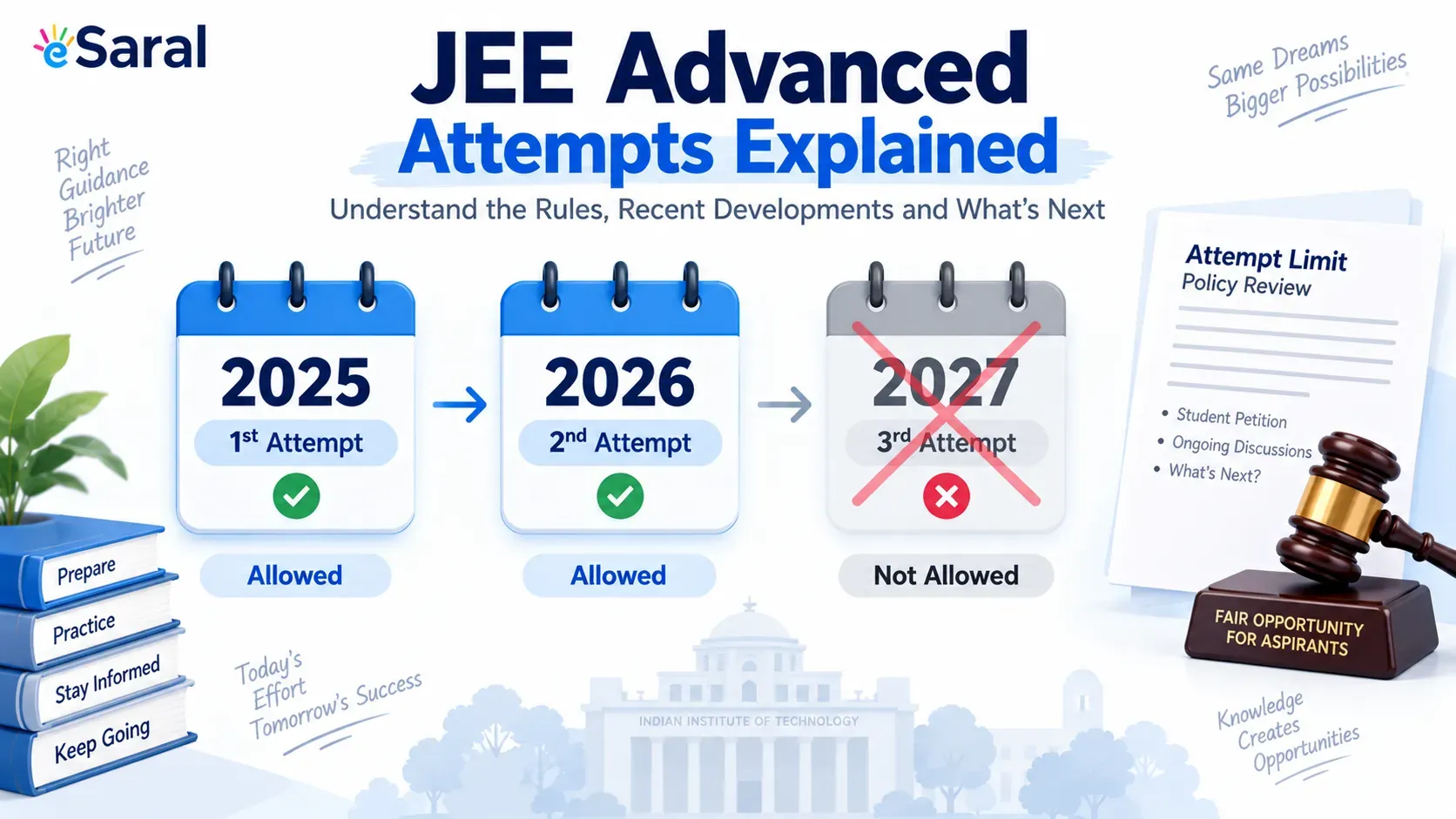
JEE Advanced Attempts: Can You Give It a Third Time? Rules Explained
JEE Advanced attempts: current rule is 2 consecutive years only: full eligibility criteria, the 2025 third-attempt controversy, and the latest 2026 petition news.

Best JEE Preparation App
Best JEE preparation app for Main & Advanced: AI mock tests, live doubt-solving, thousands of practice questions. JEE preparation app for droppers & Class 11-12.
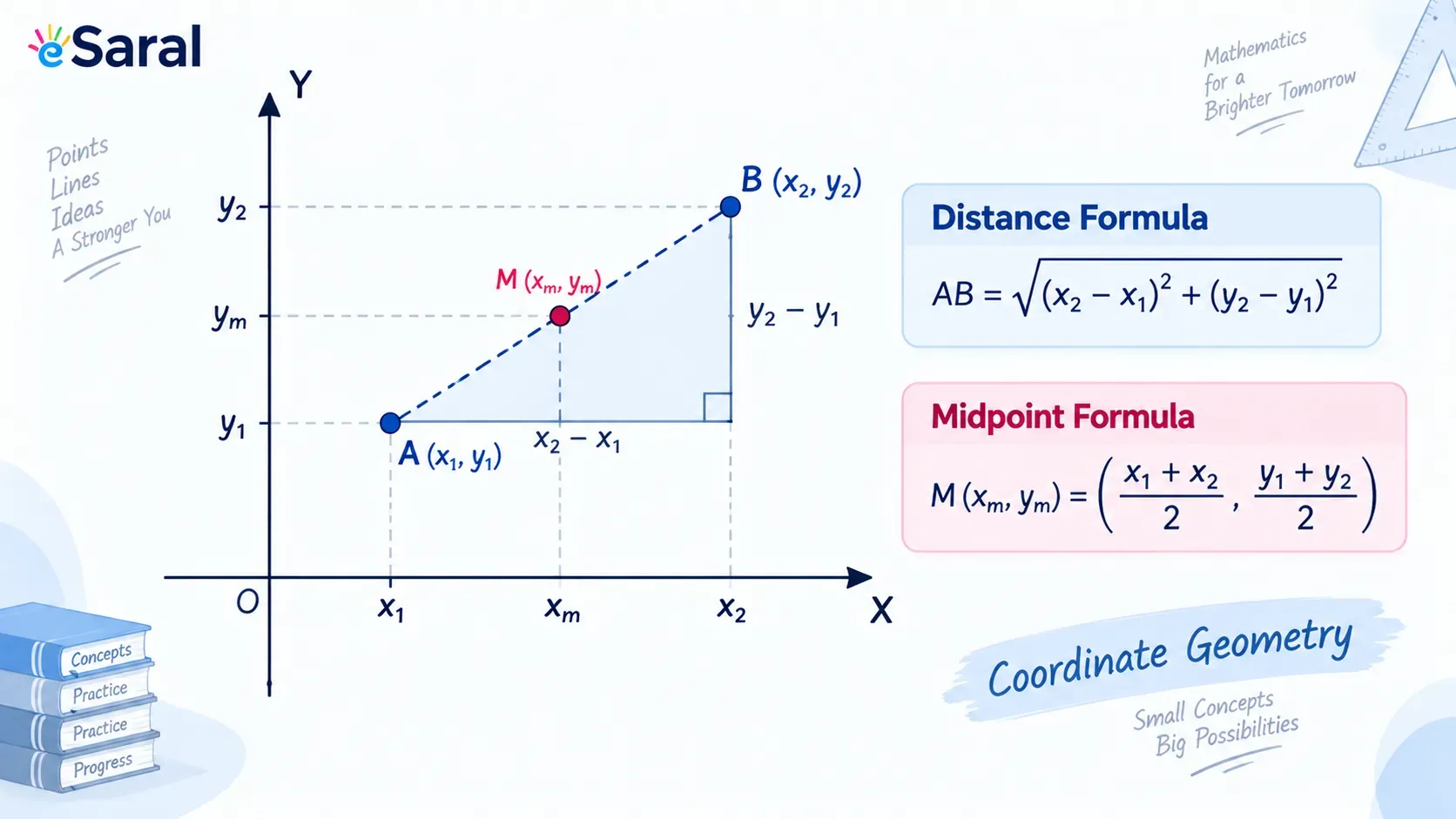
Coordinate Geometry Class 10: Formulas, Notes & Solved Examples
Coordinate geometry class 10: complete CBSE formulas — distance, section, midpoint and area of triangle — with derivation, notes and solved examples.
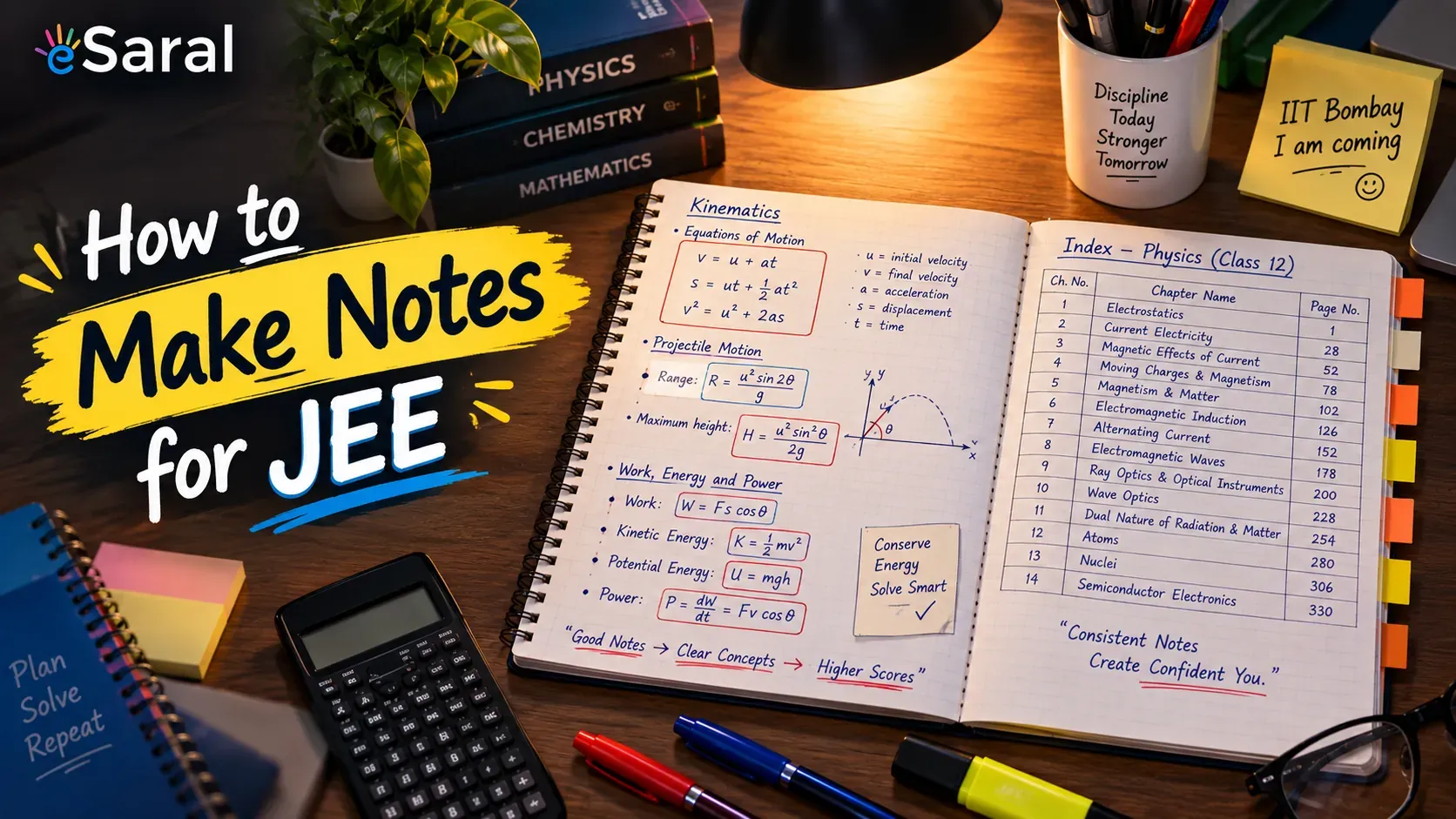
How to make Notes For JEE Smart Notes Strategy of an AIR 41
Learn how to make notes for JEE the way toppers do — indexing, shorthand, and smart short notes for JEE that cut revision time to just 5–7 days.
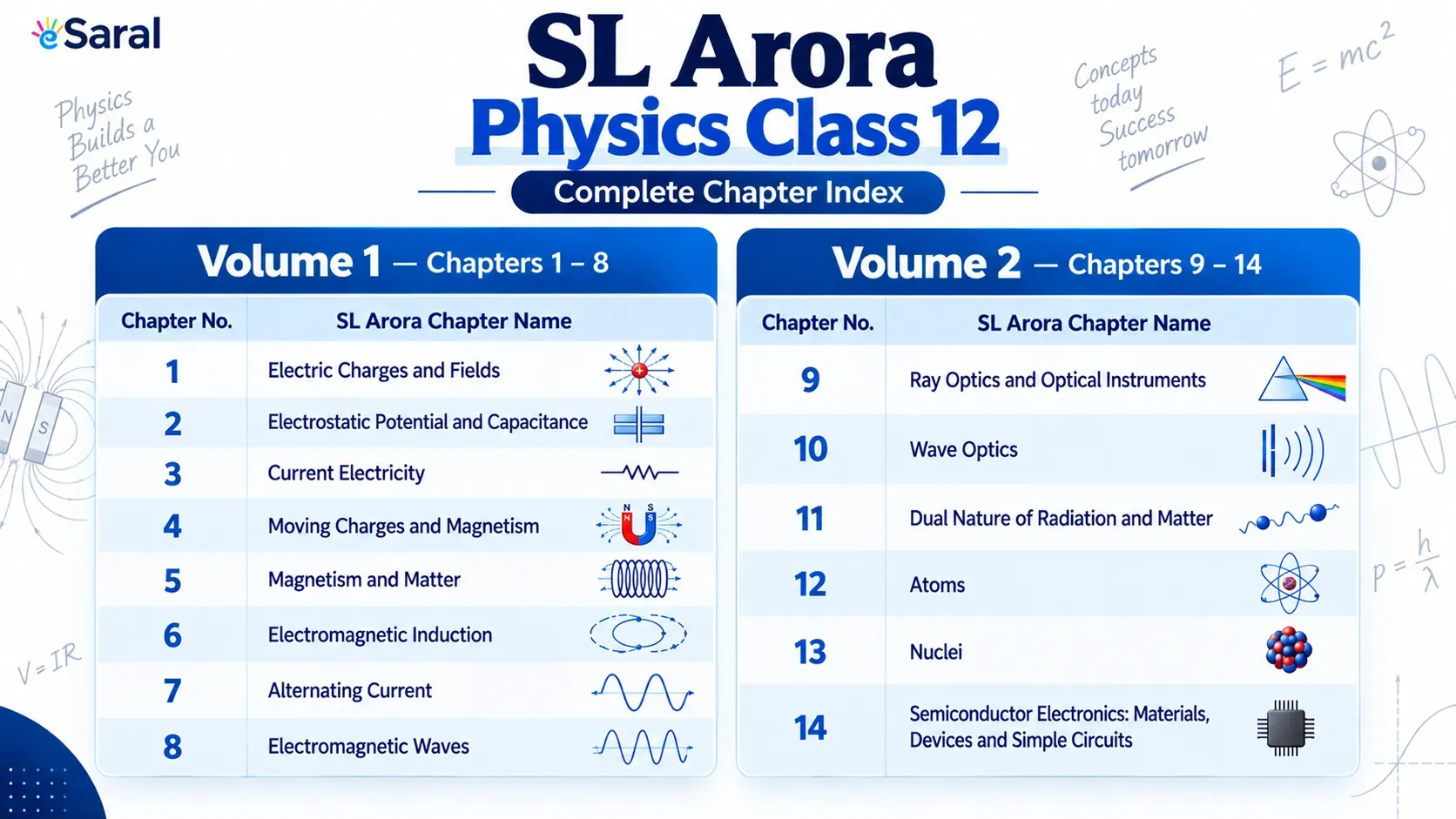
SL Arora Physics Class 12 Index – Chapter List for Volume 1 & 2
SL Arora Physics Class 12 index — complete chapter list for Volume 1 & 2, mapped to NCERT solutions for board, JEE Main, and NEET preparation.