
Kinematics 2D(Projectile Motion) - NEET Previous Year Question with Complete Solution

eSaral Academic and Editorial Team
Summary
Kinematics 2D (Projectile Motion) NEET PYQ: Practice previous year NEET questions on projectile motion to master range, time of flight, maximum height, and two-dimensional motion concepts.
eSaral › NEET › Kinematics 2D(Projectile Motion)

What Is Projectile Motion and Why Does NEET Ask It Every Year?
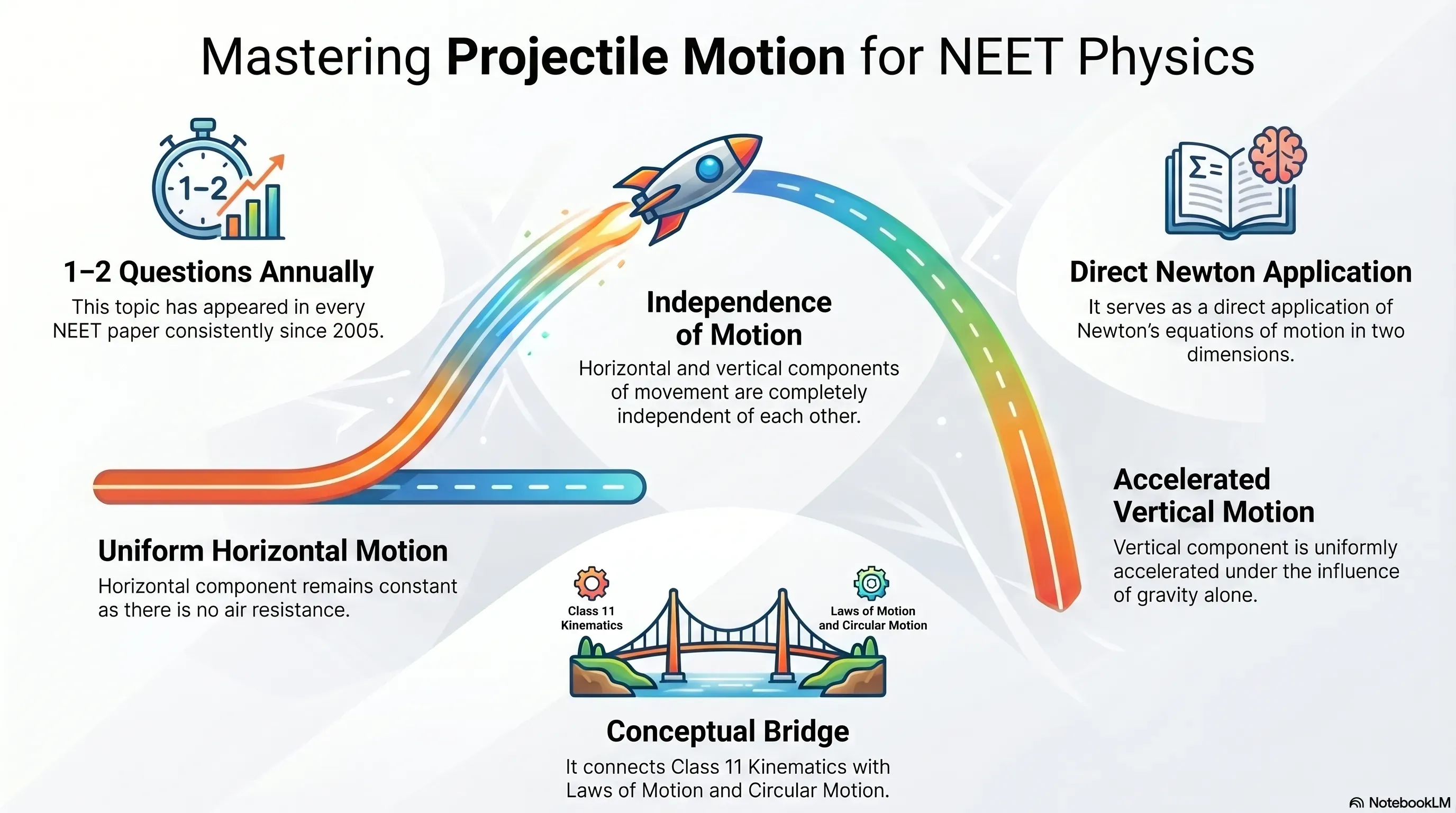
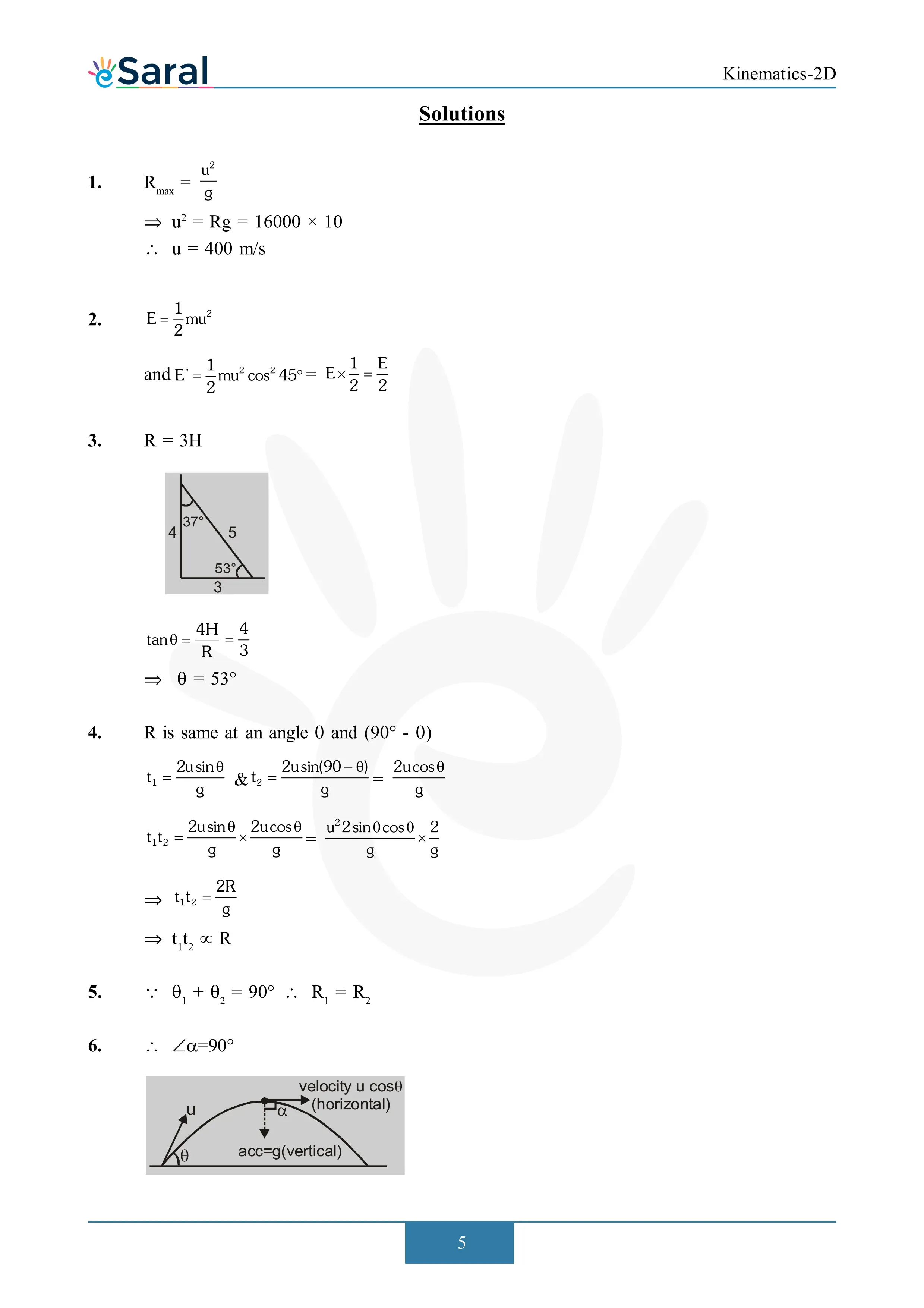
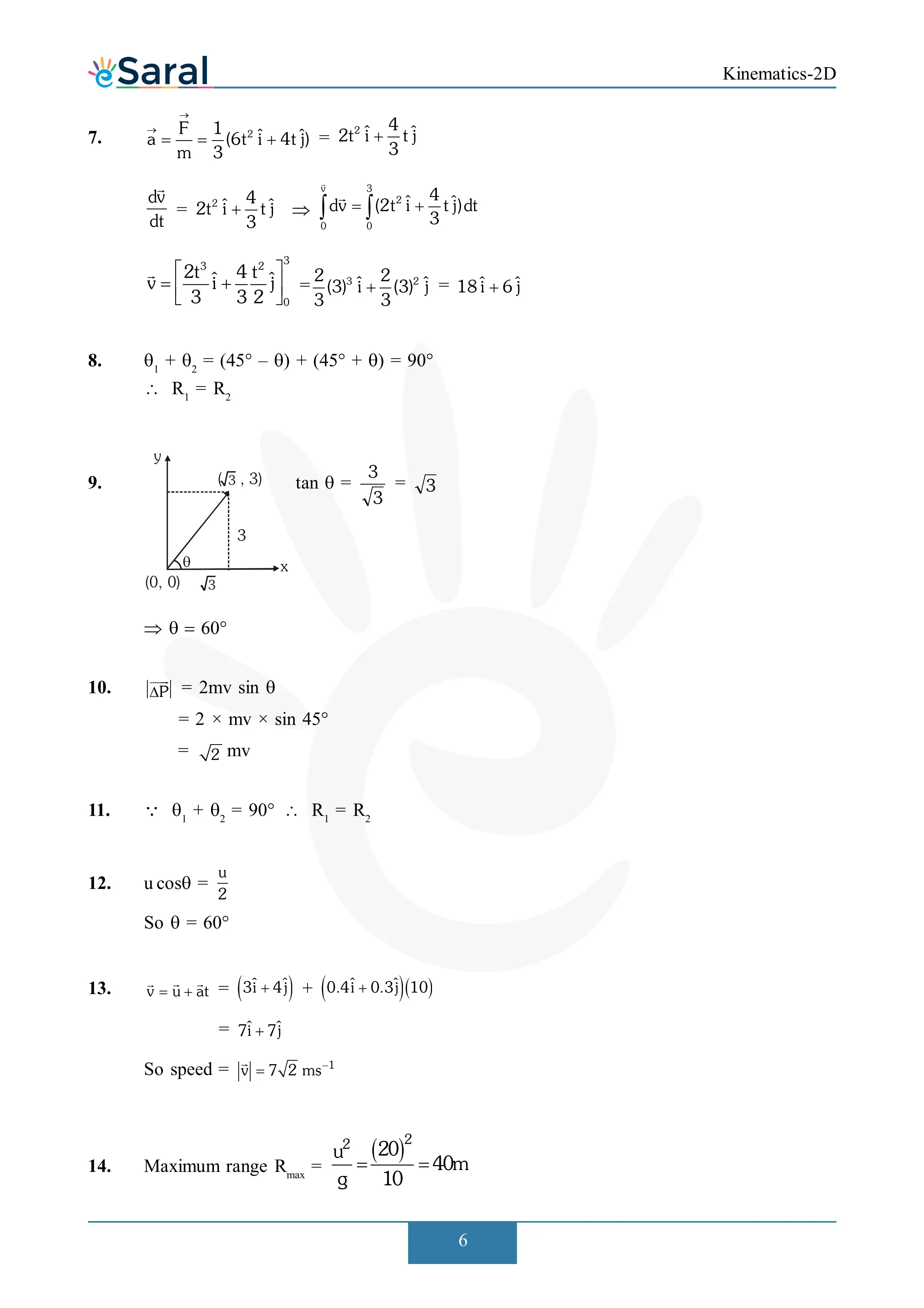
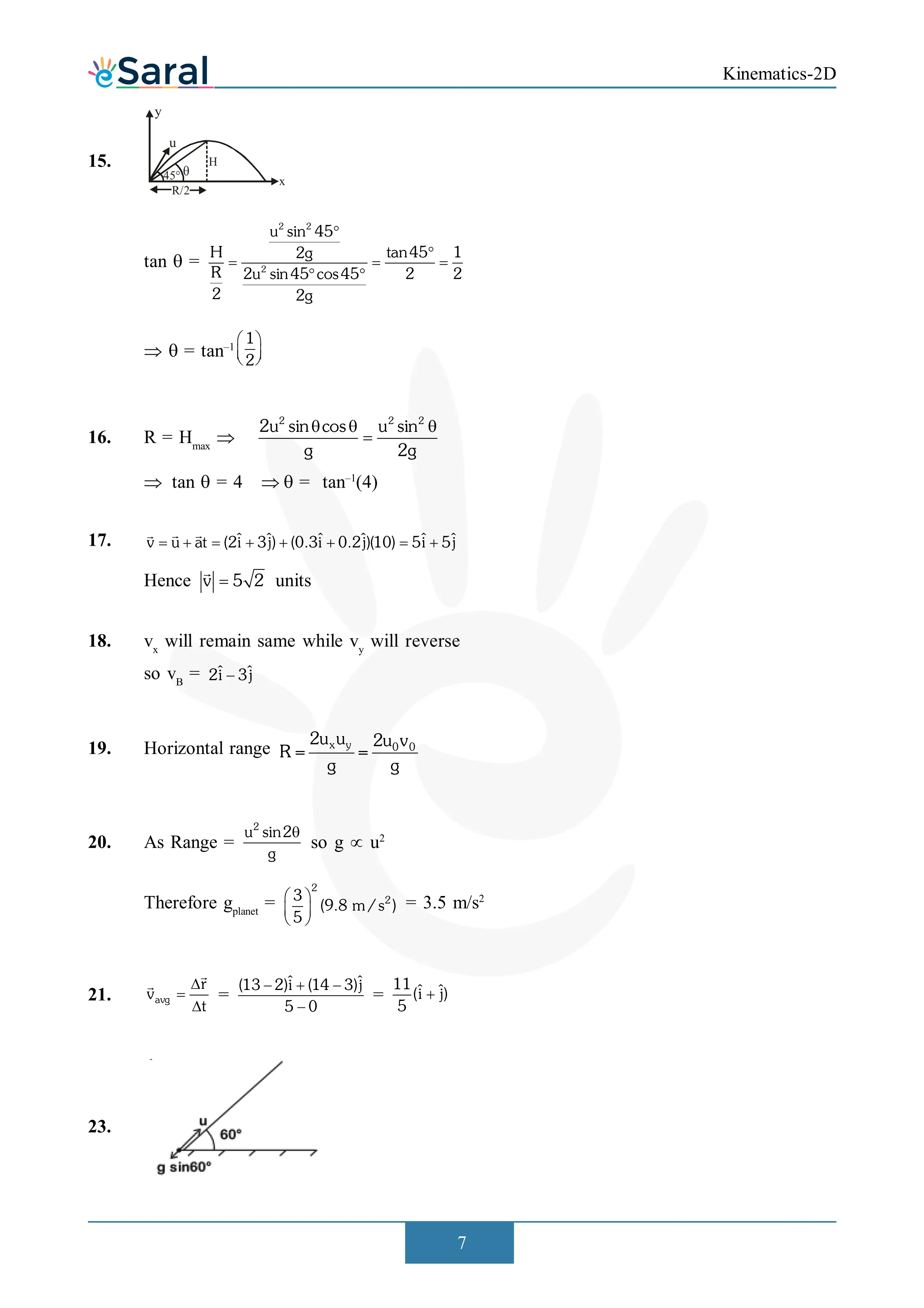
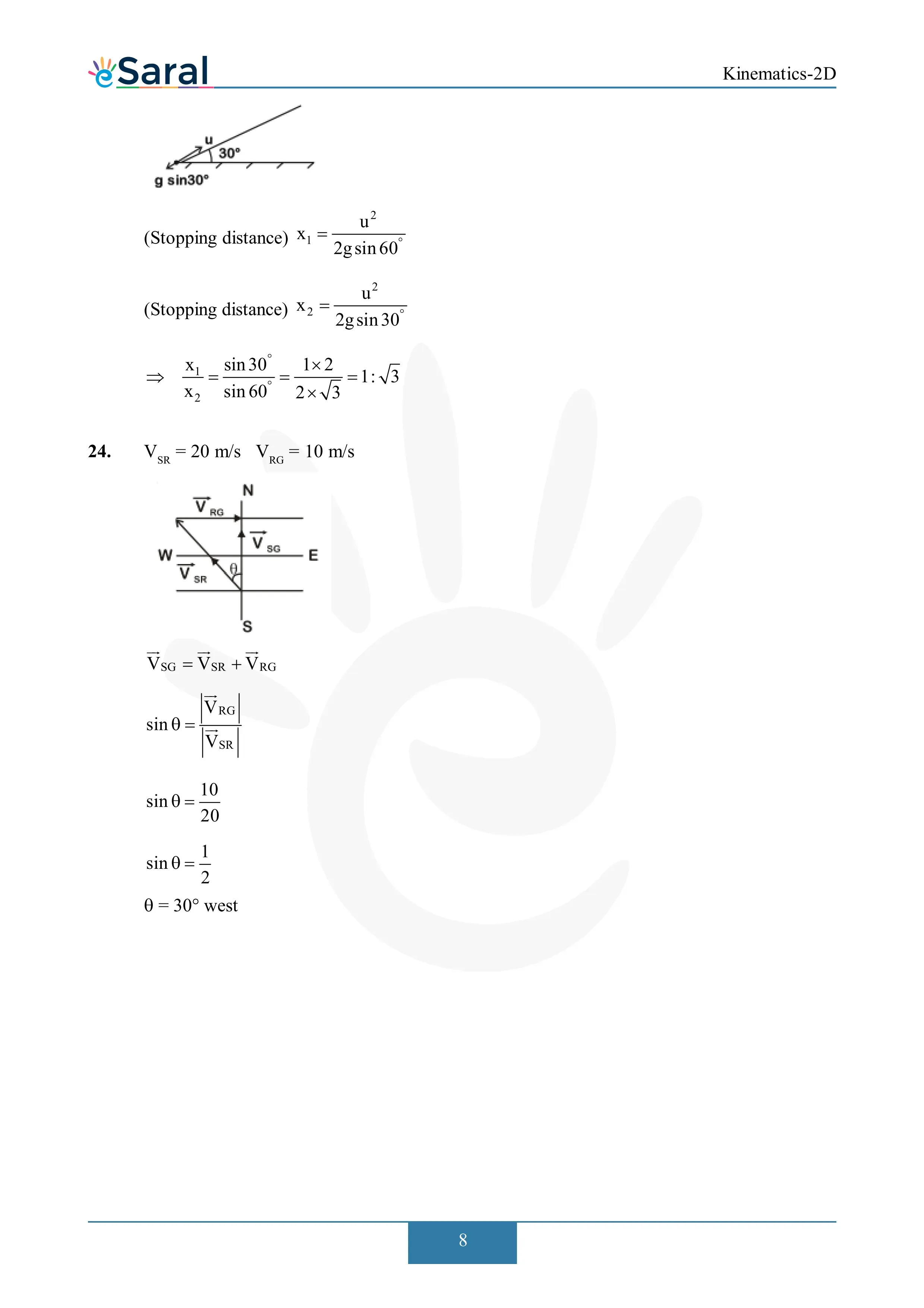
Projectile motion is the two-dimensional motion of an object launched into the air under the influence of gravity alone, with no air resistance. The horizontal and vertical components of motion are completely independent of each other — horizontal motion is uniform, and vertical motion is uniformly accelerated.
NEET has consistently included 1–2 questions from Kinematics 2D in every paper since 2005, according to NTA's official chapter-wise analysis. The reason is straightforward: projectile motion is a direct application of Newton's equations of motion in two dimensions, and it bridges Class 11 Kinematics with later chapters like Laws of Motion and Circular Motion.
Here you will get Complete Kinematics 2D (Projectile Motion) NEET Previous Year Questions with complete and detailed solutions. Get complete NEET previous year questions for Physics, Chemistry and Biology. You will find all the solutions at the end of this page
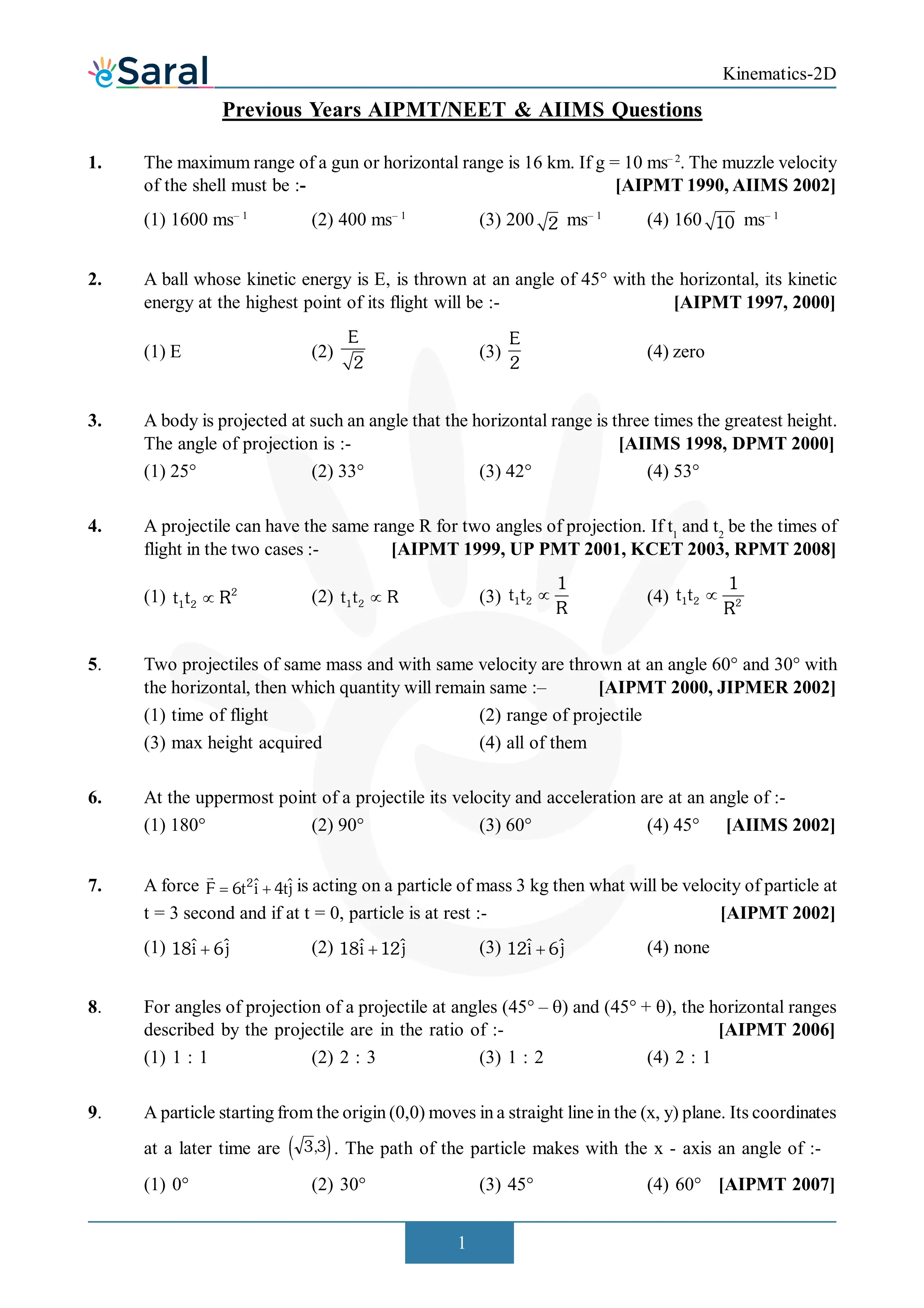
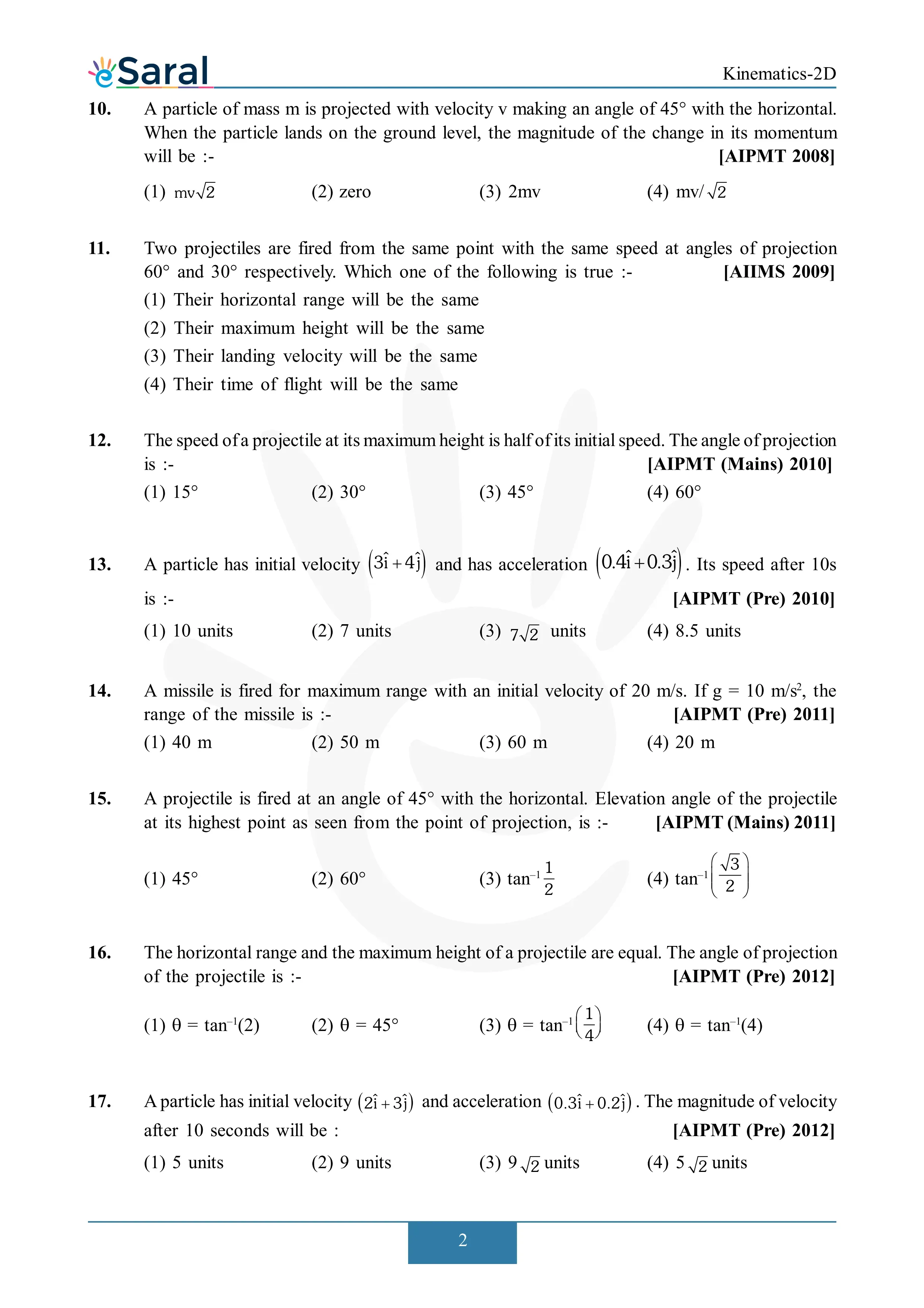
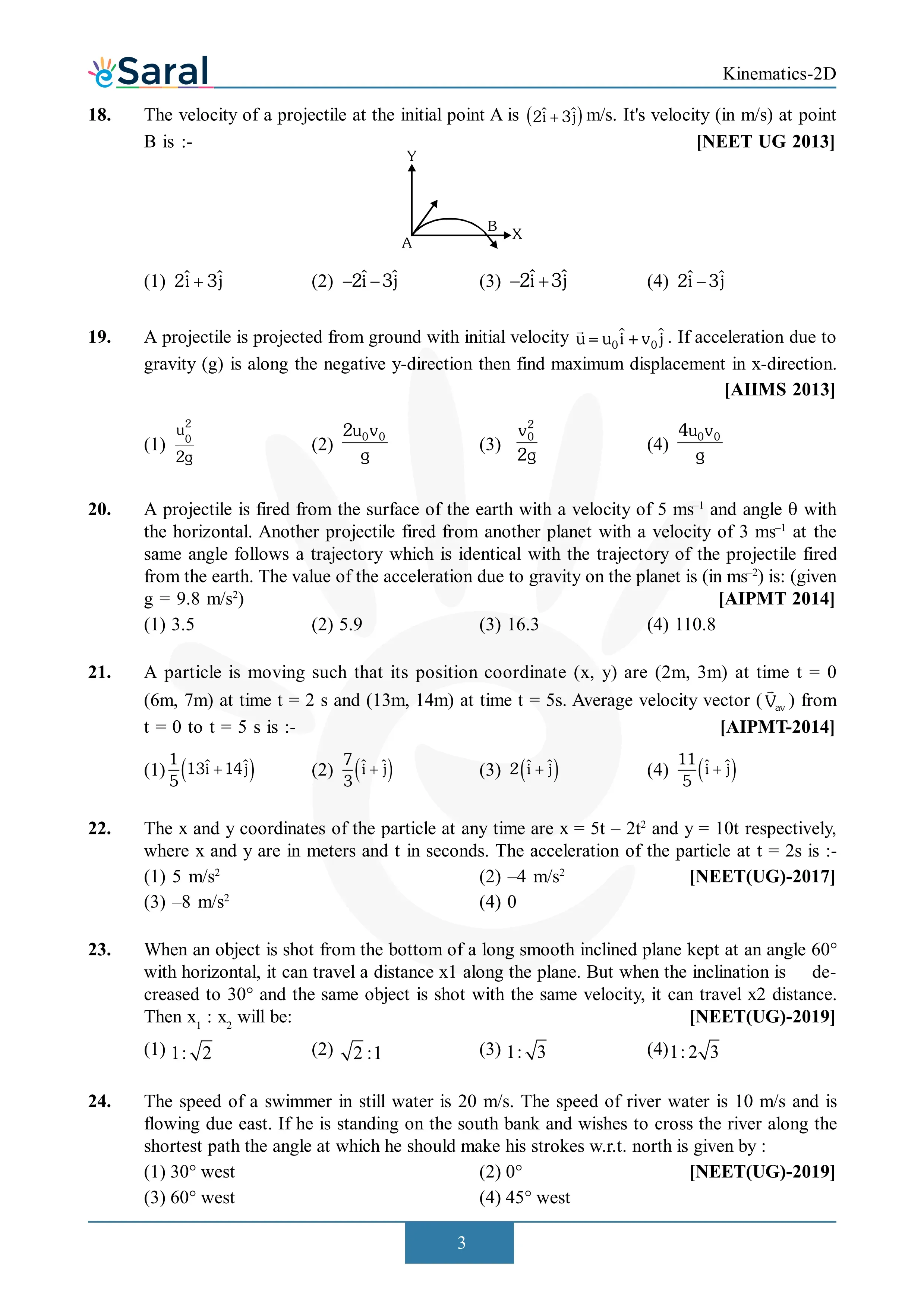
NEET Previous Year Question with Complete Solution

Frequently Asked Questions
How many questions from Projectile Motion appear in NEET every year?
NEET typically includes 1 to 2 questions from Projectile Motion (Kinematics 2D) in the Physics section each year. Based on NTA's official question papers from 2010 to 2024, this sub-topic has appeared in nearly every paper. Solving all available PYQs from this chapter gives you strong confidence and familiarity with the question patterns before the actual exam.
What is the most important formula to remember for NEET Projectile Motion?
The horizontal range formula — R = u² sin2θ / g — is the single most tested relationship in NEET Projectile Motion questions. It directly involves the launch angle, initial speed, and gravitational acceleration. A close second is the time of flight formula T = 2u sinθ / g. Together, these two cover the majority of NEET marks in this sub-topic.
Is Projectile Motion from Class 11 or Class 12 Physics for NEET?
Projectile Motion is a Class 11 Physics topic, covered in Chapter 4 (Motion in a Plane) of the NCERT textbook. It falls under the Kinematics unit of the NEET Physics syllabus as defined by NTA. Students should complete this chapter before moving to Laws of Motion and Work-Energy Theorem, as it underpins several later topics.
What is the angle for maximum range in projectile motion?
Maximum horizontal range is achieved at a launch angle of 45°, given the same initial speed and ignoring air resistance. At 45°, sin2θ = sin90° = 1, which is its maximum possible value, making R = u²/g the largest achievable range. This result holds for projectiles launched from and landing on the same horizontal level.
Do complementary angles give the same range in projectile motion?
Yes. Two launch angles that add up to 90° — such as 30° and 60°, or 20° and 70° — always produce the same horizontal range for the same initial speed. This is because sin2θ = sin(180°−2θ), meaning both angles give the same value of sin2θ. NEET has tested this relationship in multiple question formats over the years.
Team eSaral
eSaral Academic and Editorial Team
Team eSaral is the collective author profile for educational content created by eSaral’s teachers and academic contributors. The team draws on expertise from IIT graduates, doctors, experienced educators and subject specialists to develop resources for JEE, NEET and school students. Our articles aim to explain concepts clearly and help students study with confidence.
Related Posts

Plant Cell Diagram: Labelled Structure, Parts and Functions
Simple, labelled plant cell diagram with parts and functions. Covers plant cell structure for Class 6, 7, 8, 9, 10 and 11 students, CBSE-aligned.

Saransh Gupta Sir's Visit to IIT Patna: Hostel Life, Placements & Lessons for JEE Aspirants
Inside Saransh Gupta Sir's IIT Patna visit — hostel life, the library, placements, internships, and real advice for JEE aspirants from students living the IIT dream.
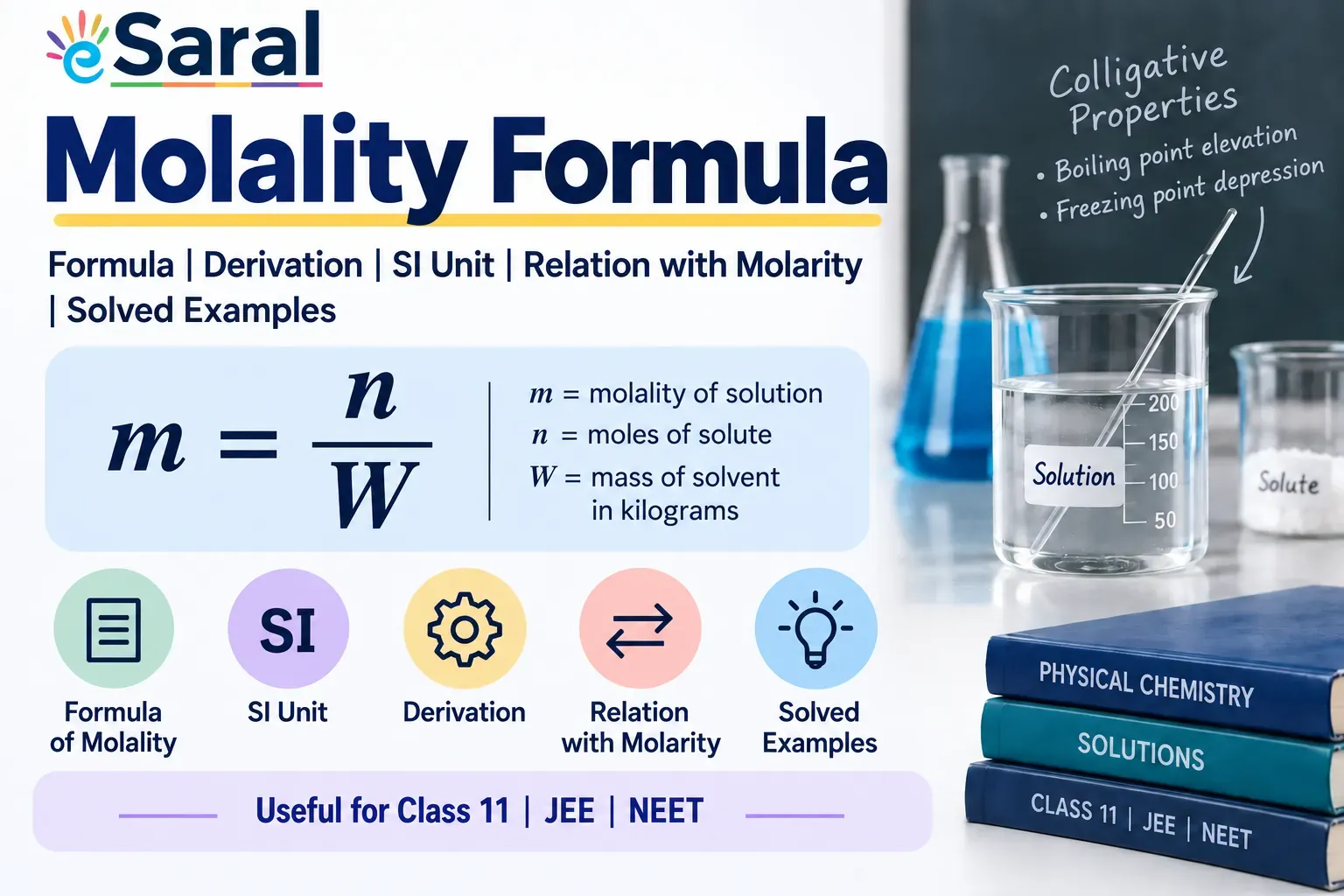
Molality Formula: Formula for Molality, Derivation & Solved Examples
Molality formula is $m = \dfrac{n}{W}$. Learn the formula of molality, its SI unit, derivation, relation with molarity, and solved examples for Class 11, JEE and NEET.
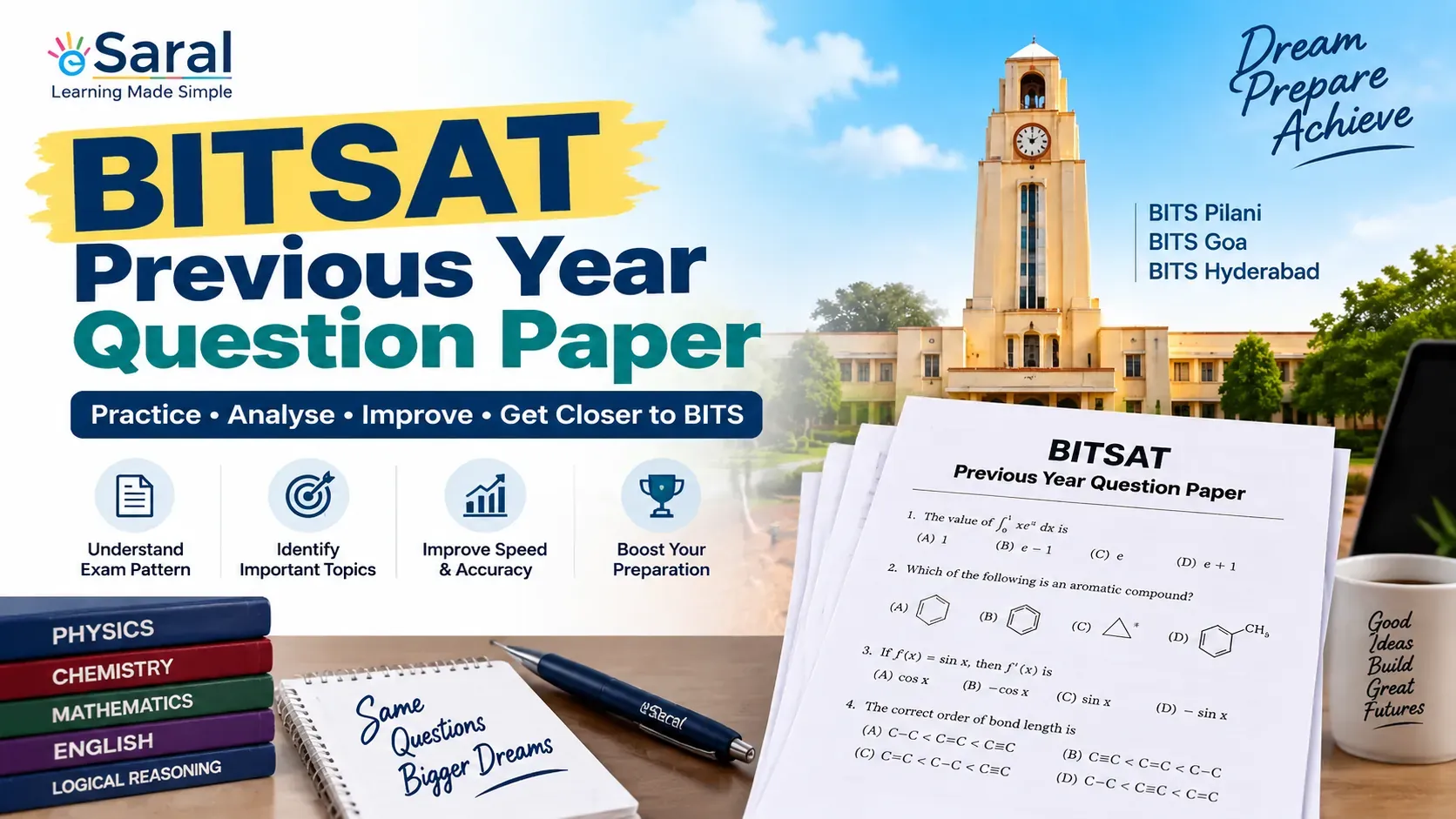
BITSAT Previous Year Question Paper PDF
Download BITSAT previous year question papers PDF. Get year-wise BITSAT PYQs, memory-based papers, exam pattern, and preparation tips to improve your BITSAT preparation.

Teachers’ Day 2026 at eSaral Gurukul: Celebrating the Bond Between Students, Teachers & Mentors
See how Teachers’ Day 2026 was celebrated at eSaral Gurukul, reflecting the bond among students, teachers, and mentors, and the role of guidance beyond academics.

JEE Advanced Attempts: Can You Give It a Third Time? Rules Explained
JEE Advanced attempts: current rule is 2 consecutive years only: full eligibility criteria, the 2025 third-attempt controversy, and the latest 2026 petition news.

Best JEE Preparation App
Best JEE preparation app for Main & Advanced: AI mock tests, live doubt-solving, thousands of practice questions. JEE preparation app for droppers & Class 11-12.
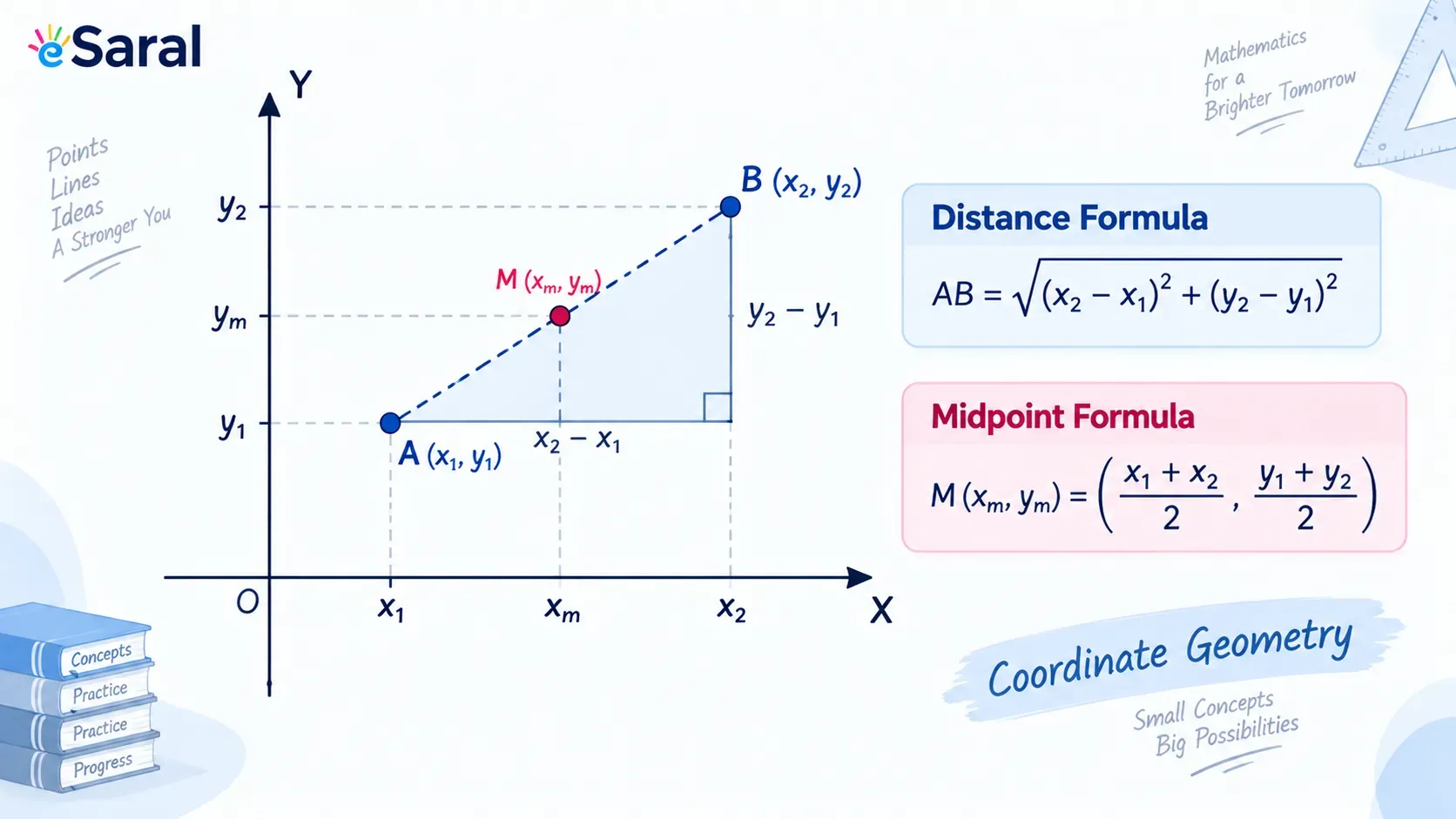
Coordinate Geometry Class 10: Formulas, Notes & Solved Examples
Coordinate geometry class 10: complete CBSE formulas — distance, section, midpoint and area of triangle — with derivation, notes and solved examples.

How to make Notes For JEE Smart Notes Strategy of an AIR 41
Learn how to make notes for JEE the way toppers do — indexing, shorthand, and smart short notes for JEE that cut revision time to just 5–7 days.
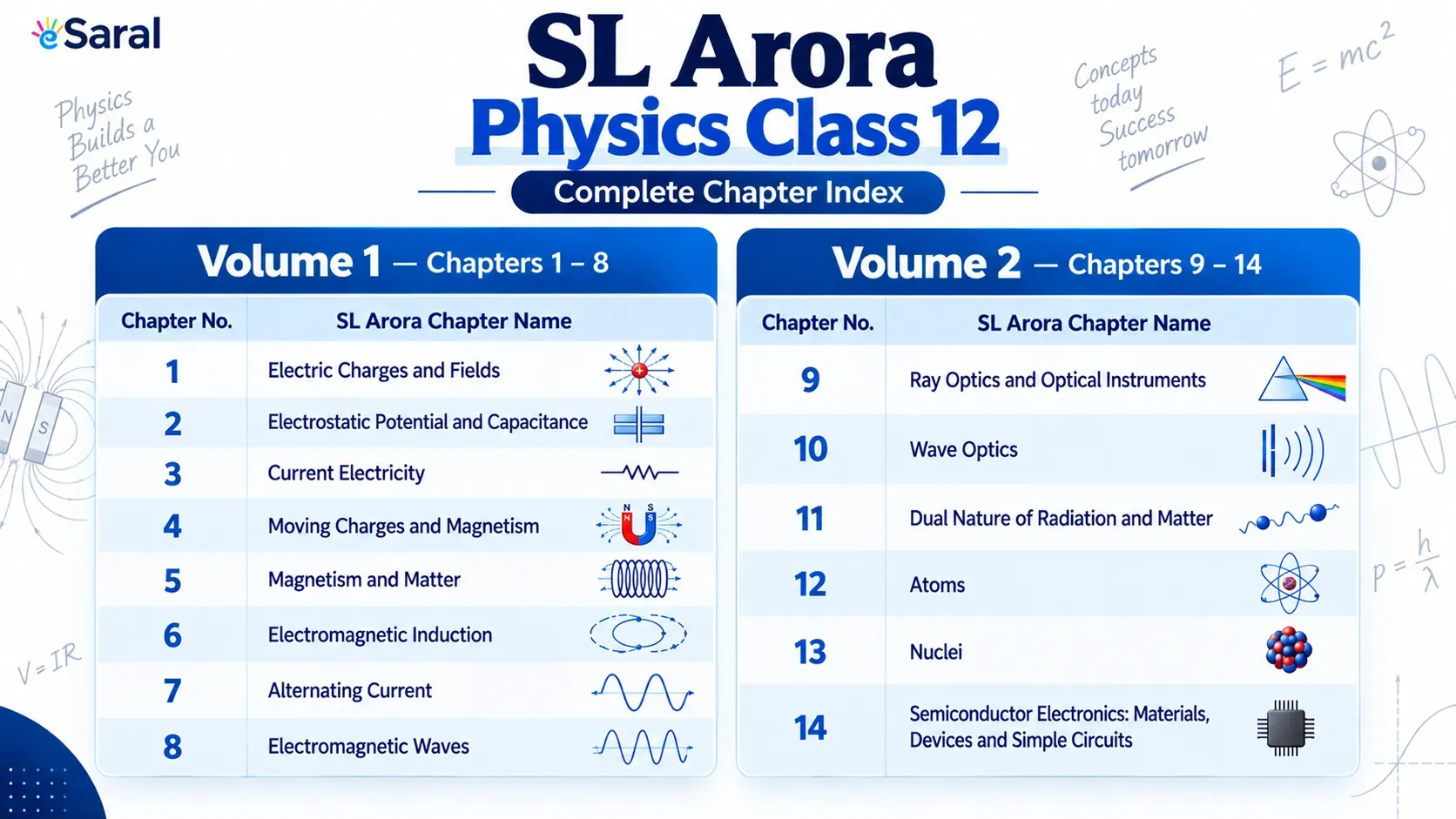
SL Arora Physics Class 12 Index – Chapter List for Volume 1 & 2
SL Arora Physics Class 12 index — complete chapter list for Volume 1 & 2, mapped to NCERT solutions for board, JEE Main, and NEET preparation.