
Motion in a Plane Class 11 Notes | Projectile Motion | IIT JEE | NEET
eSaral › Class 11› Motion in a Plane Class 11 Notes

🚀 Checkout eSaral Courses
Introduction
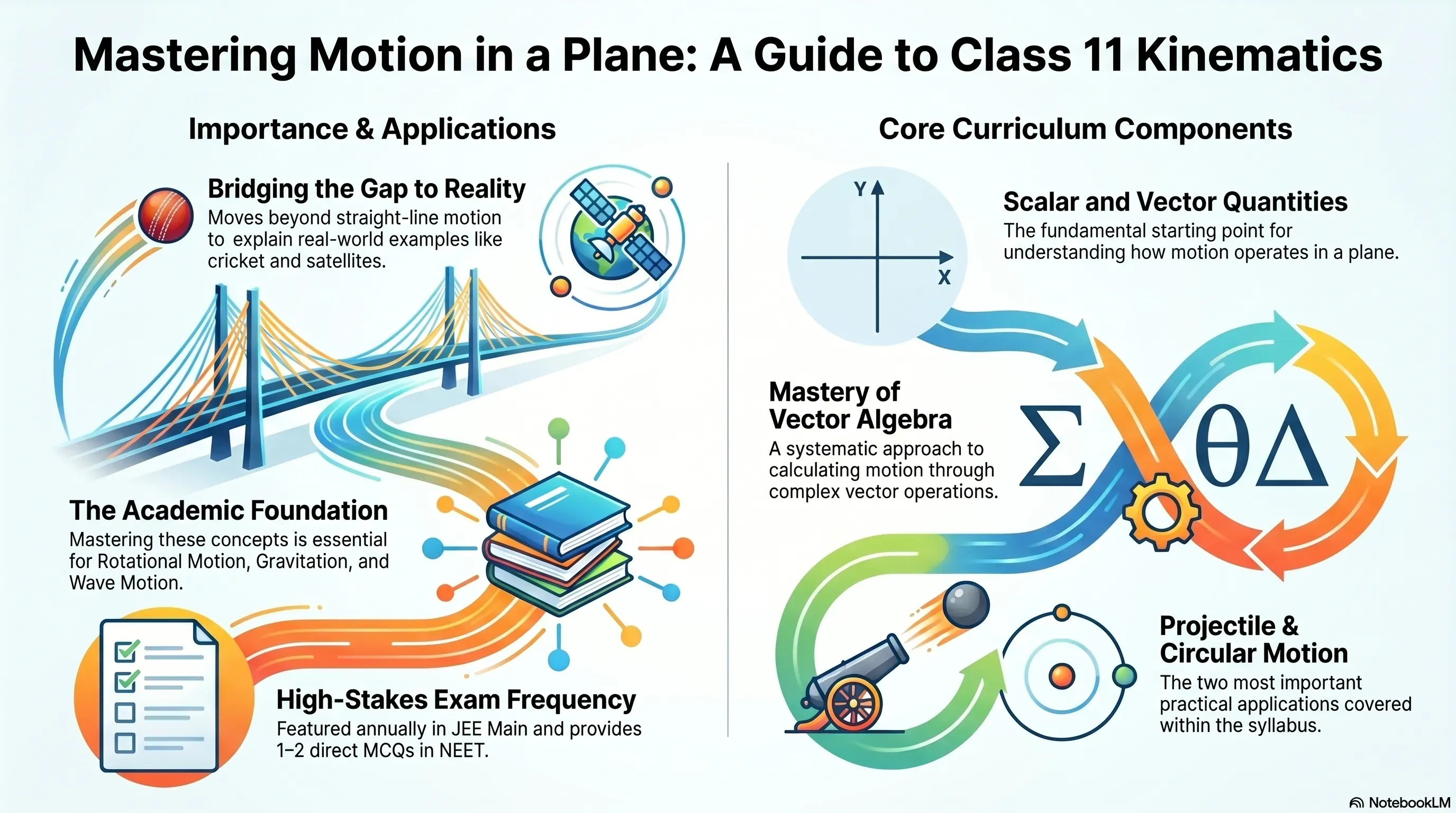
Chapter 4 of Class 11 Physics (NCERT) — Motion in a Plane — is one of the most formula-dense and concept-rich chapters in the entire syllabus. Students who master this chapter build a strong foundation for Rotational Motion, Gravitation, and even Wave Motion in later chapters.
This chapter bridges the gap between one-dimensional kinematics (straight-line motion) and real-world two-dimensional motion — the kind you see when a cricket ball is hit for a six or when a satellite orbits the Earth. For JEE Main, questions from this chapter appear almost every year, and NEET consistently carries 1–2 MCQs directly from projectile motion and circular motion.
These class notes cover every concept systematically: starting from scalar and vector quantities, moving through vector algebra, and ending with the two most important applications — projectile motion and uniform circular motion. For step-by-step solved examples, also refer to the NCERT Solutions for Class 11 Physics.
India's Best Exam Preparation for Class 11th - Download Now
Motion in a Plane Class 11 Notes
India's Best Exam Preparation for Class 11th - Download Now
India's Best Exam Preparation for Class 11th - Download Now
India's Best Exam Preparation for Class 11th - Download Now
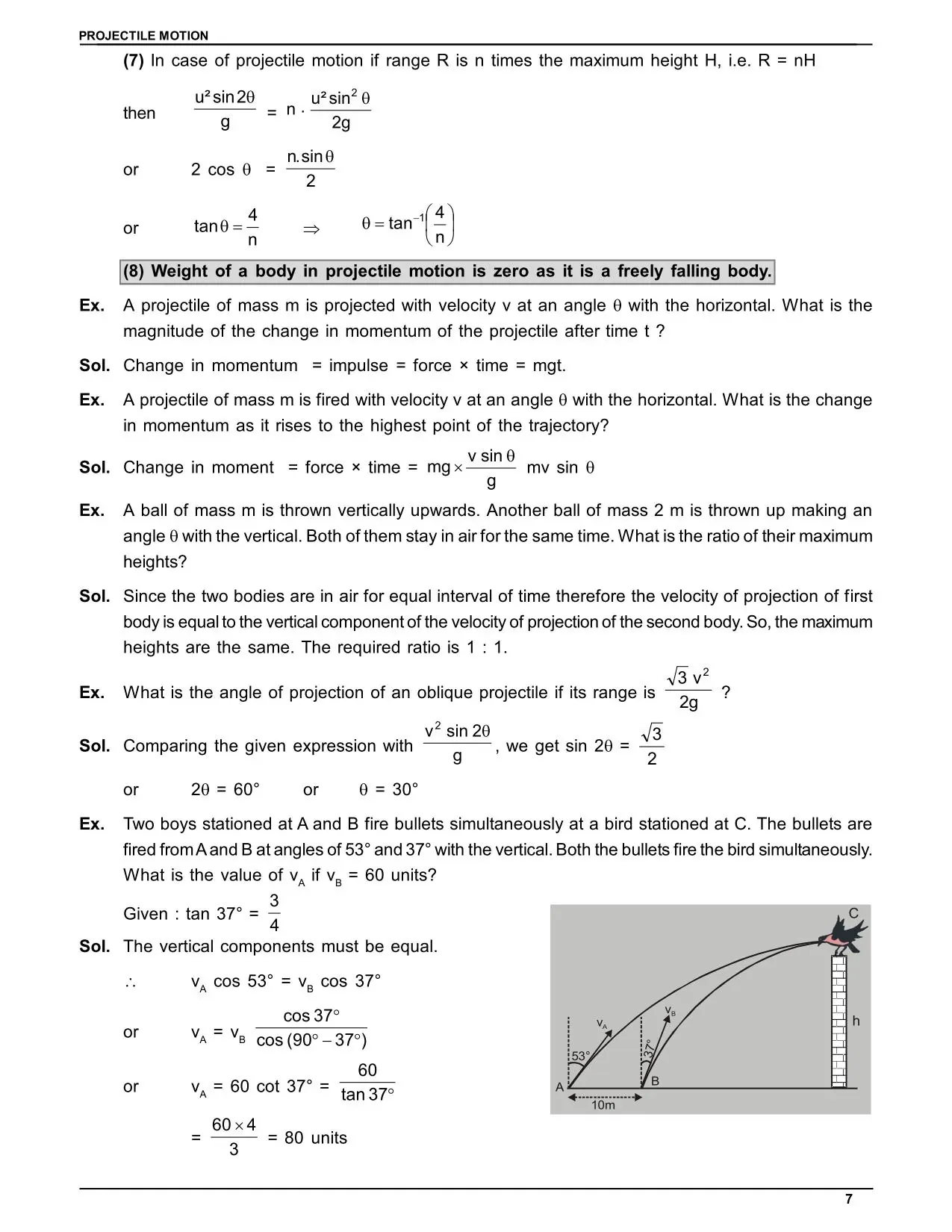
India's Best Exam Preparation for Class 11th - Download Now
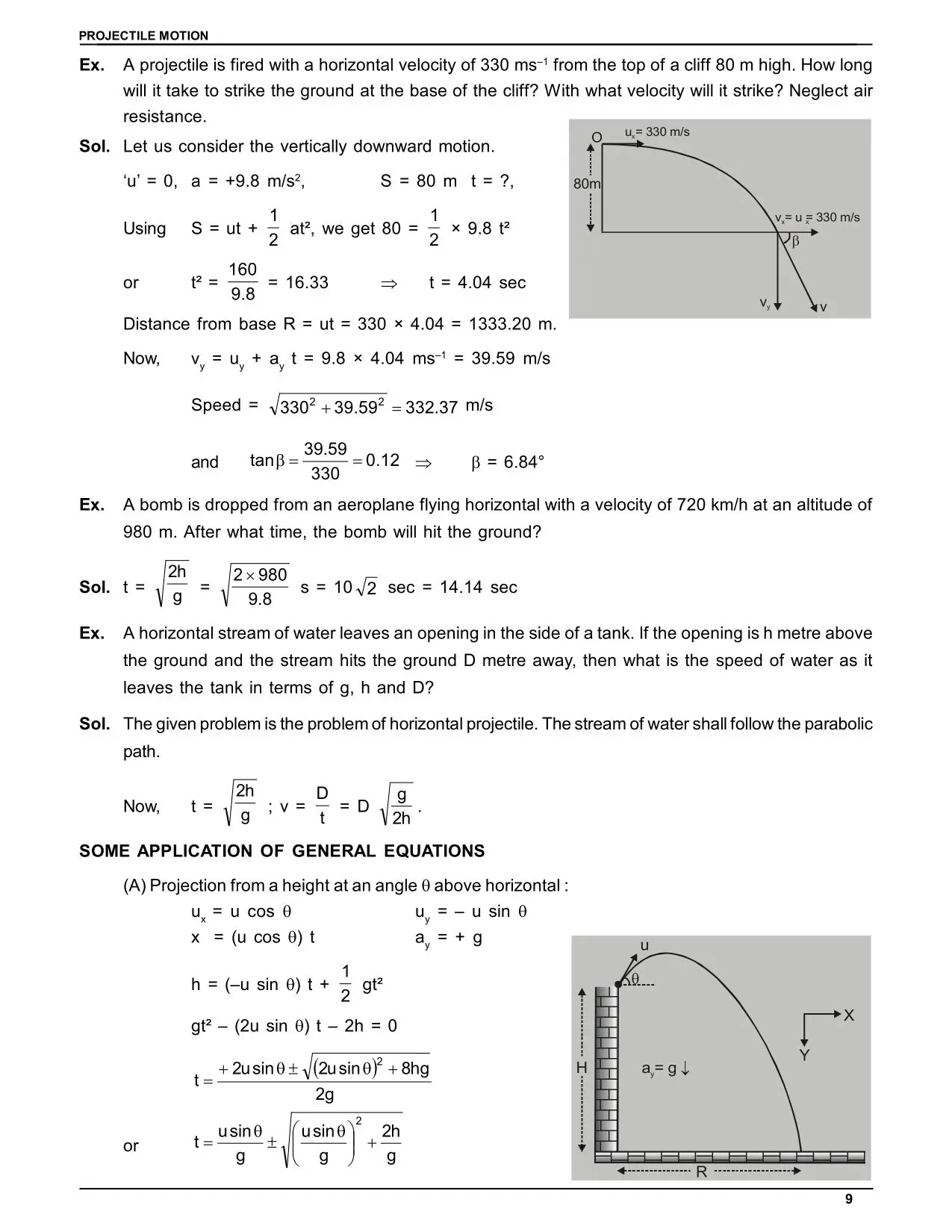
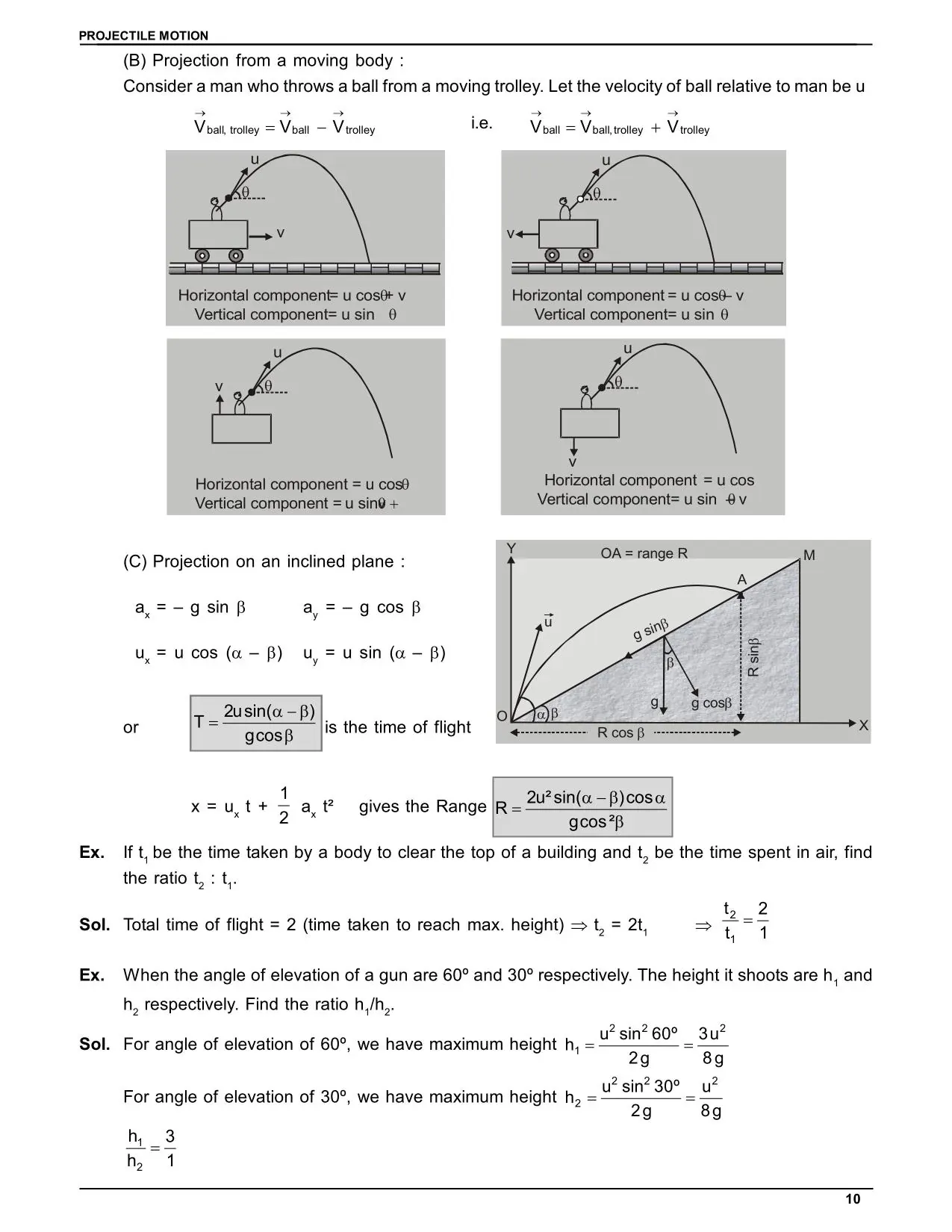
India's Best Exam Preparation for Class 11th - Download Now
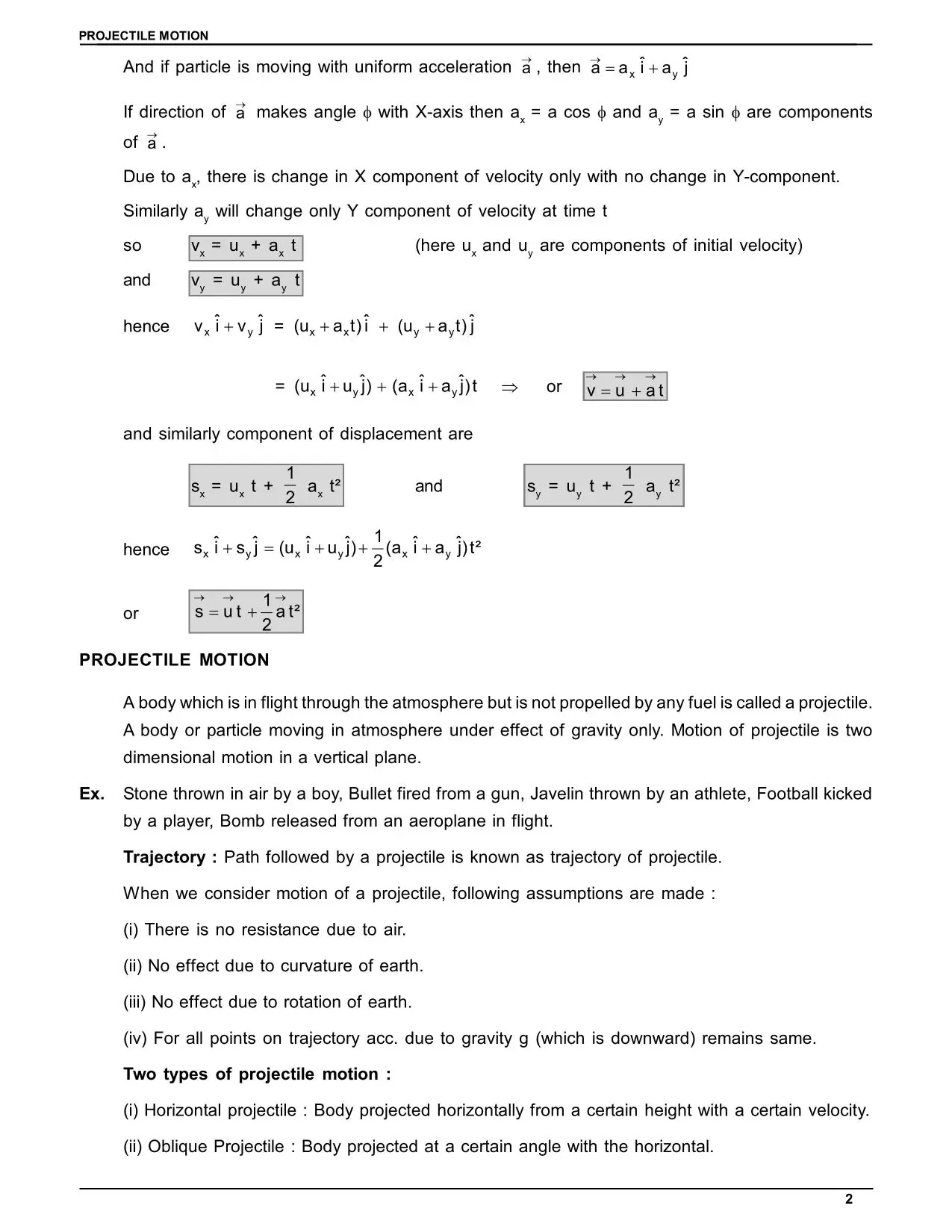
For a concept-first explanation of how scalar and vector quantities become separate x- and y-component equations, read our guide to vector-based two dimensional motion.
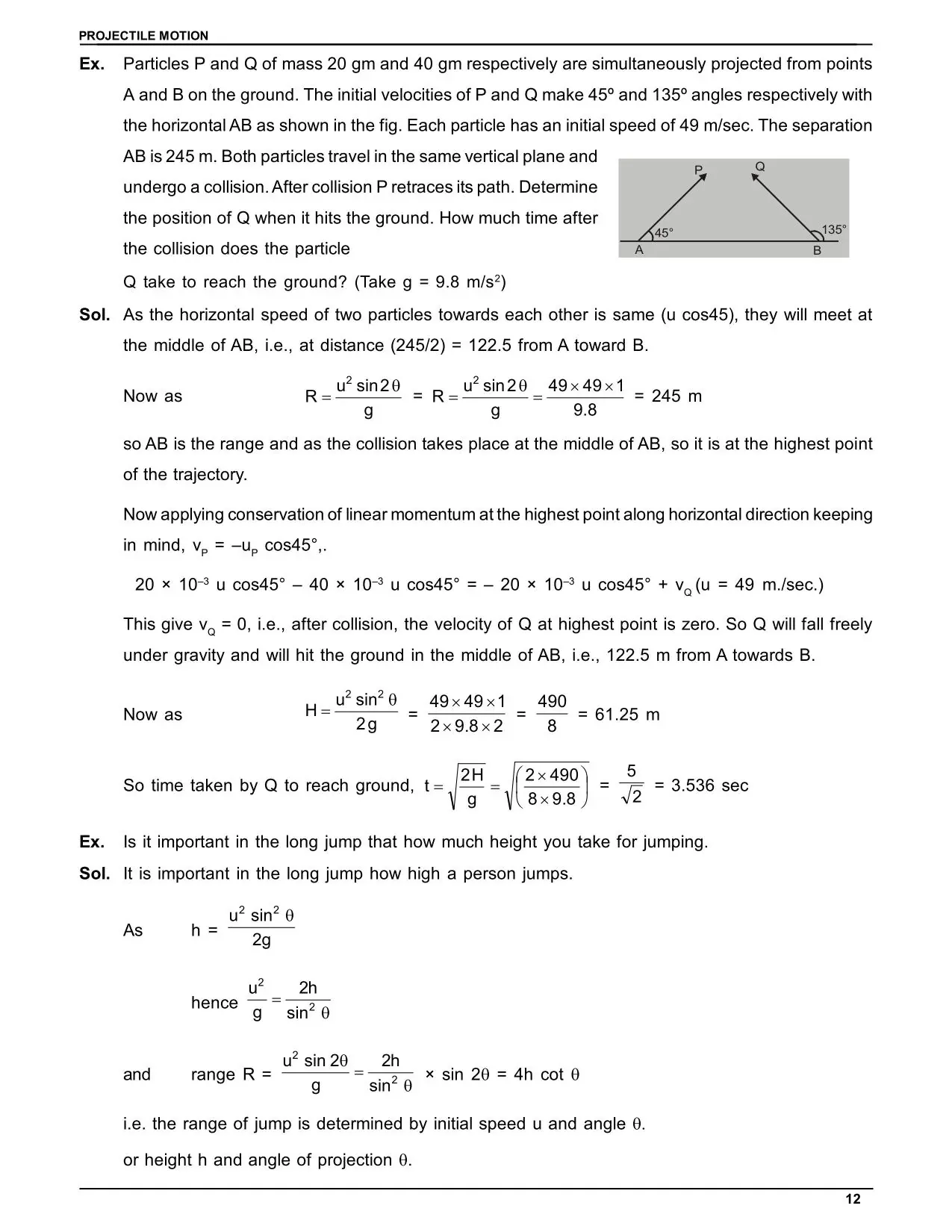
Frequently Asked Questions
What is the formula for range in projectile motion?
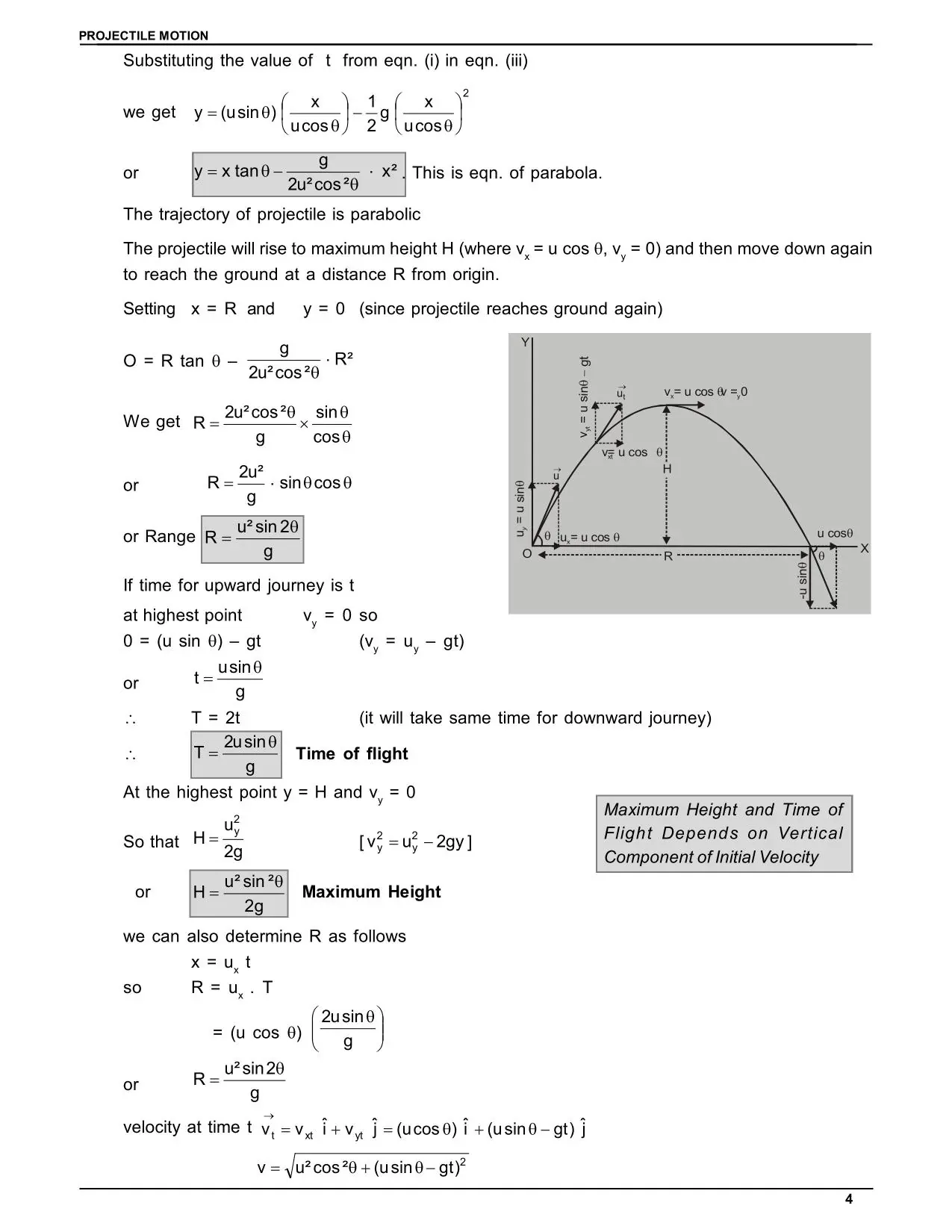
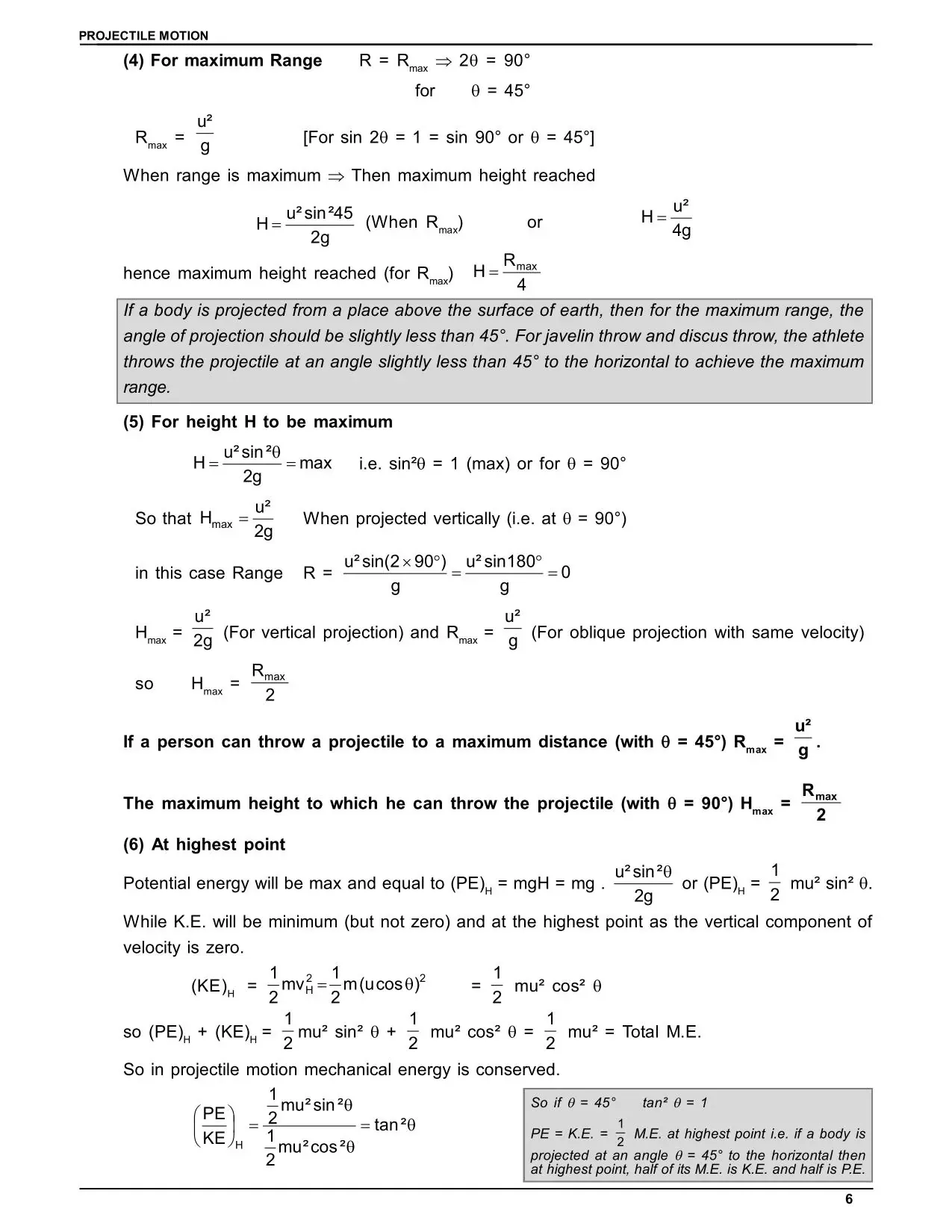
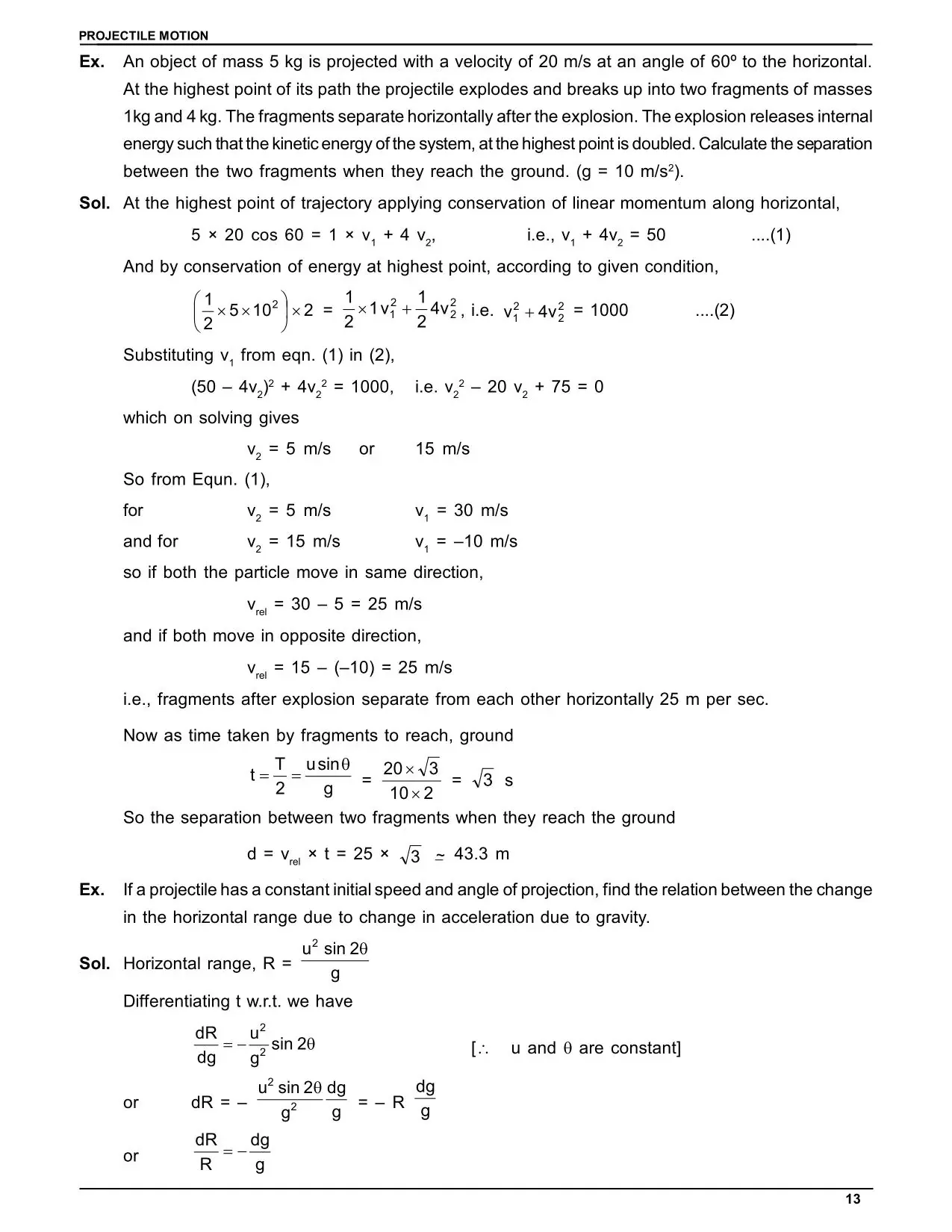
The range of a projectile is R = u² sin2θ / g, where u is the initial speed, θ is the launch angle, and g is acceleration due to gravity (9.8 m/s²). Maximum range occurs at θ = 45°, giving R_max = u²/g. Complementary angles like 30° and 60° always produce the same range.
What is the difference between scalar and vector quantities?
A scalar has only magnitude — examples include speed, mass, and temperature. A vector has both magnitude and direction — examples include velocity, displacement, and force. In Class 11, understanding this difference is essential before attempting any problem involving two-dimensional motion.
Why is the path of a projectile a parabola?
The horizontal motion of a projectile is uniform (constant velocity), while the vertical motion is uniformly accelerated (under gravity). When you combine x = ucosθ · t and y = usinθ · t − ½gt², and eliminate t, you get y = x tanθ − gx²/(2u²cos²θ) — which is the equation of a parabola.
What is centripetal acceleration and why does it arise in circular motion?
Centripetal acceleration arises in uniform circular motion because even though speed is constant, the direction of velocity continuously changes. This change in direction requires acceleration, which always points toward the centre of the circle. Its magnitude is a = v²/r, where v is speed and r is the radius of the circular path.
How many questions come from Motion in a Plane in JEE Main?
Based on NTA's official JEE Main papers from 2019 to 2024, this chapter typically contributes 1 to 2 questions per paper. The most common topics tested are projectile motion (range, height, time of flight) and centripetal acceleration in uniform circular motion. Horizontal projection is another frequently appearing subtopic.