
Ray Optics and Optical Instruments Class 12- IIT JEE | NEET
.webp?2026-09-24T07%3A46%3A20.077Z)
eSaral › JEE › JEE Main ›Ray Optics and Optical Instruments Class 12- IIT JEE | NEET

🚀 Checkout eSaral Courses
What Is Ray Optics? Chapter Overview
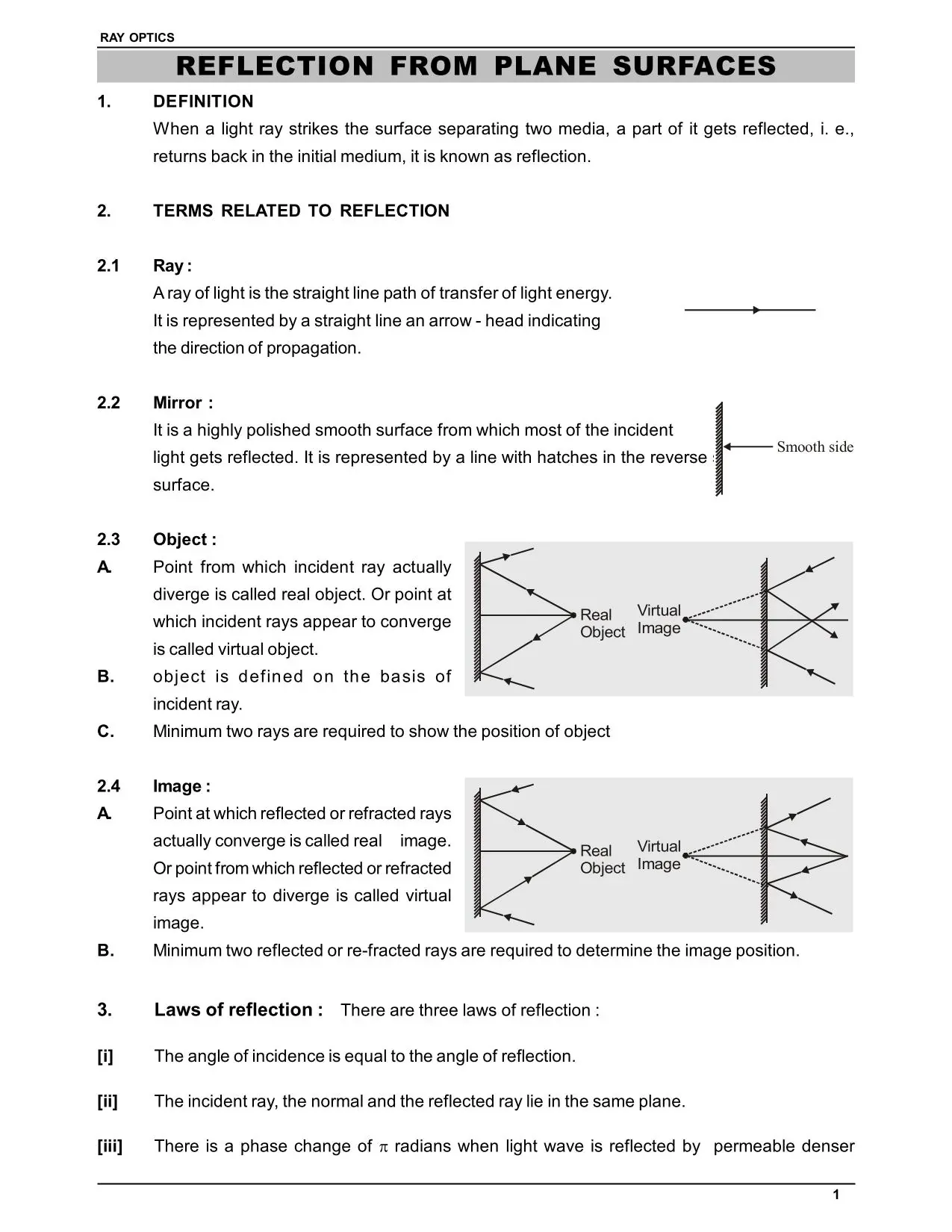
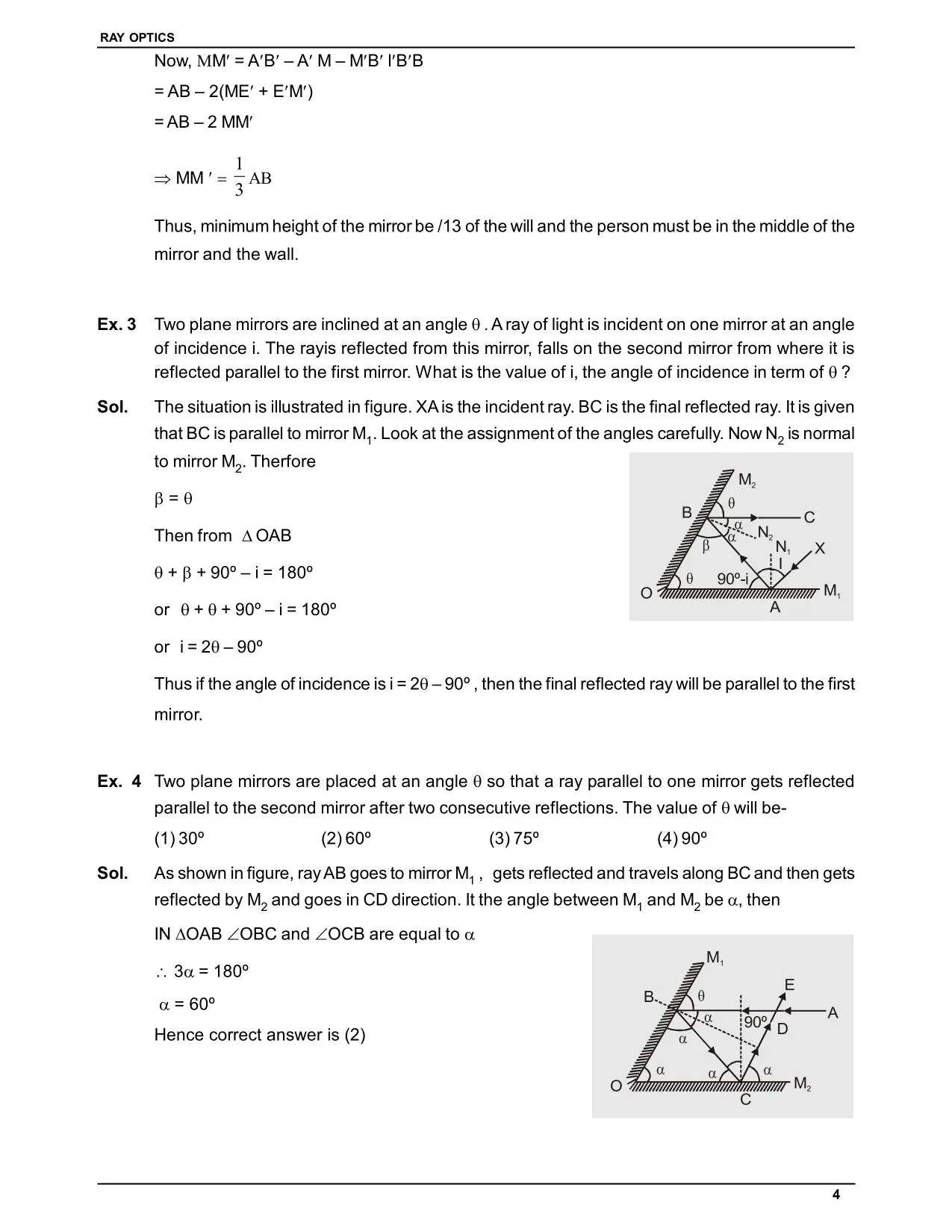
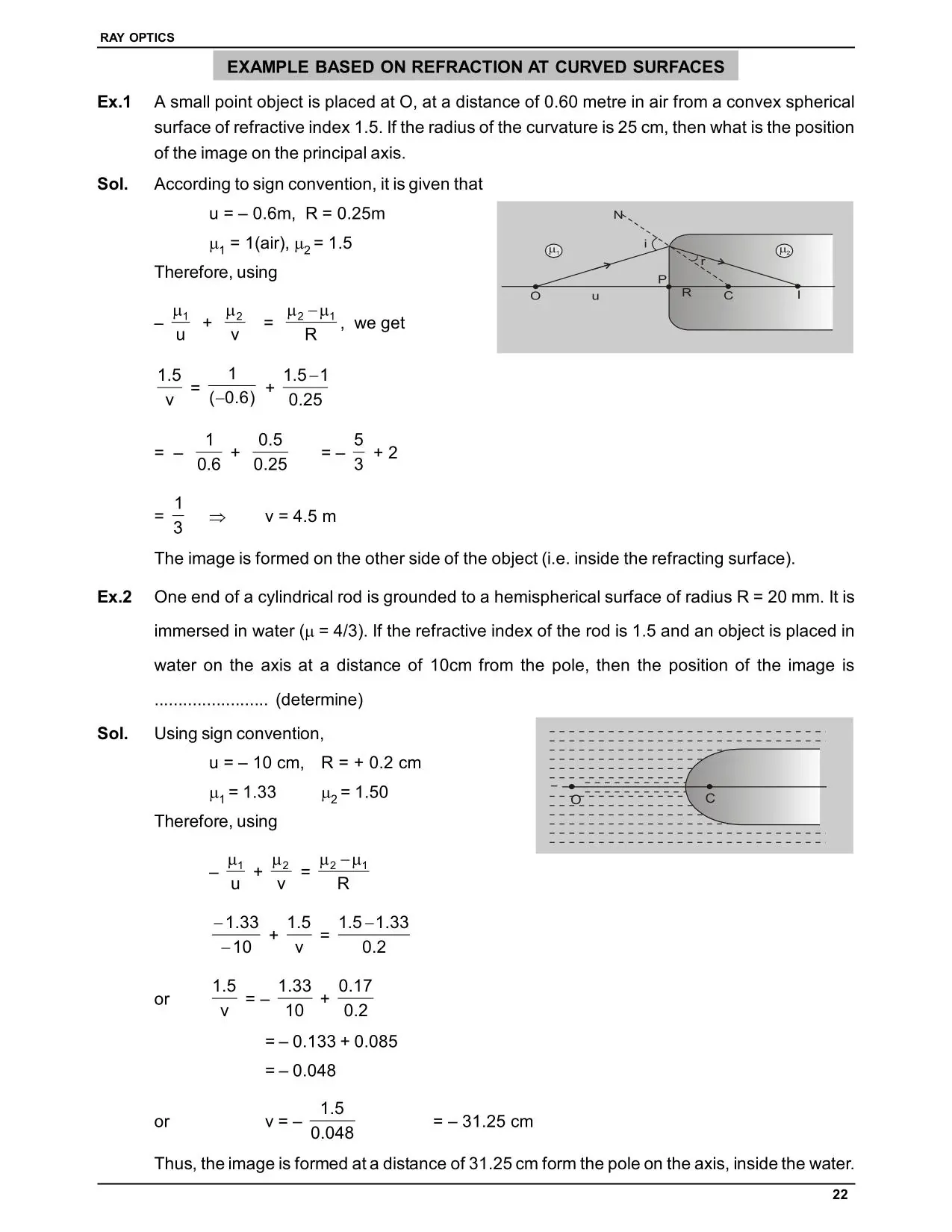
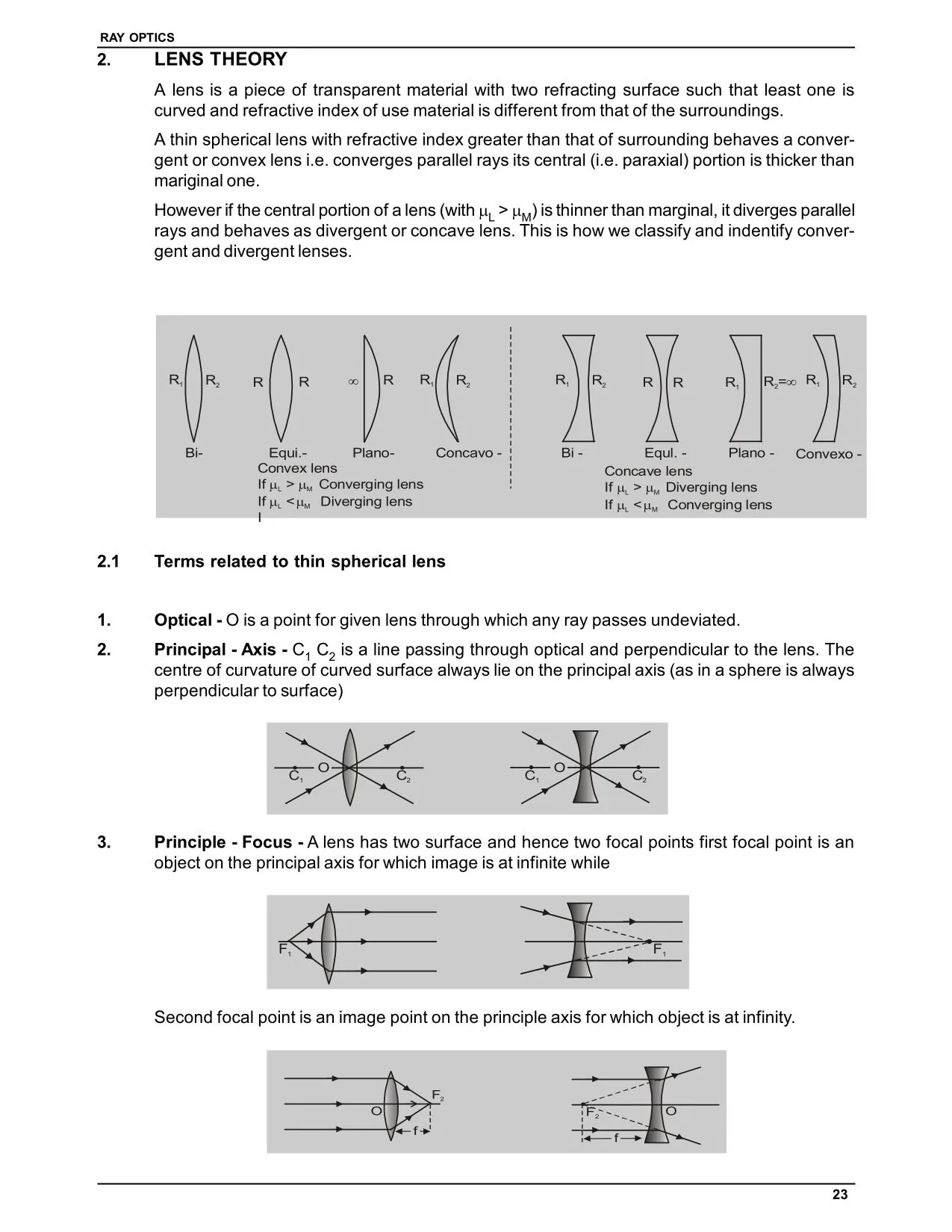
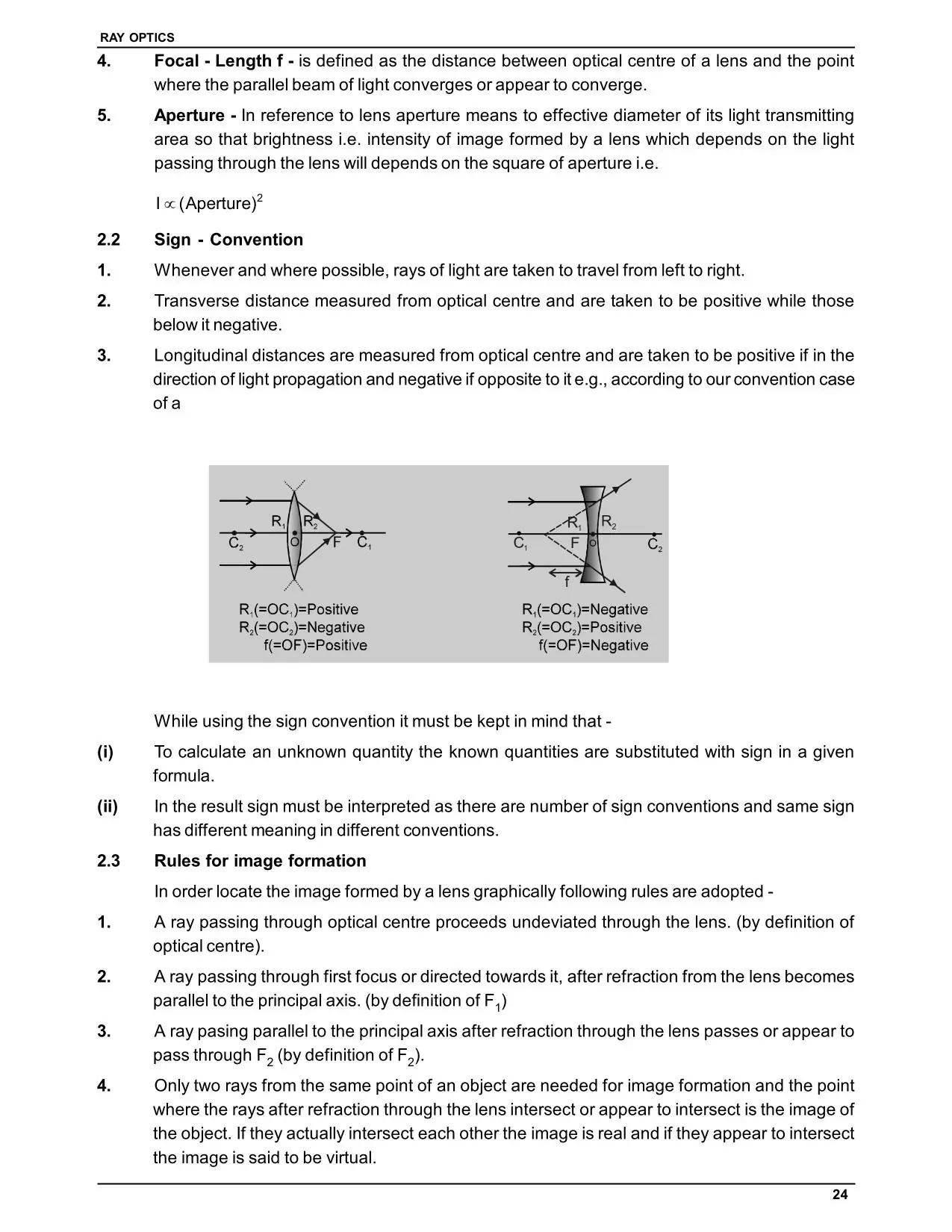
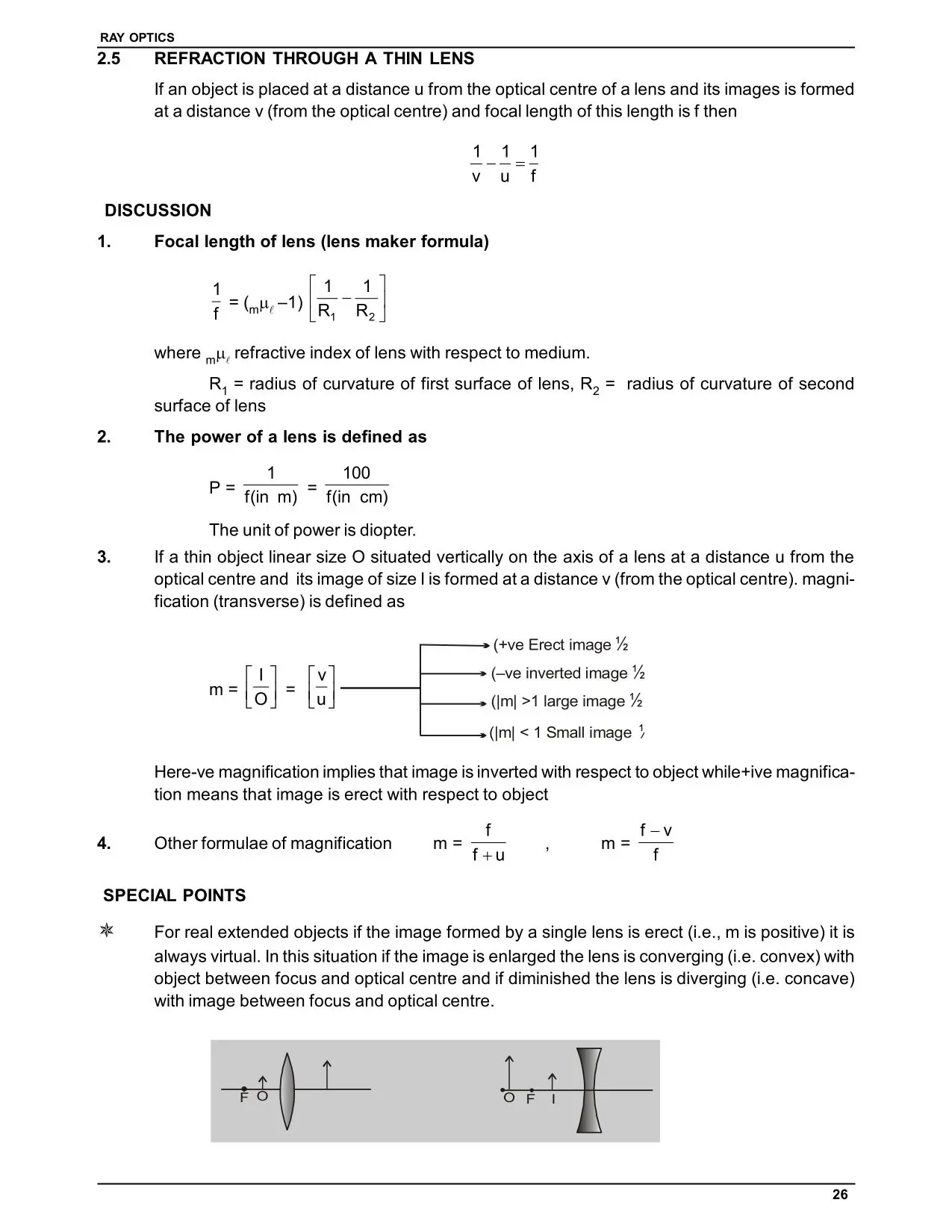
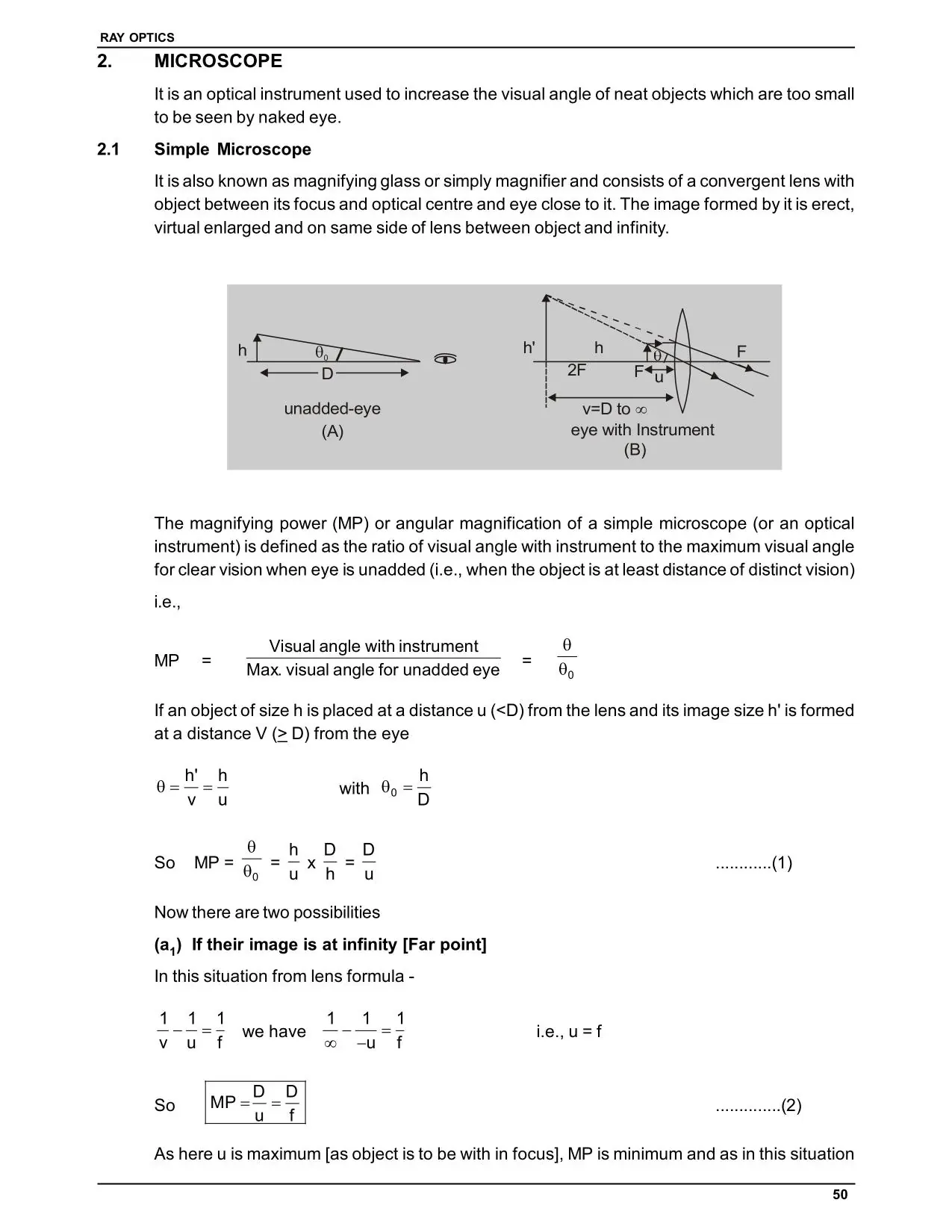
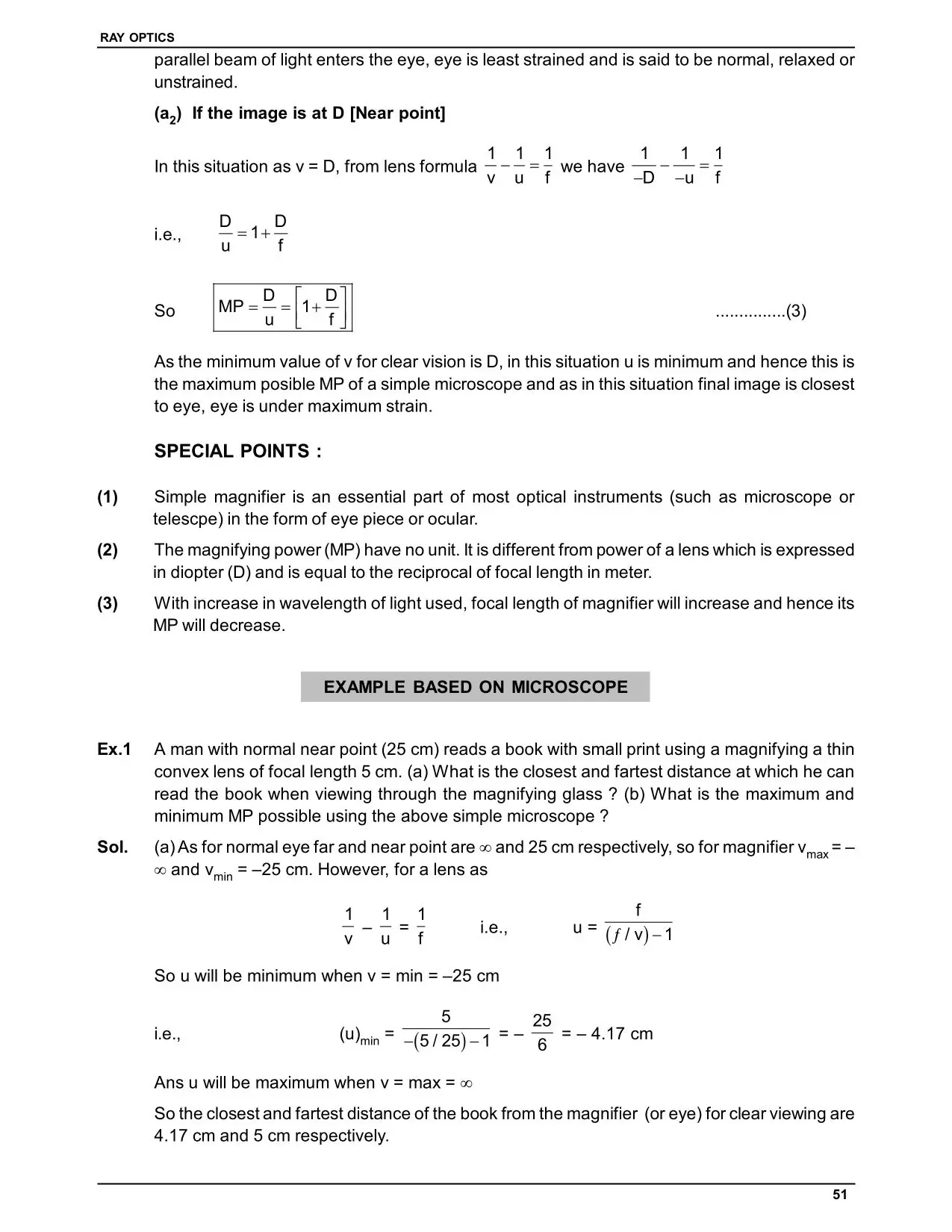
Ray Optics treats light as travelling in straight lines called rays. It explains how light behaves when it hits a surface (reflection) or passes from one medium to another (refraction). This chapter also explains how the human eye forms images — and why it sometimes fails — and how we build instruments like telescopes and microscopes to extend our vision.
Why Is This Chapter Important for JEE, NEET, and Boards?
Ray Optics consistently ranks among the top-scoring chapters in competitive exams. Here is the typical weightage:
Exam | Average Questions from Ray Optics | Marks |
|---|---|---|
JEE Main | 3–4 questions | 12–16 marks |
NEET | 2–3 questions | 8–12 marks |
CBSE Boards | 8–10 marks | Direct formula and diagram application |
The chapter rewards students who understand why formulas work — not just students who memorise them. Sign conventions, ray diagram construction, and the ability to combine mirror and lens problems with other topics (like optics + electrokinetics) frequently appear in JEE Advanced.
💡 Expert Tip by Saransh Gupta Sir, IIT Bombay AIR-41: "In Ray Optics, the sign convention is everything. Get it wrong once and every formula gives the wrong answer. Fix the Cartesian sign convention in your mind before you touch a single formula. Distances measured in the direction of incident light are positive. Everything else follows from that."
India's Best Exam Preparation for Class 12th - Download Now
India's Best Exam Preparation for Class 12th - Download Now
India's Best Exam Preparation for Class 12th - Download Now
India's Best Exam Preparation for Class 12th - Download Now
India's Best Exam Preparation for Class 12th - Download Now
India's Best Exam Preparation for Class 12th - Download Now
India's Best Exam Preparation for Class 12th - Download Now
India's Best Exam Preparation for Class 12th - Download Now
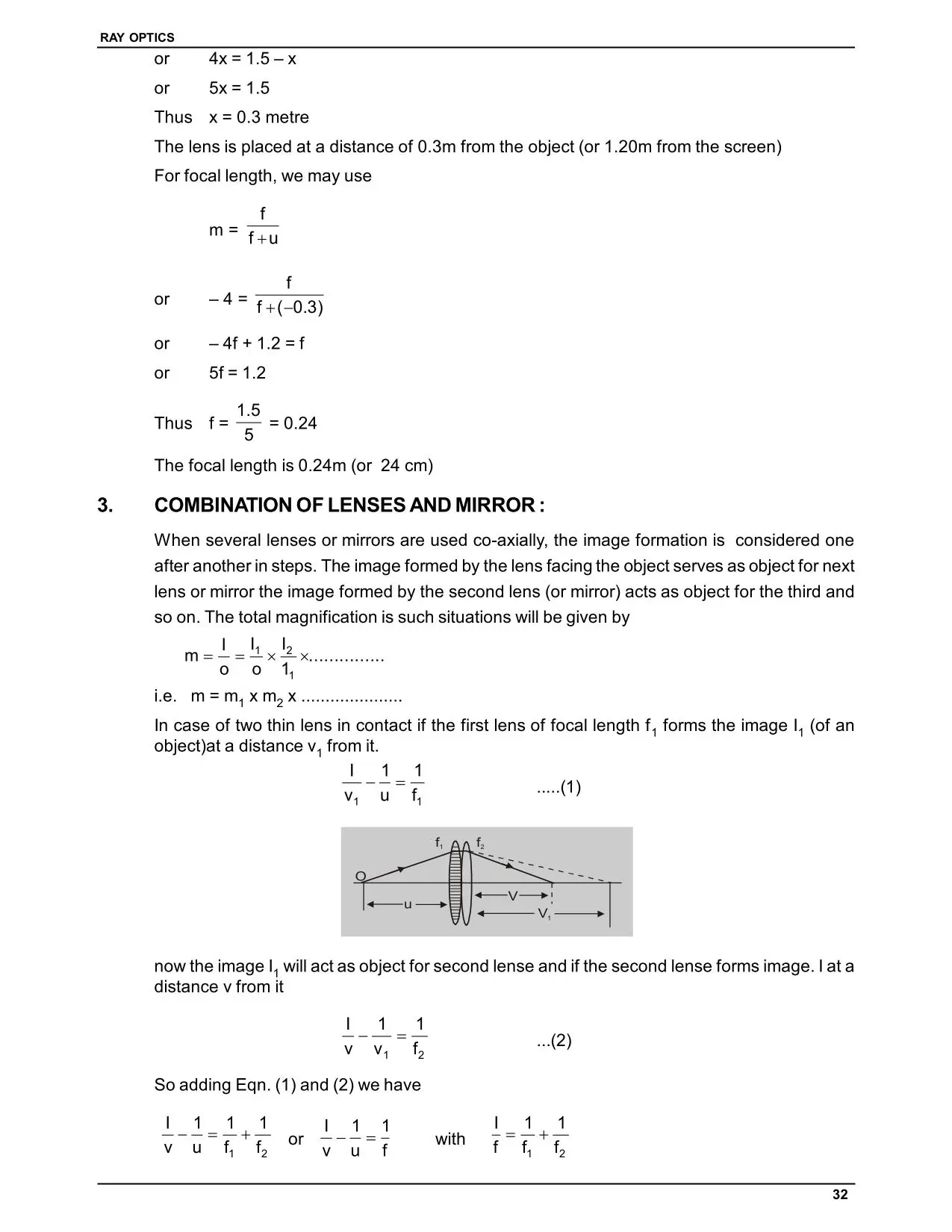
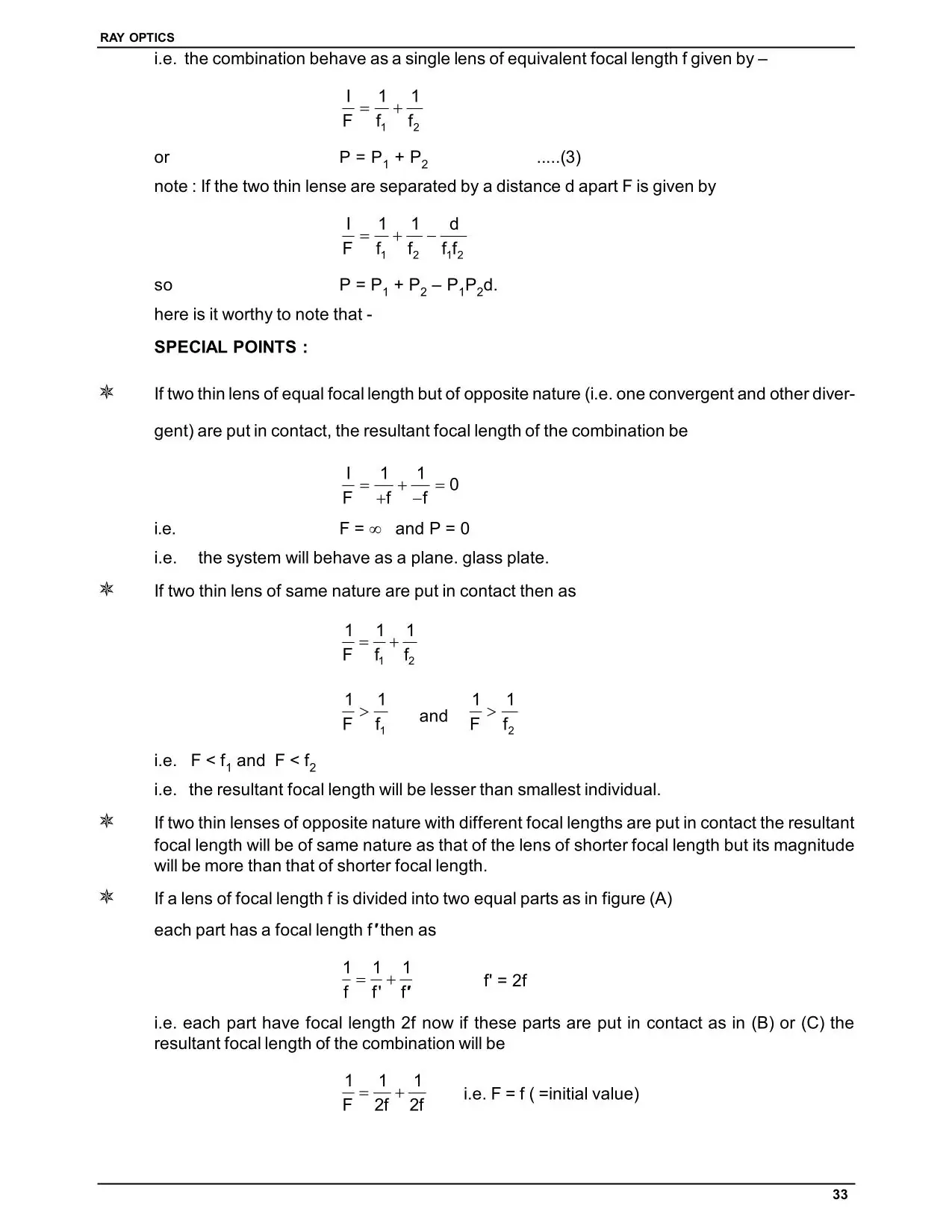
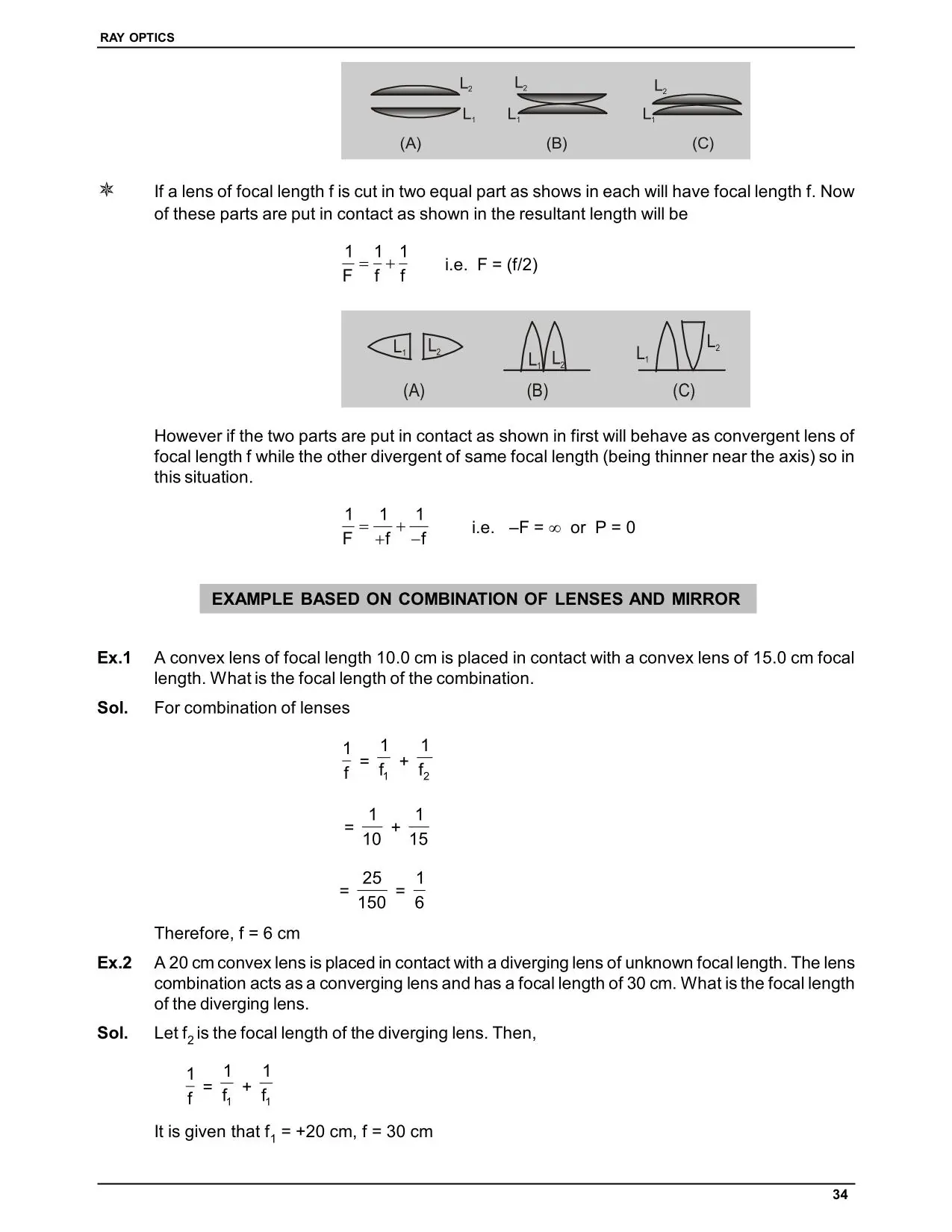
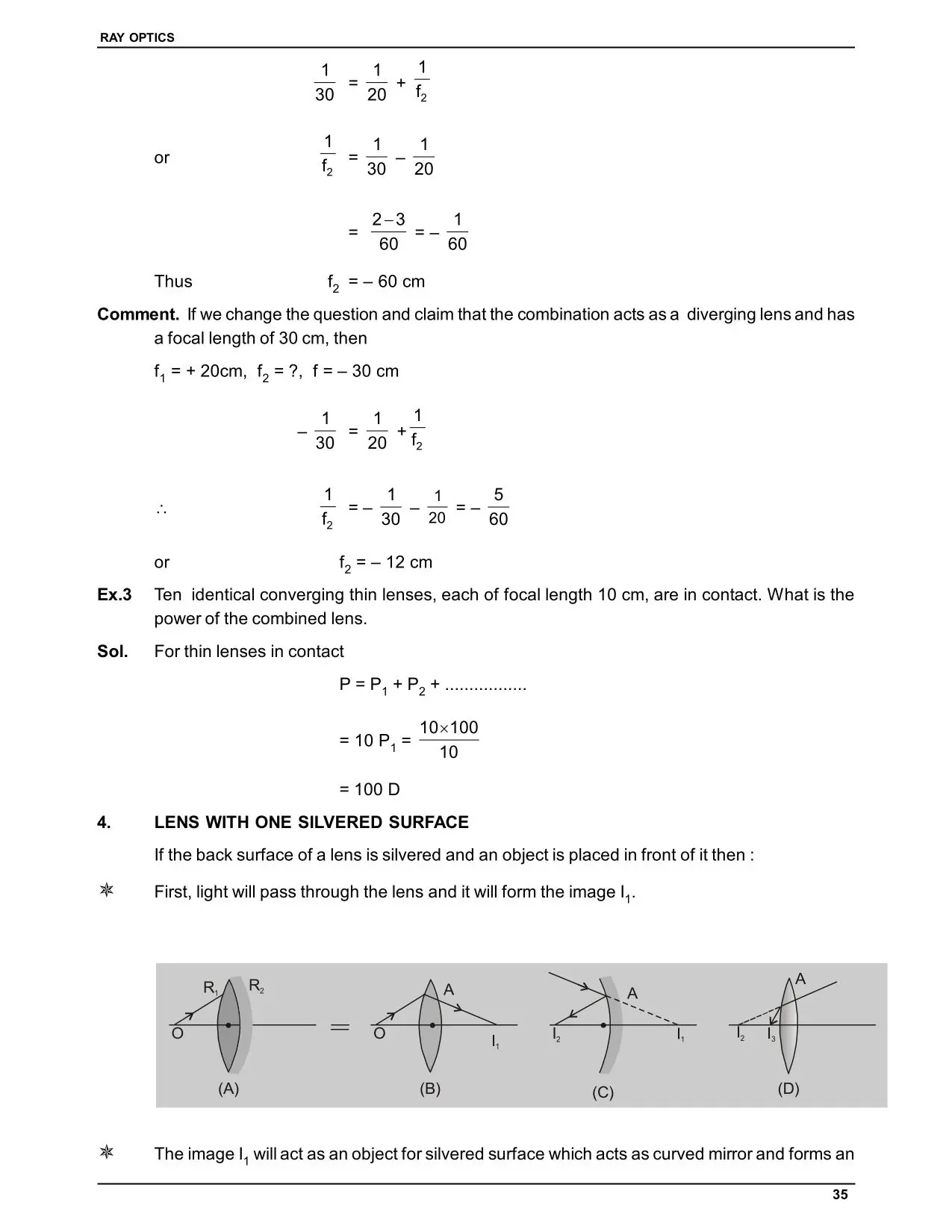
India's Best Exam Preparation for Class 12th - Download Now
India's Best Exam Preparation for Class 12th - Download Now
India's Best Exam Preparation for Class 12th - Download Now
India's Best Exam Preparation for Class 12th - Download Now
Important Formulas
Formula | Description |
|---|---|
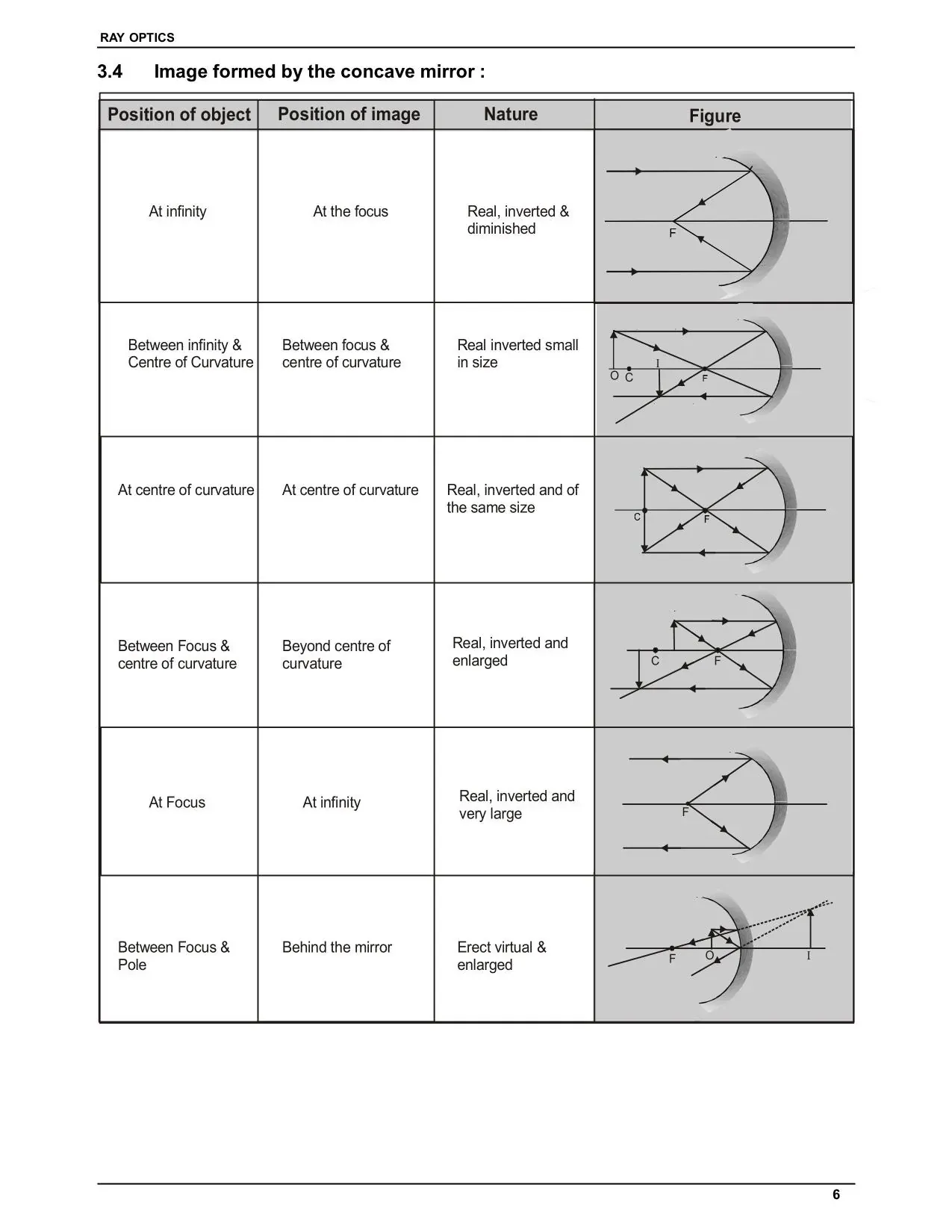
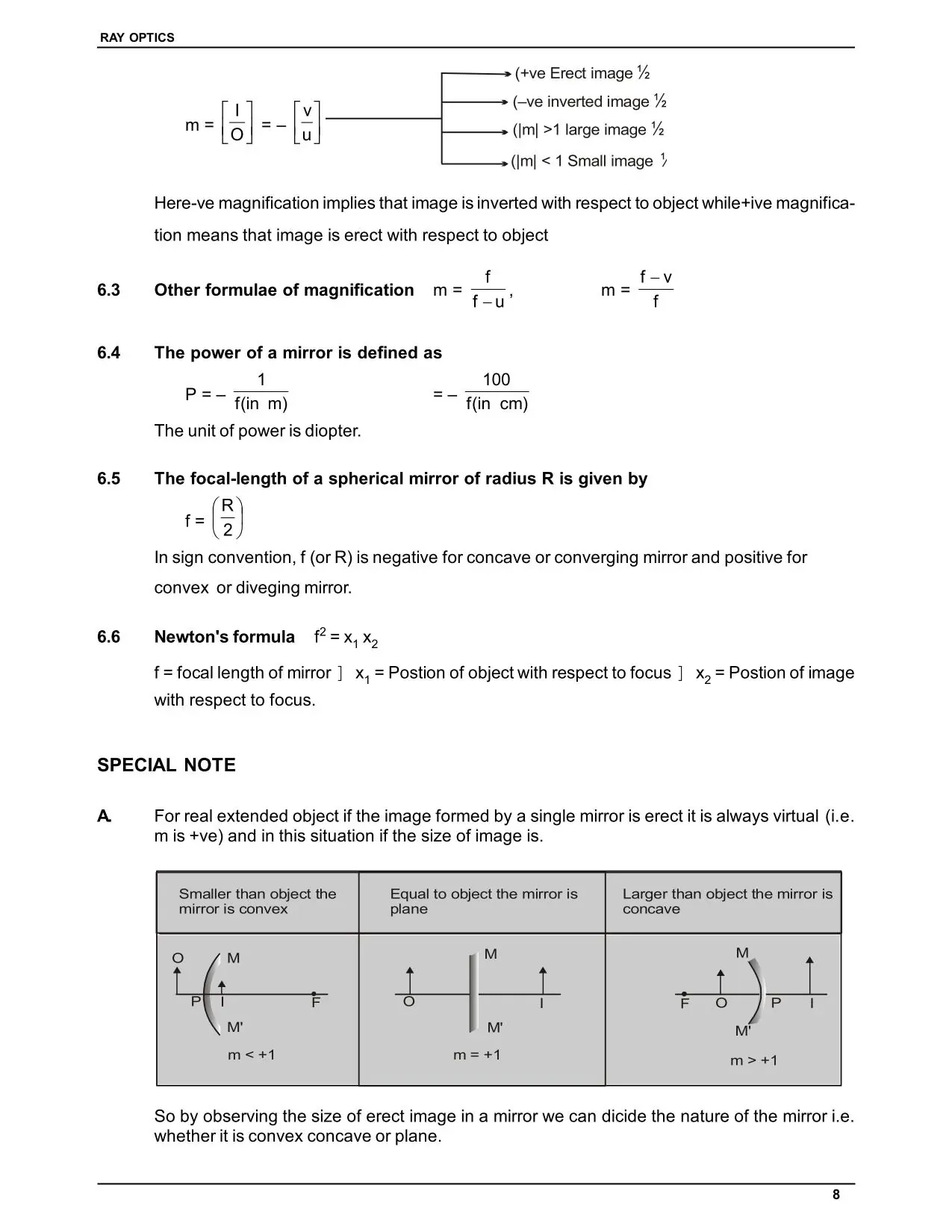
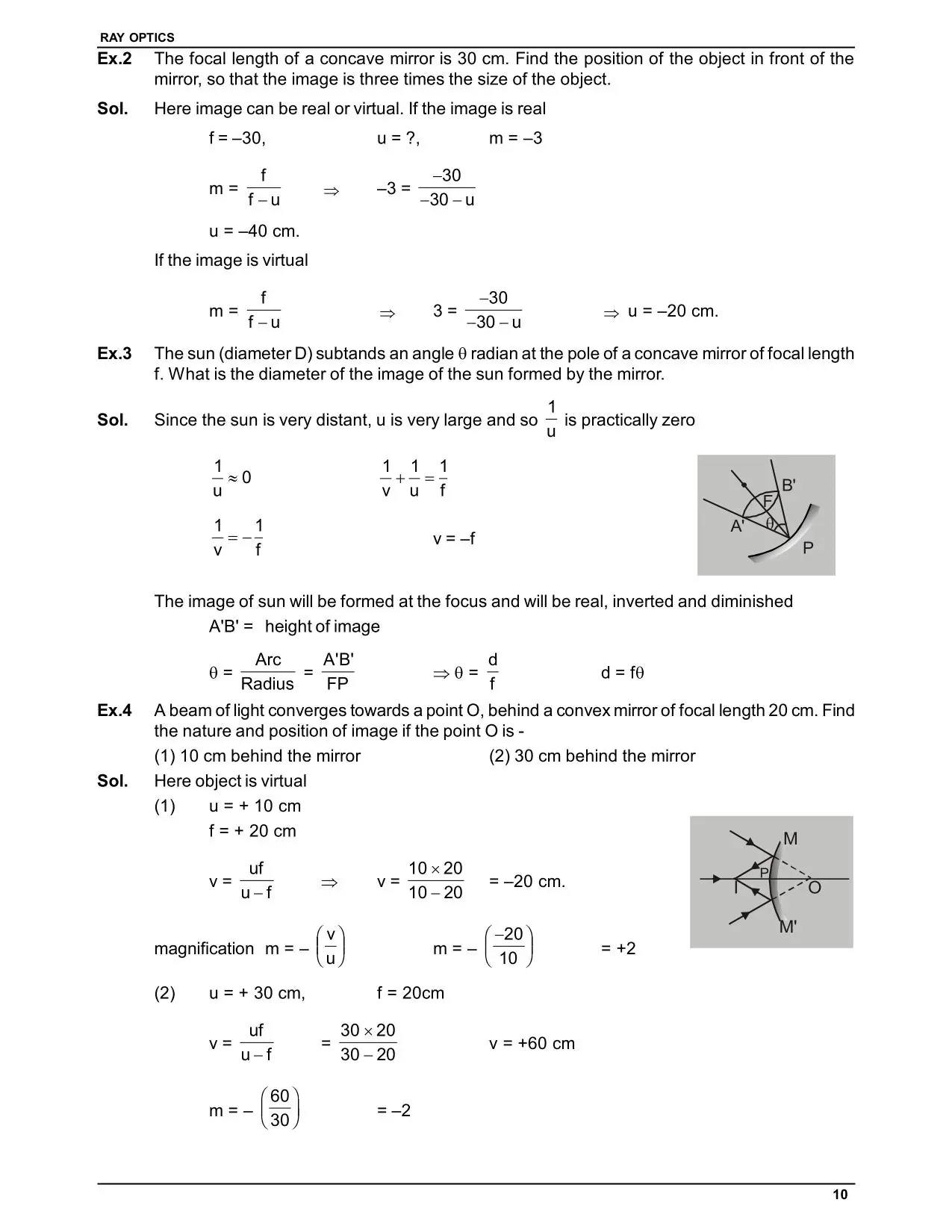
1/v + 1/u = 1/f | Mirror formula |
m = −v/u | Mirror magnification |
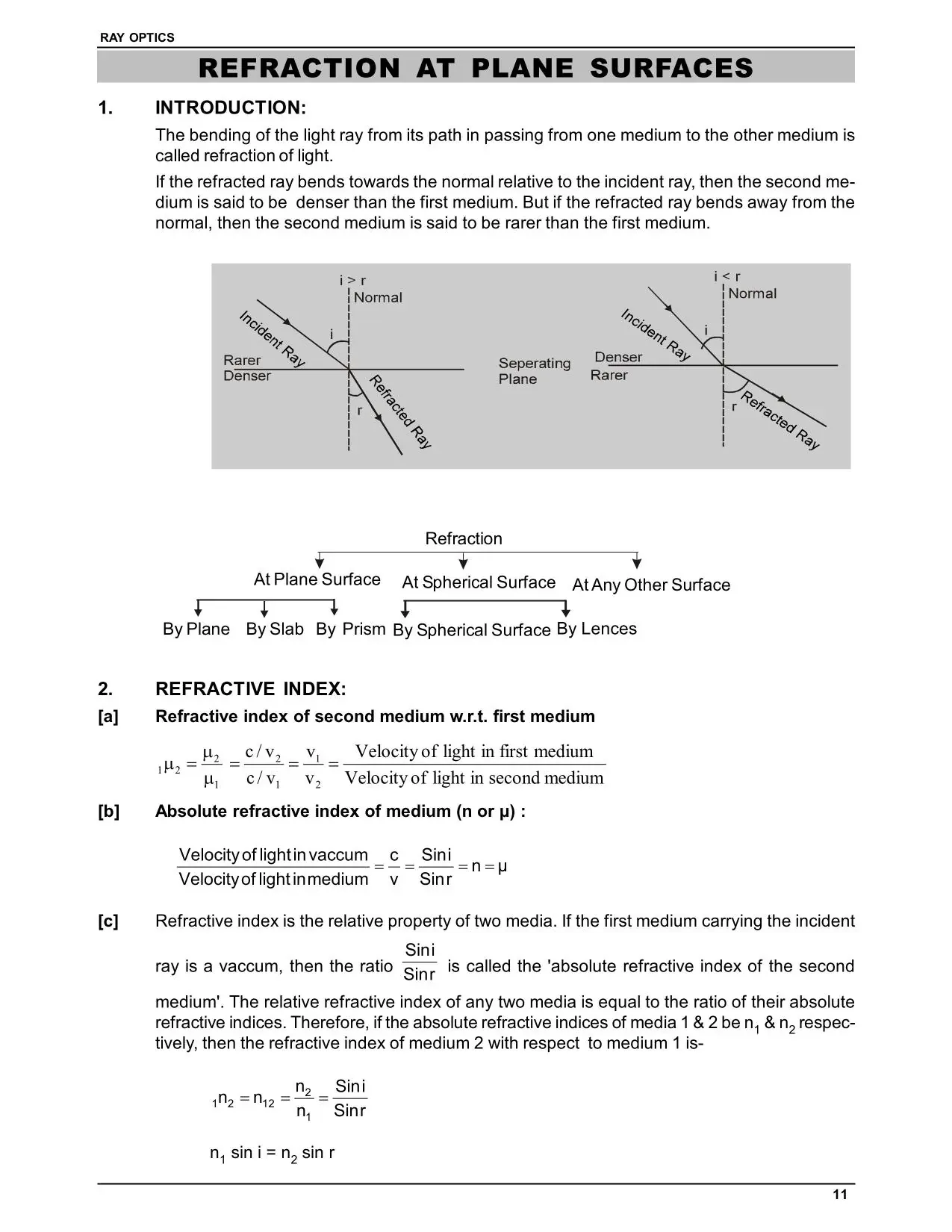
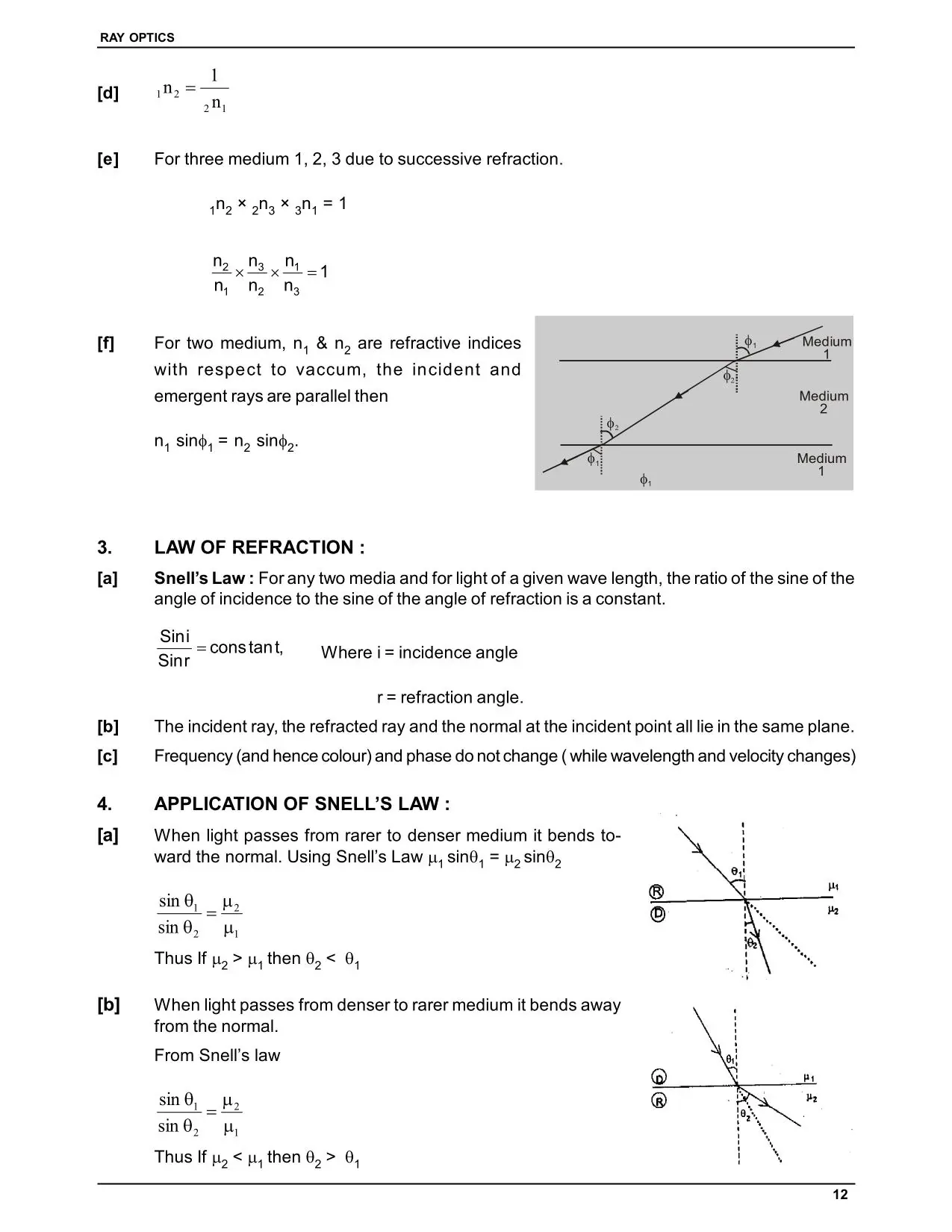
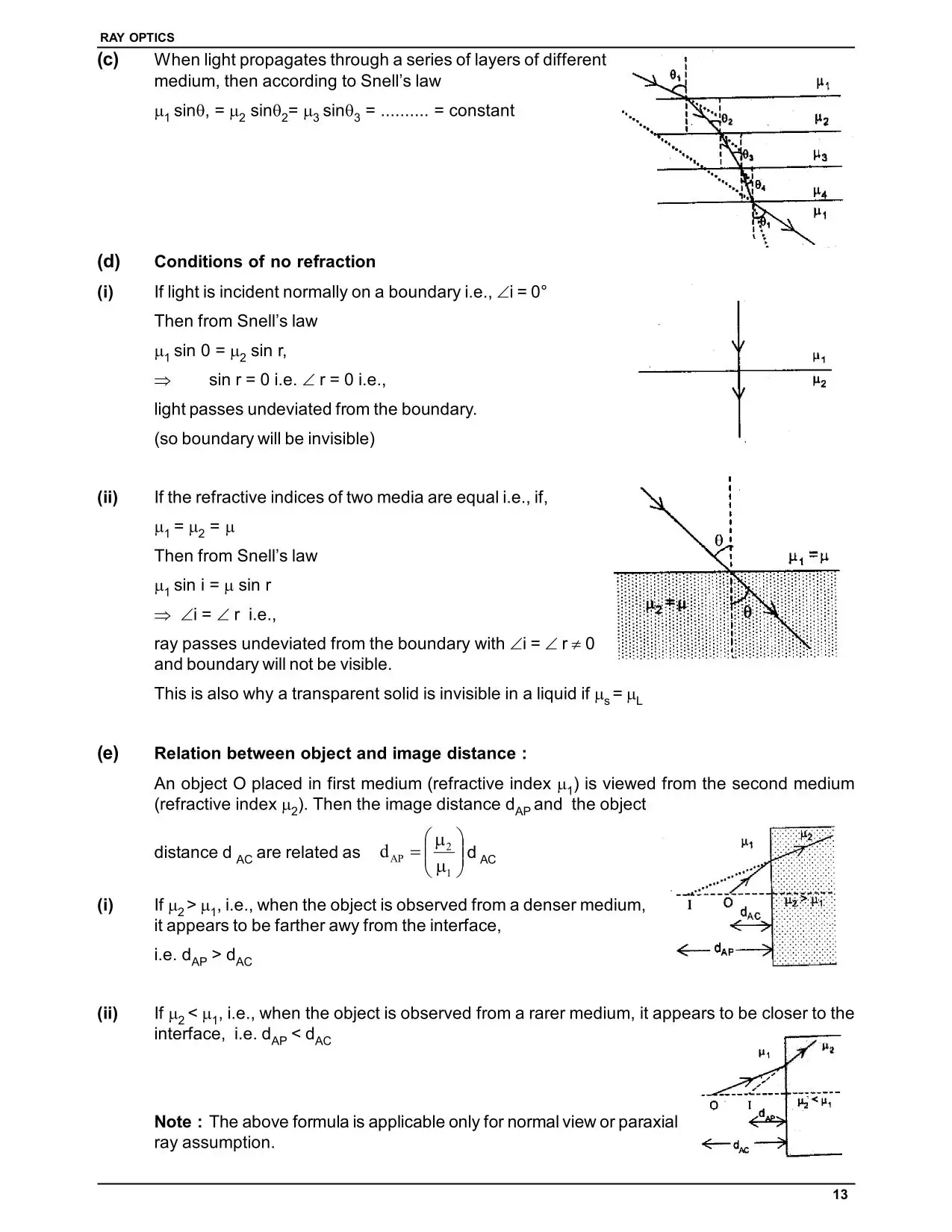
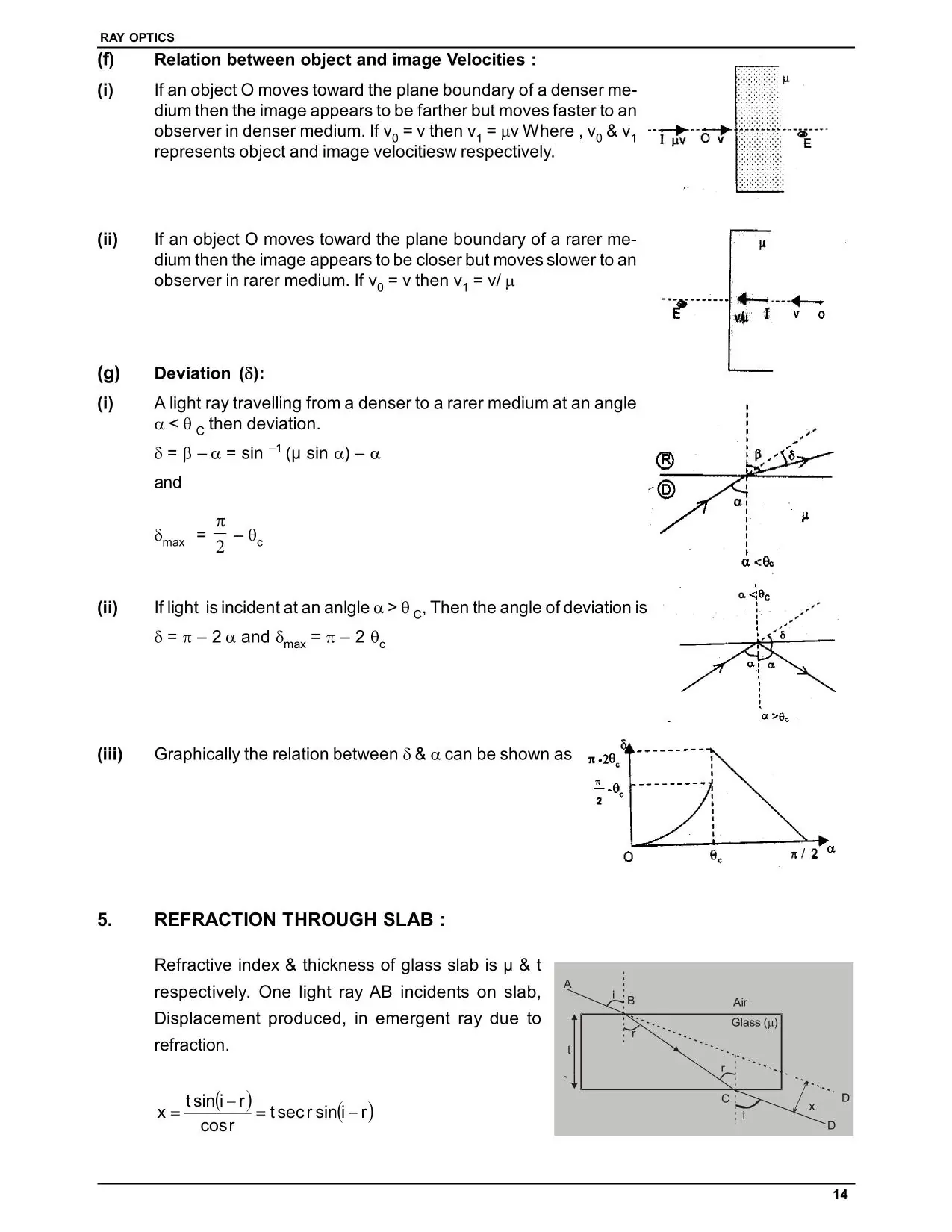
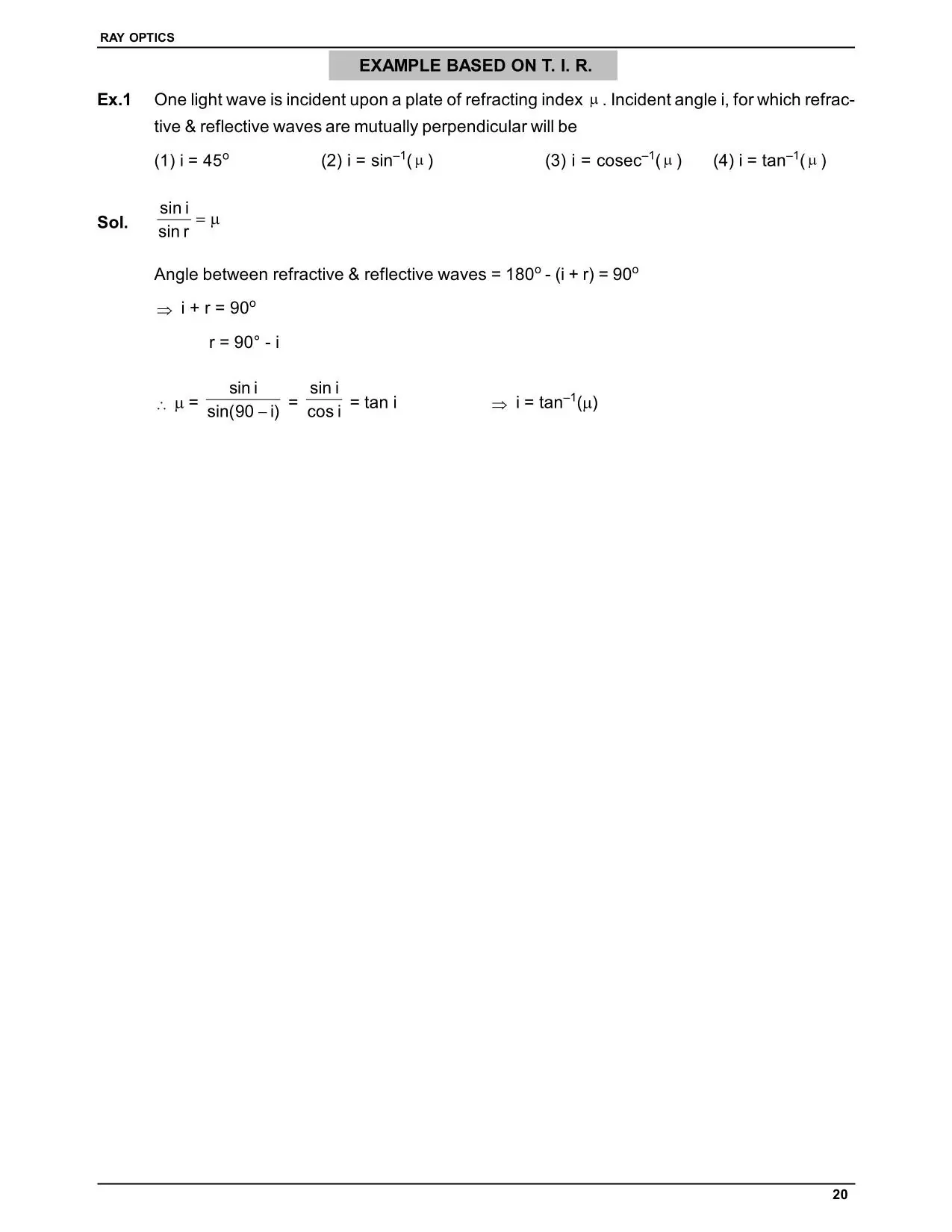
n₁ sin θ₁ = n₂ sin θ₂ | Snell's Law |
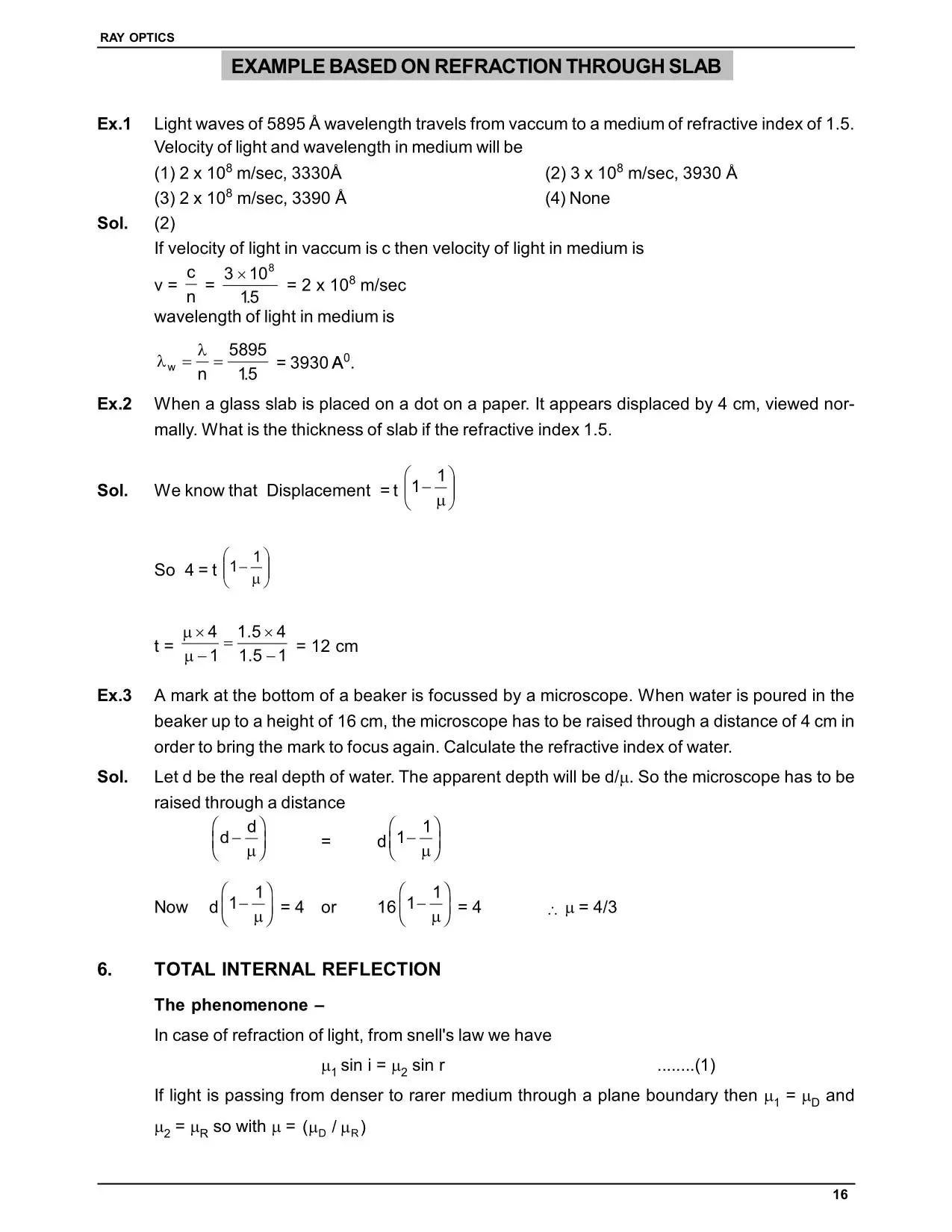
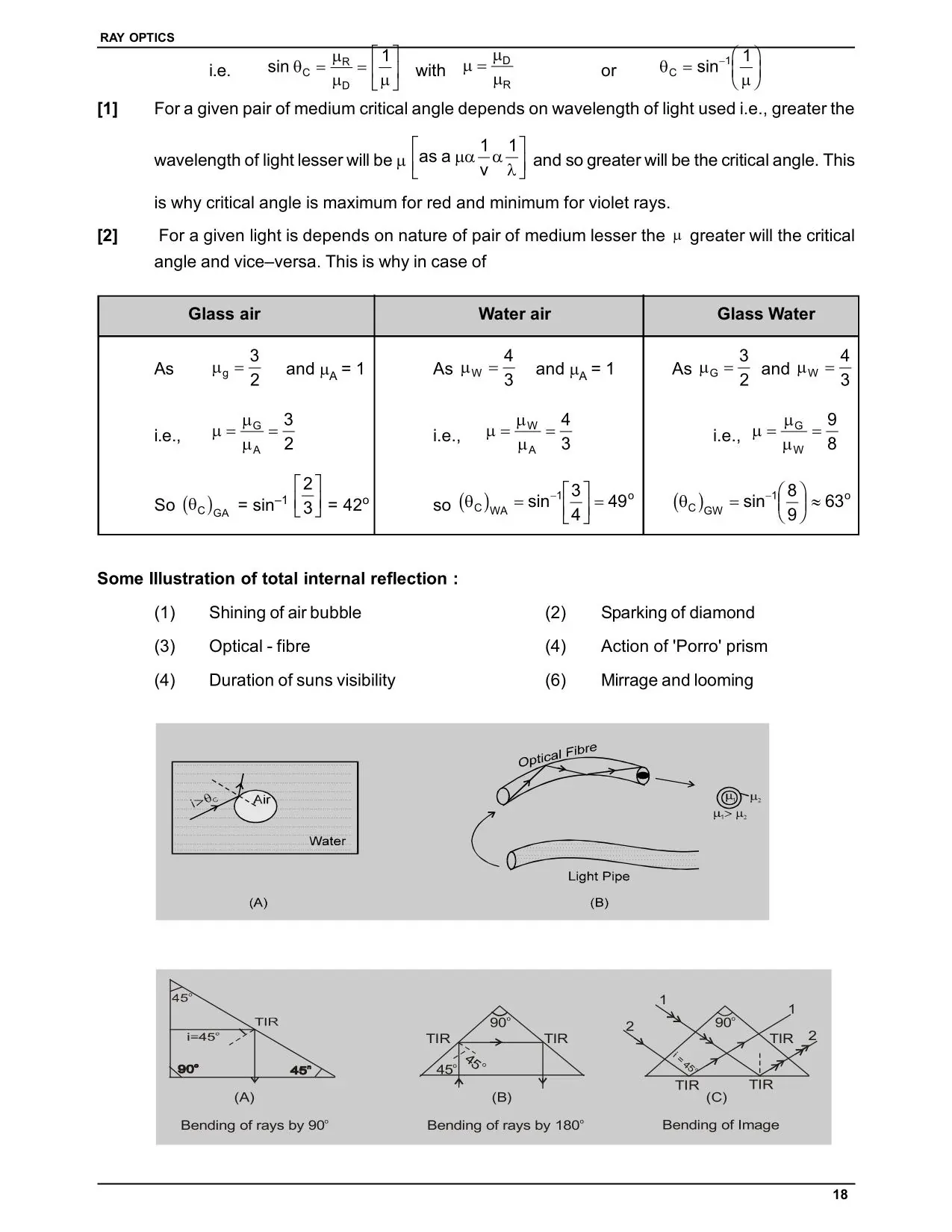
sin θ_c = 1/n | Critical angle (TIR) |
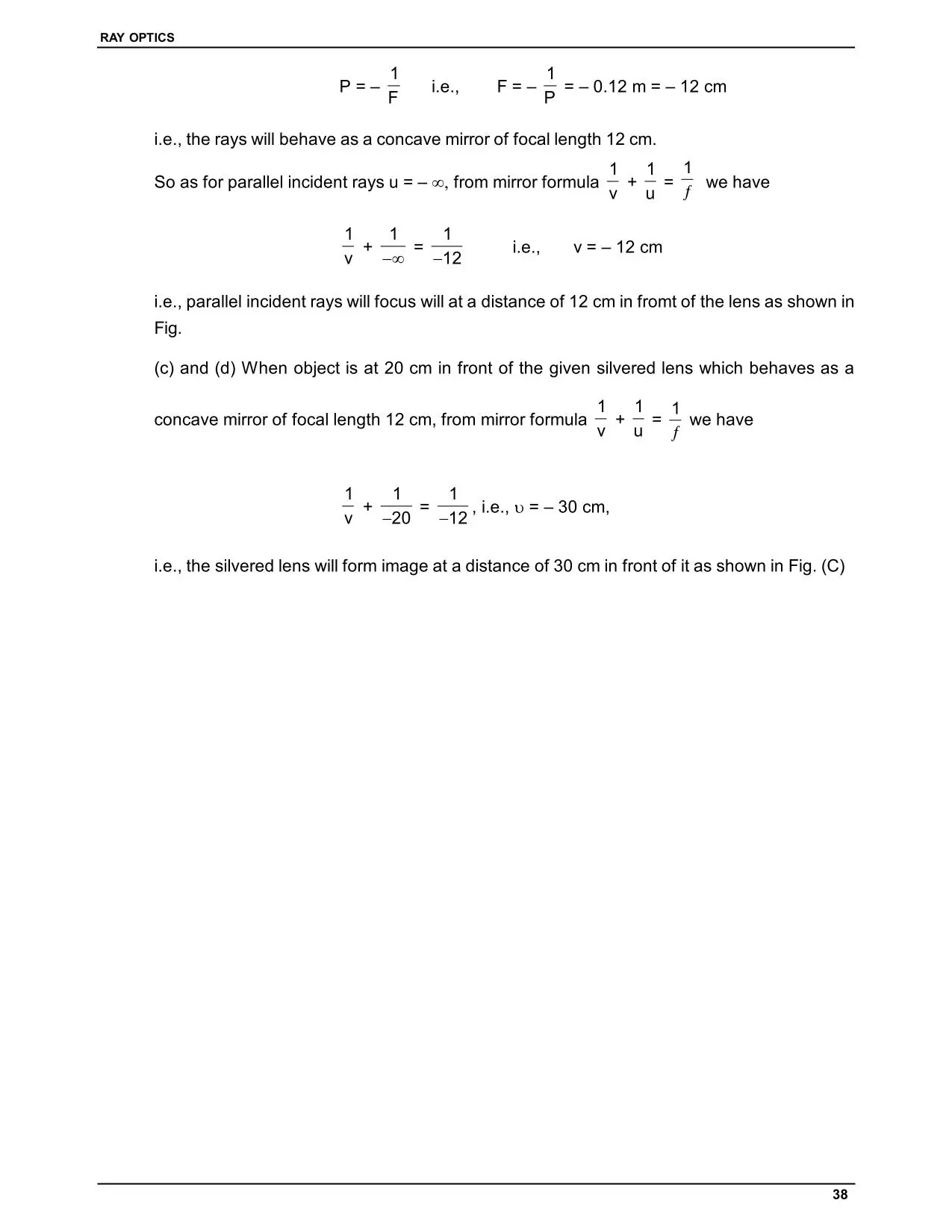
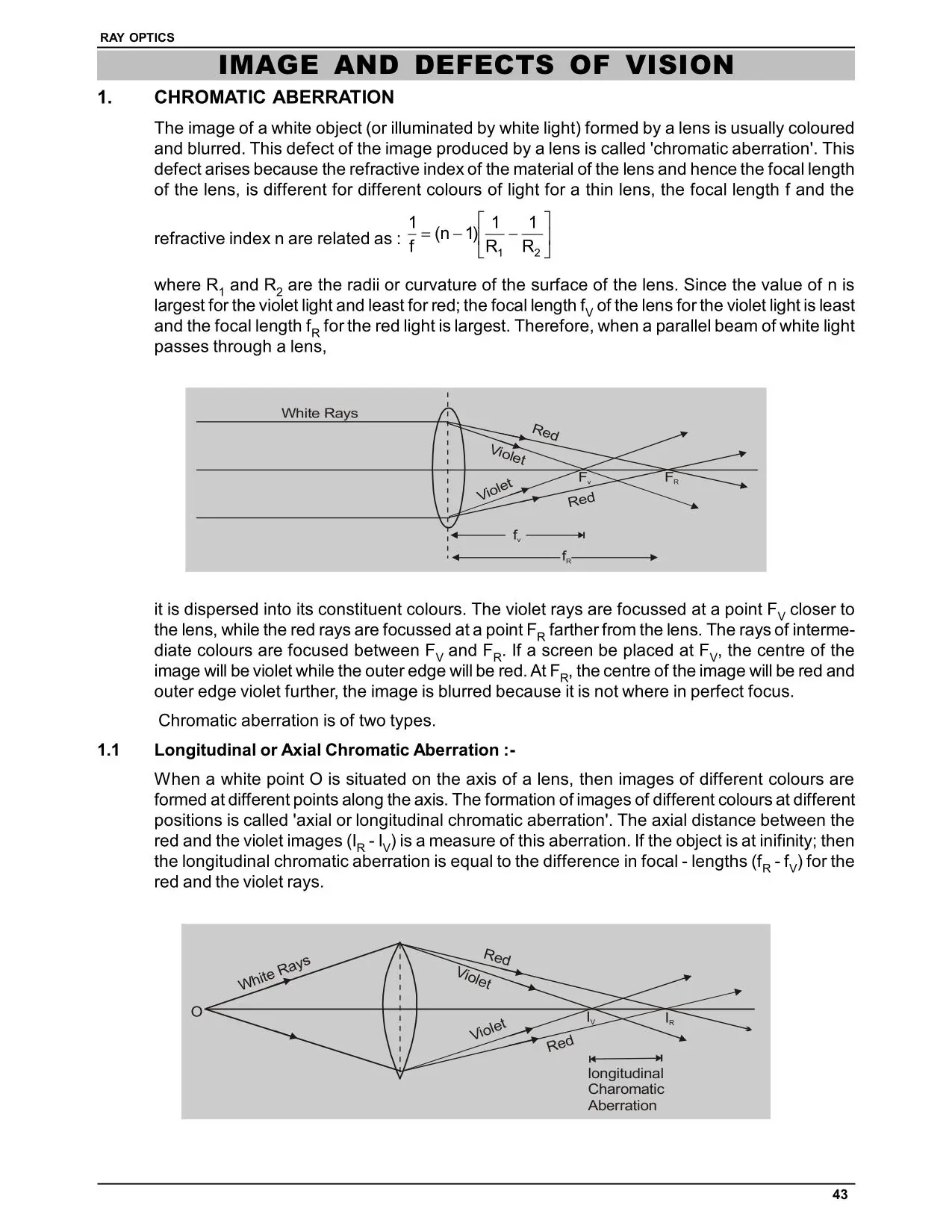
1/v − 1/u = 1/f | Thin lens formula |
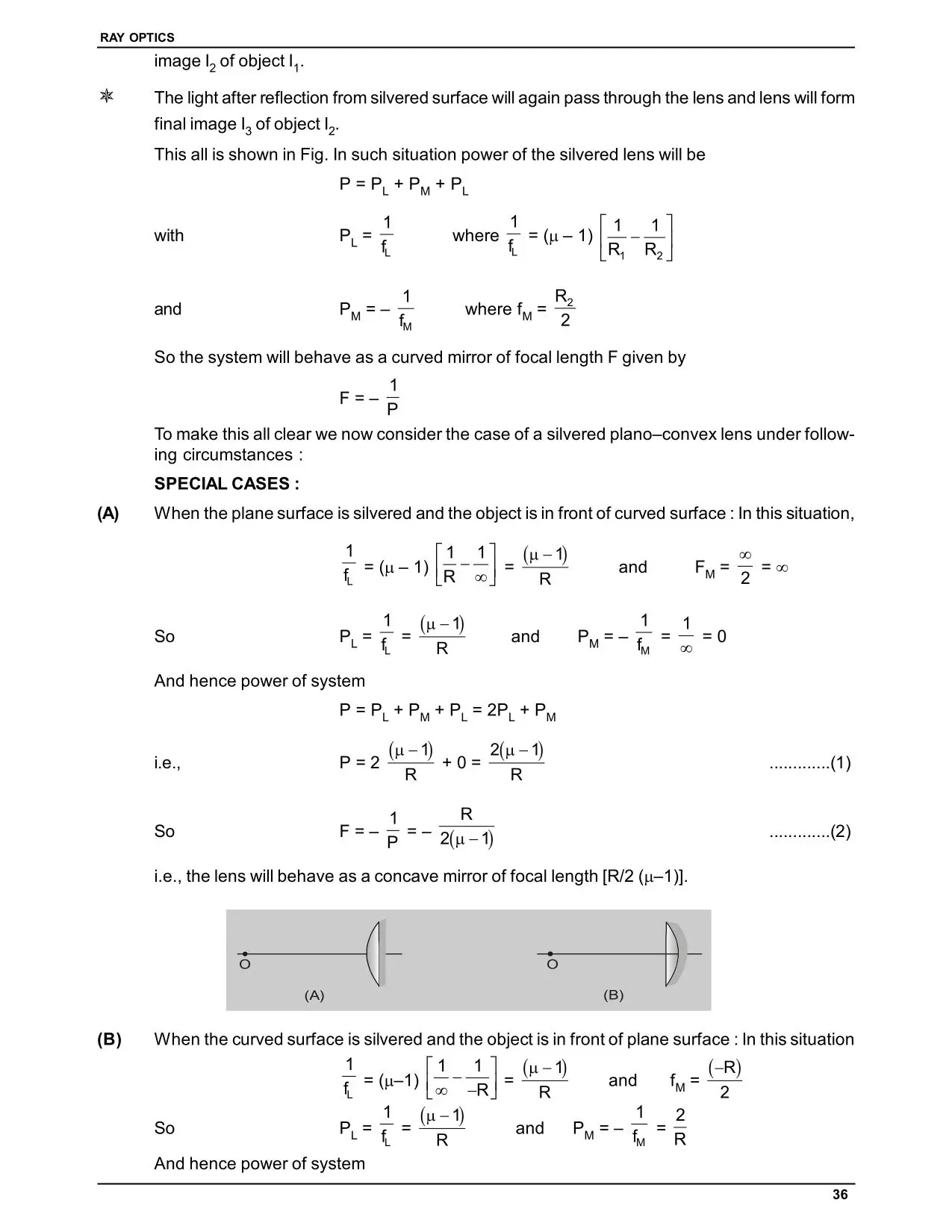
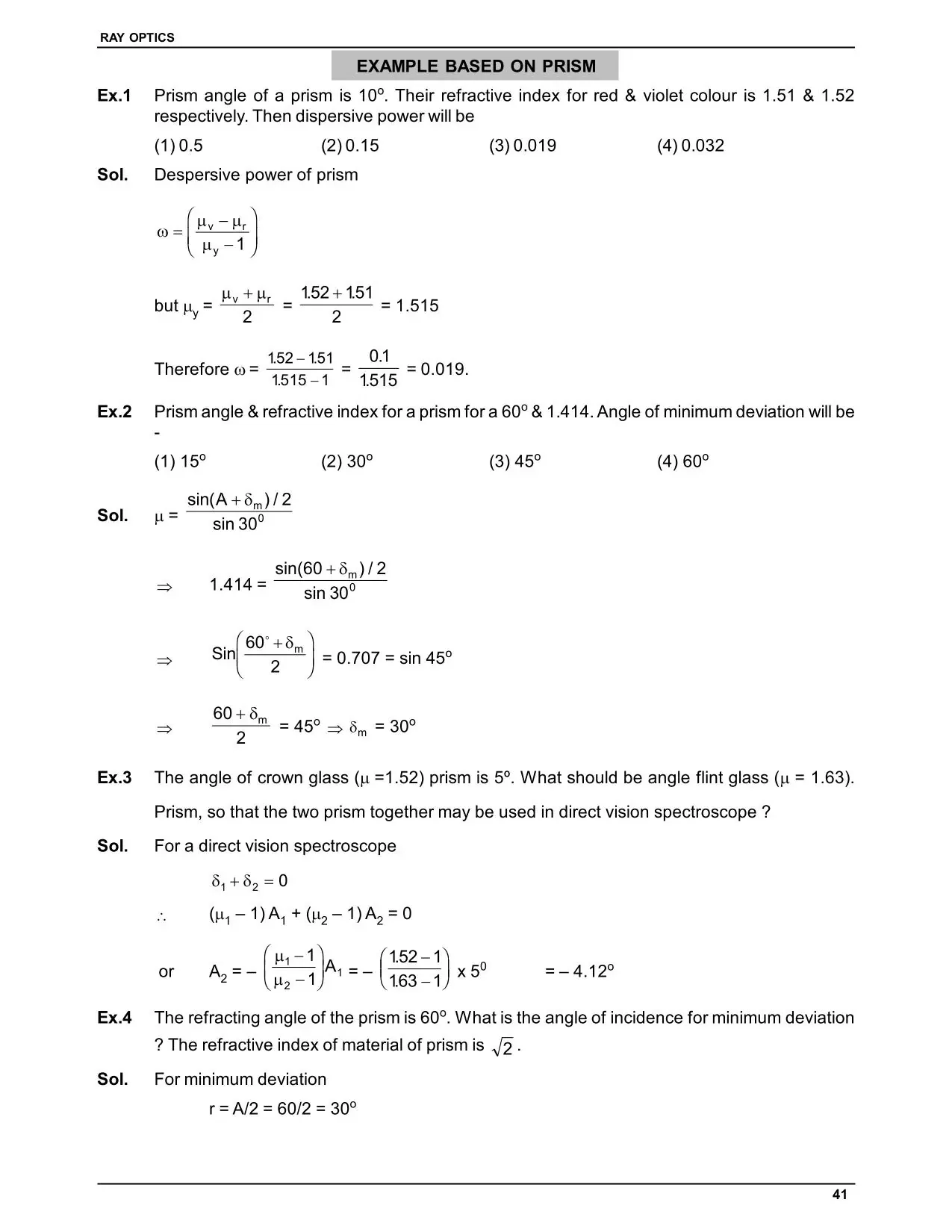
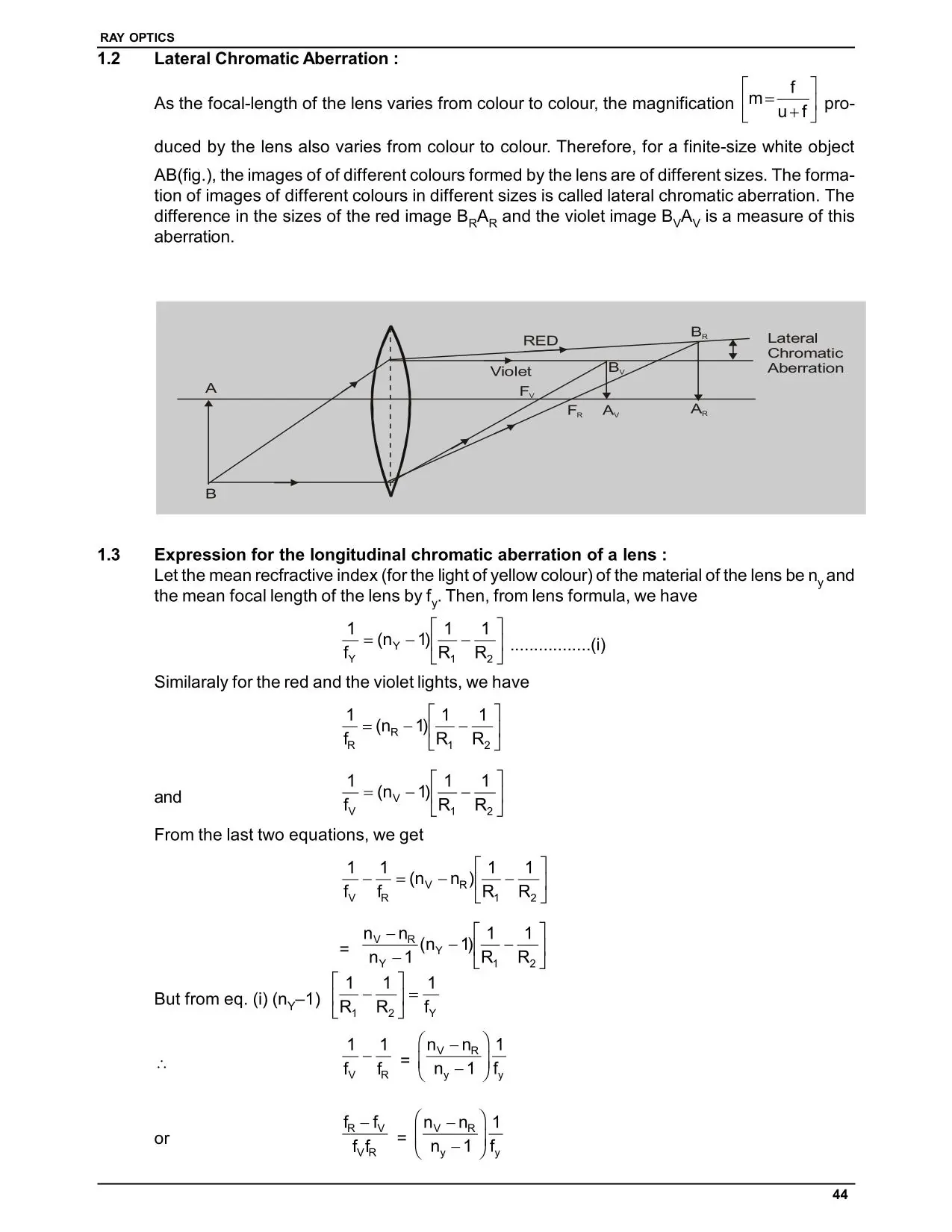
1/f = (n−1)(1/R₁ − 1/R₂) | Lens Maker's Equation |
P = 1/f | Power of lens (dioptres) |
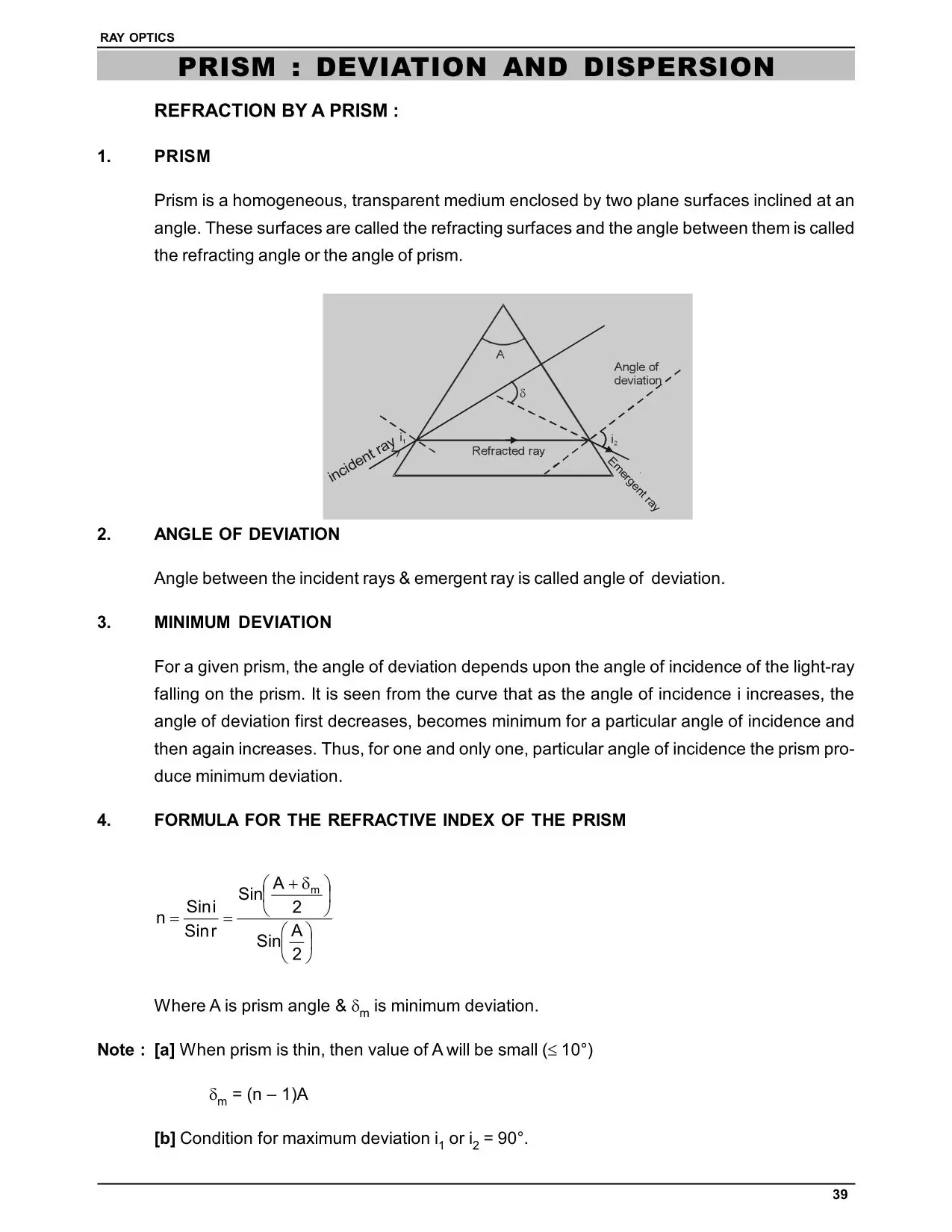
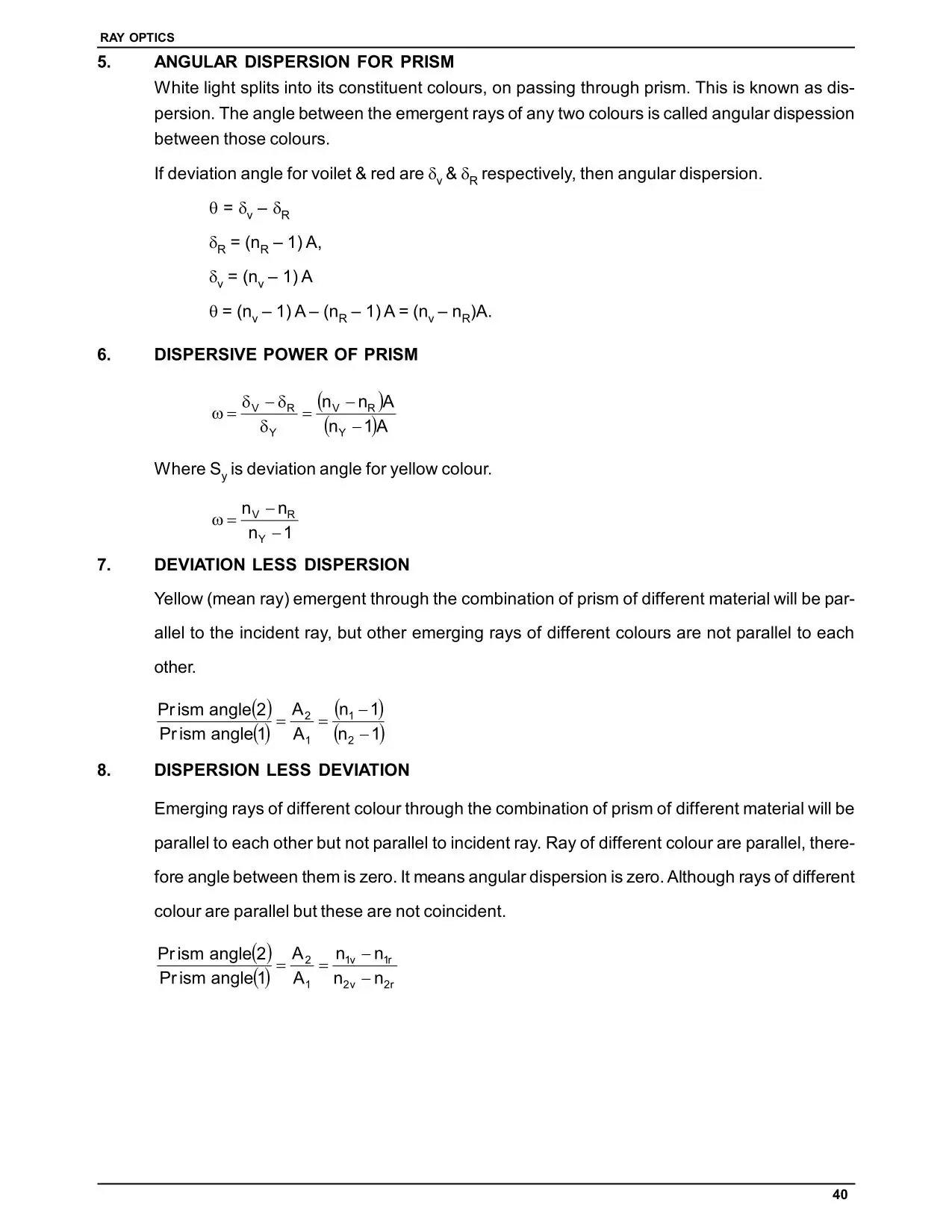
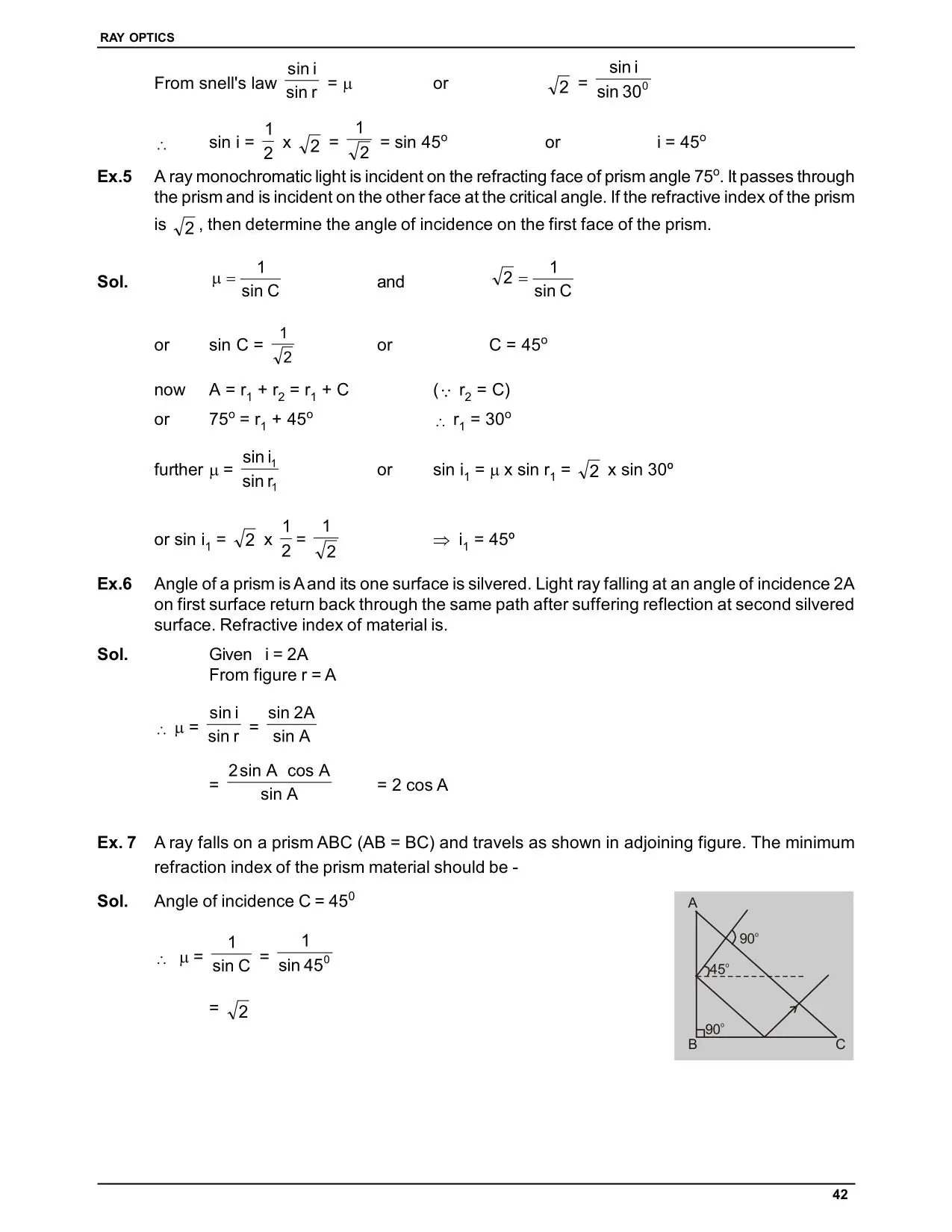
n = sin((A+δm)/2) / sin(A/2) | Refractive index via prism |
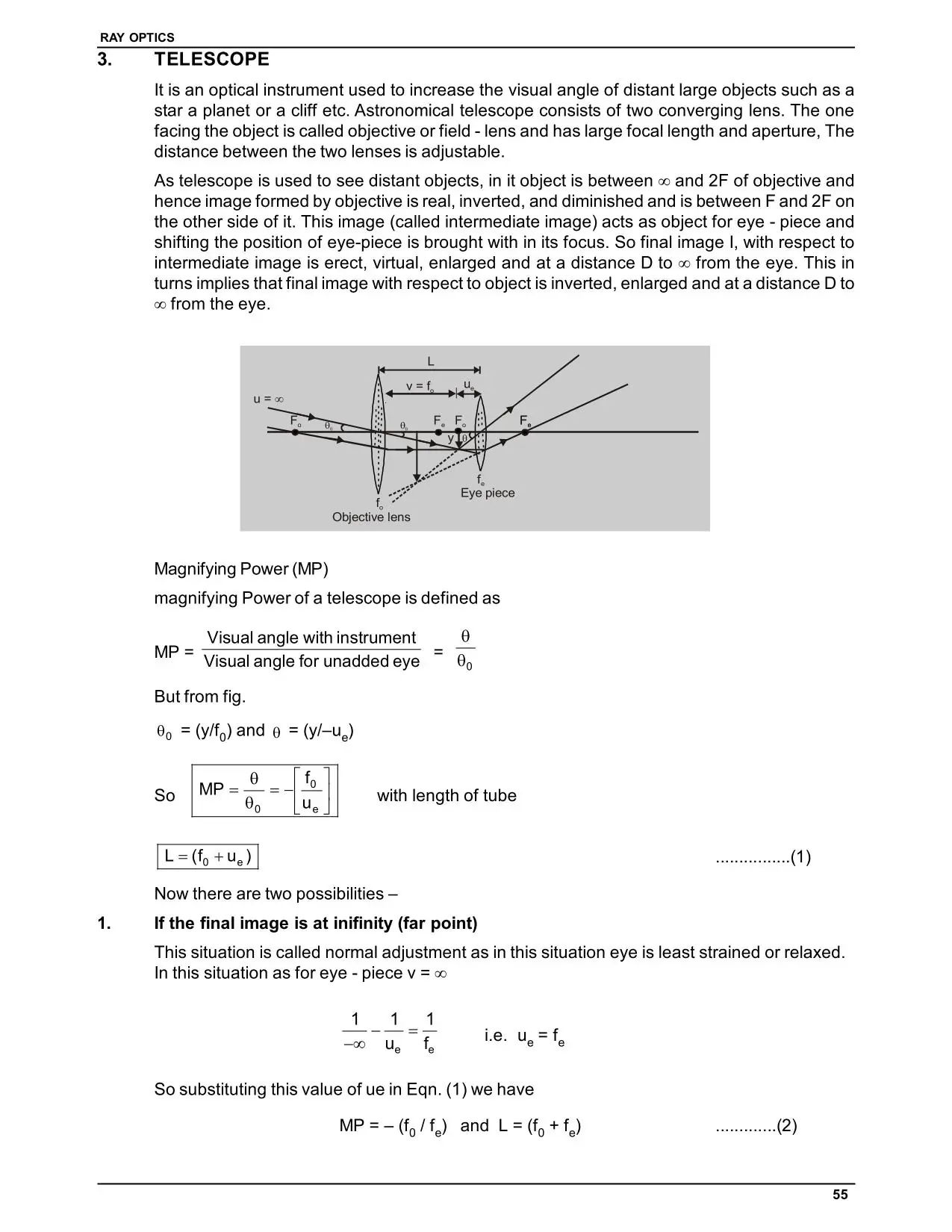
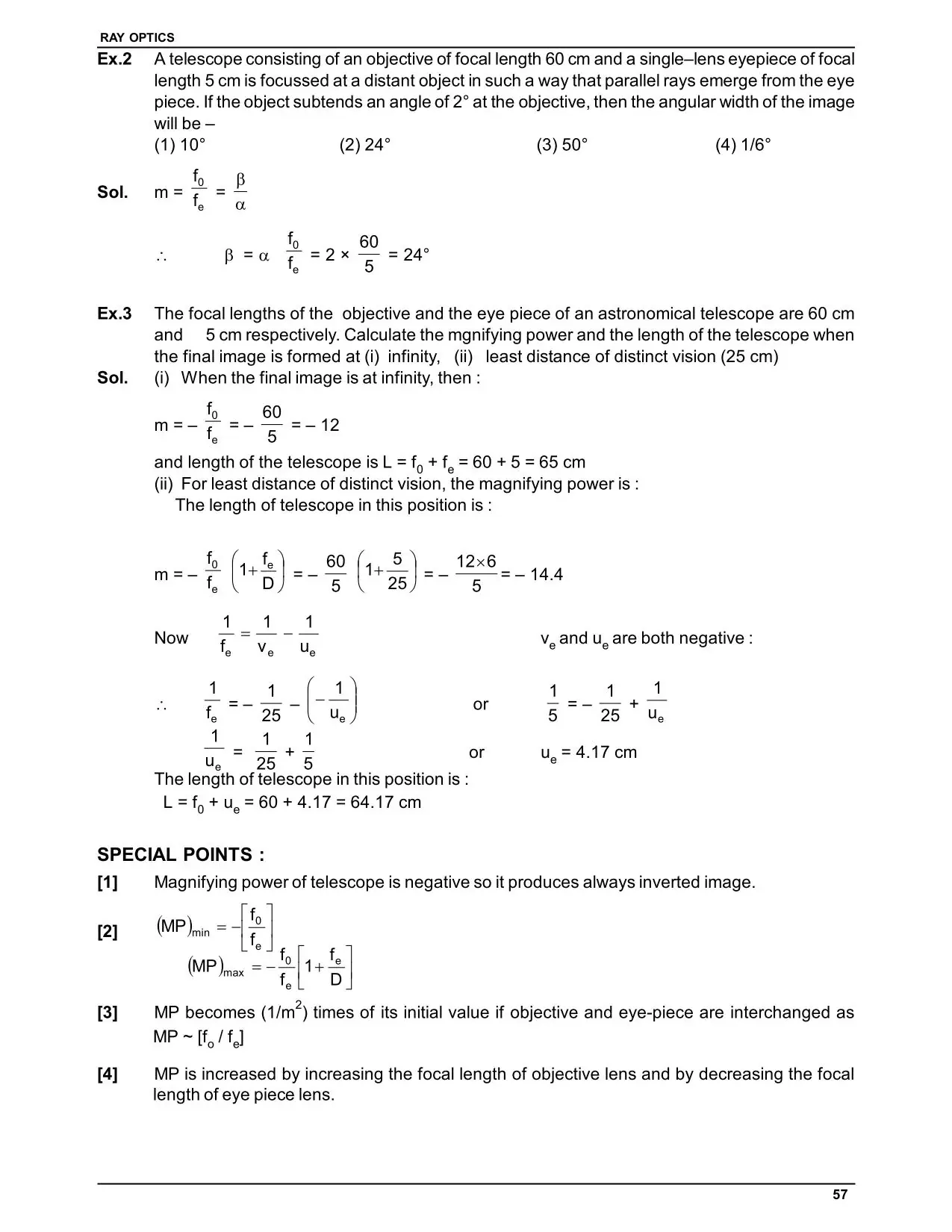
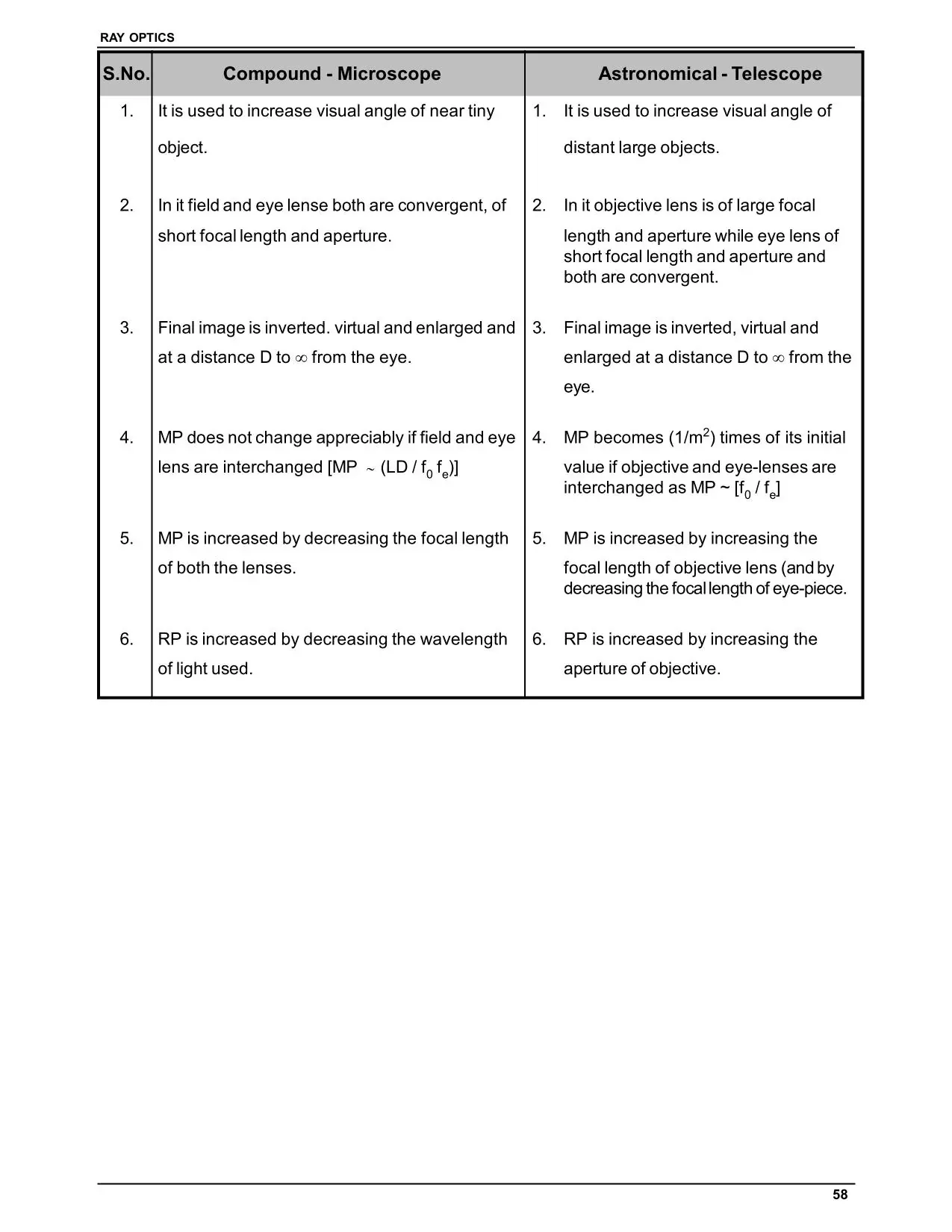
M = f_o/f_e | Telescope magnification |
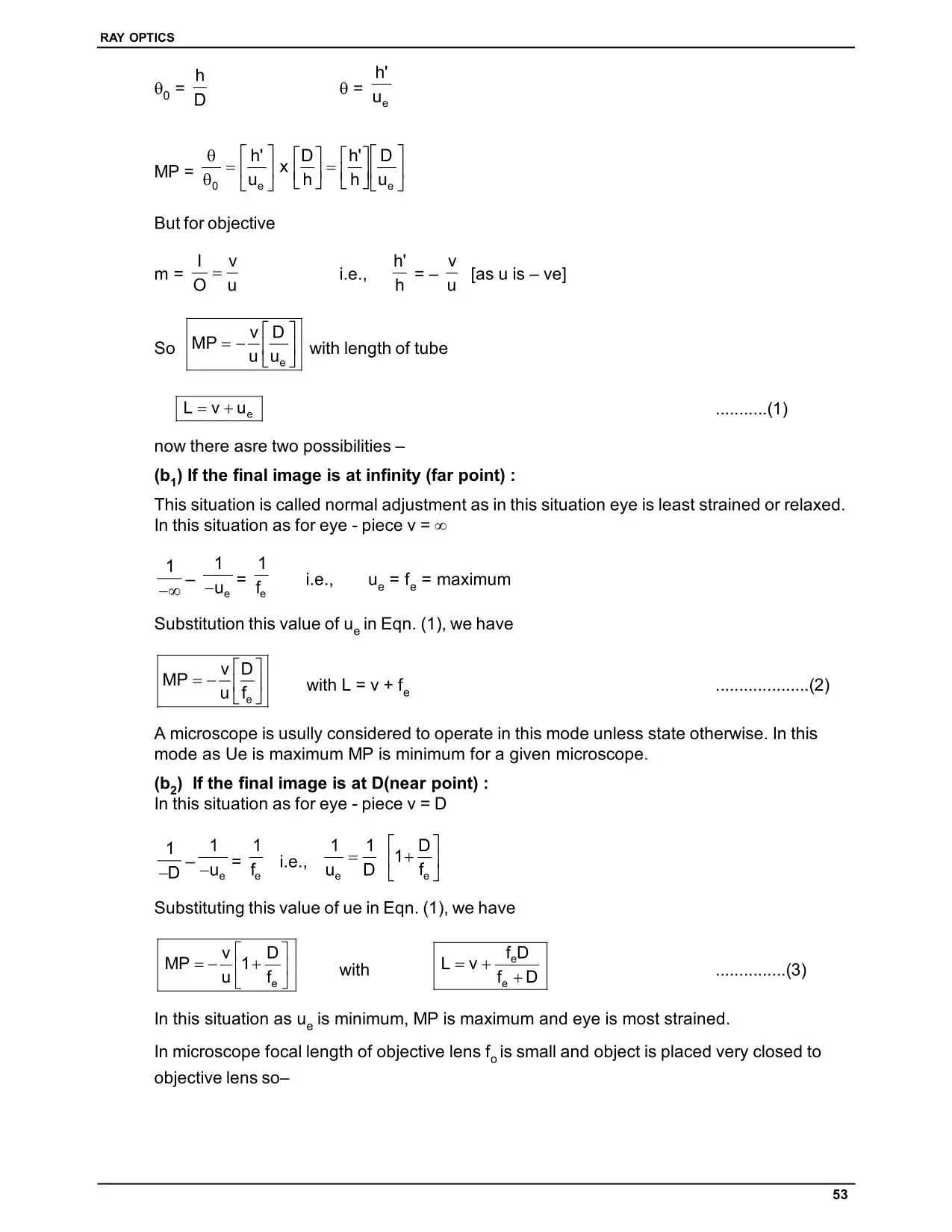
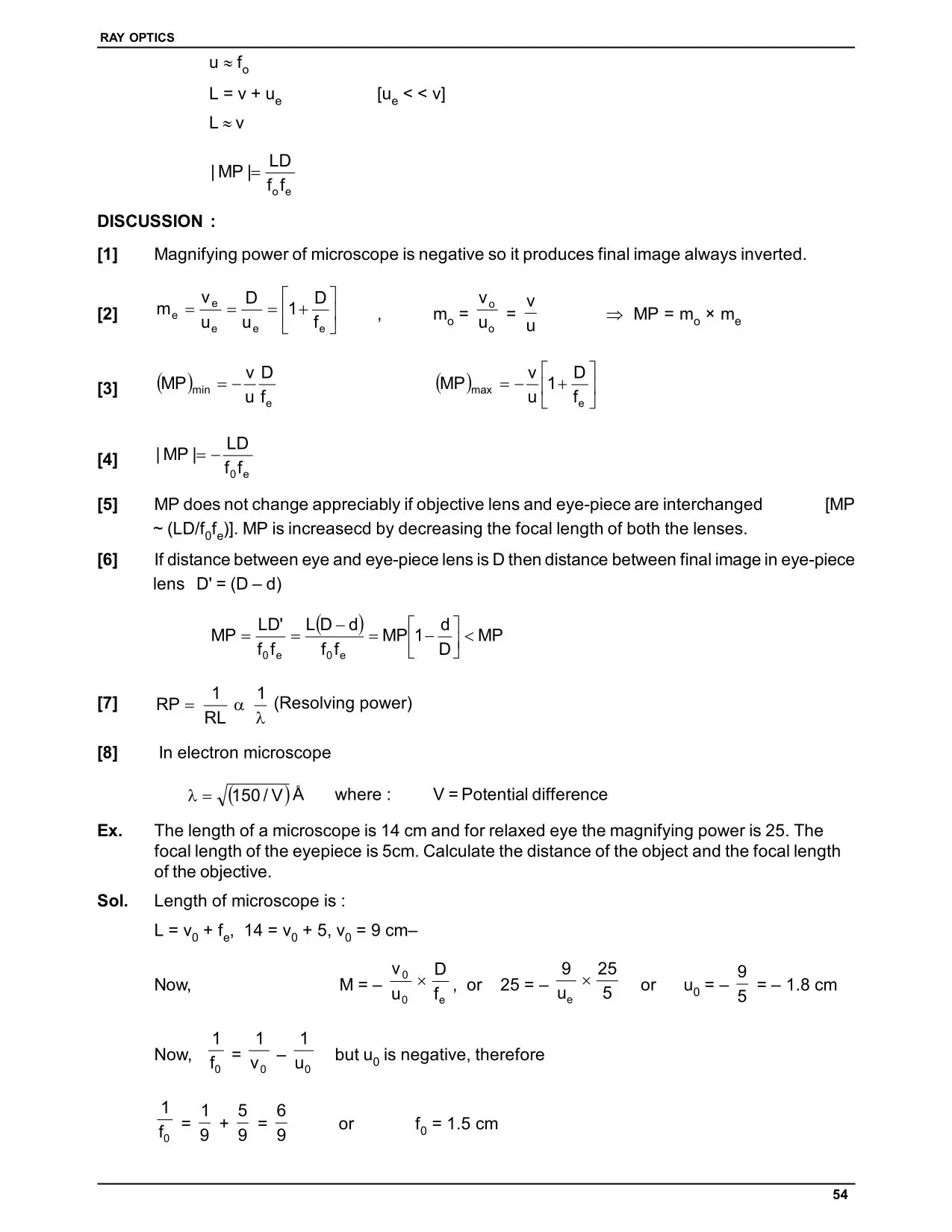
M = −L/f_o × (1 + D/f_e) | Compound microscope magnification |
📥 Download the Free eSaral App for complete Class 12 Physics Notes, video lectures by IIT Bombay faculty, and JEE/NEET practice questions: 👉 India's Best Exam Preparation for Class 12 — Download Now
Frequently Asked Questions
What are the most important topics in Ray Optics Class 12 for JEE?
The most important topics in Ray Optics for JEE are the mirror formula and magnification, Snell's Law and Total Internal Reflection, the Lens Maker's Equation, prism deviation and minimum deviation, and optical instruments (compound microscope and telescope). JEE Advanced also frequently tests TIR in optical fibres and prism-mirror combinations.
How many marks does Ray Optics carry in JEE Main?
Ray Optics and Optical Instruments typically carries 3 to 4 questions in JEE Main, translating to 12 to 16 marks. It is one of the highest-weightage individual chapters in Class 12 Physics for JEE Main. The chapter appears in almost every JEE Main session and is therefore a high-priority topic.
What is the difference between a real image and a virtual image in optics?
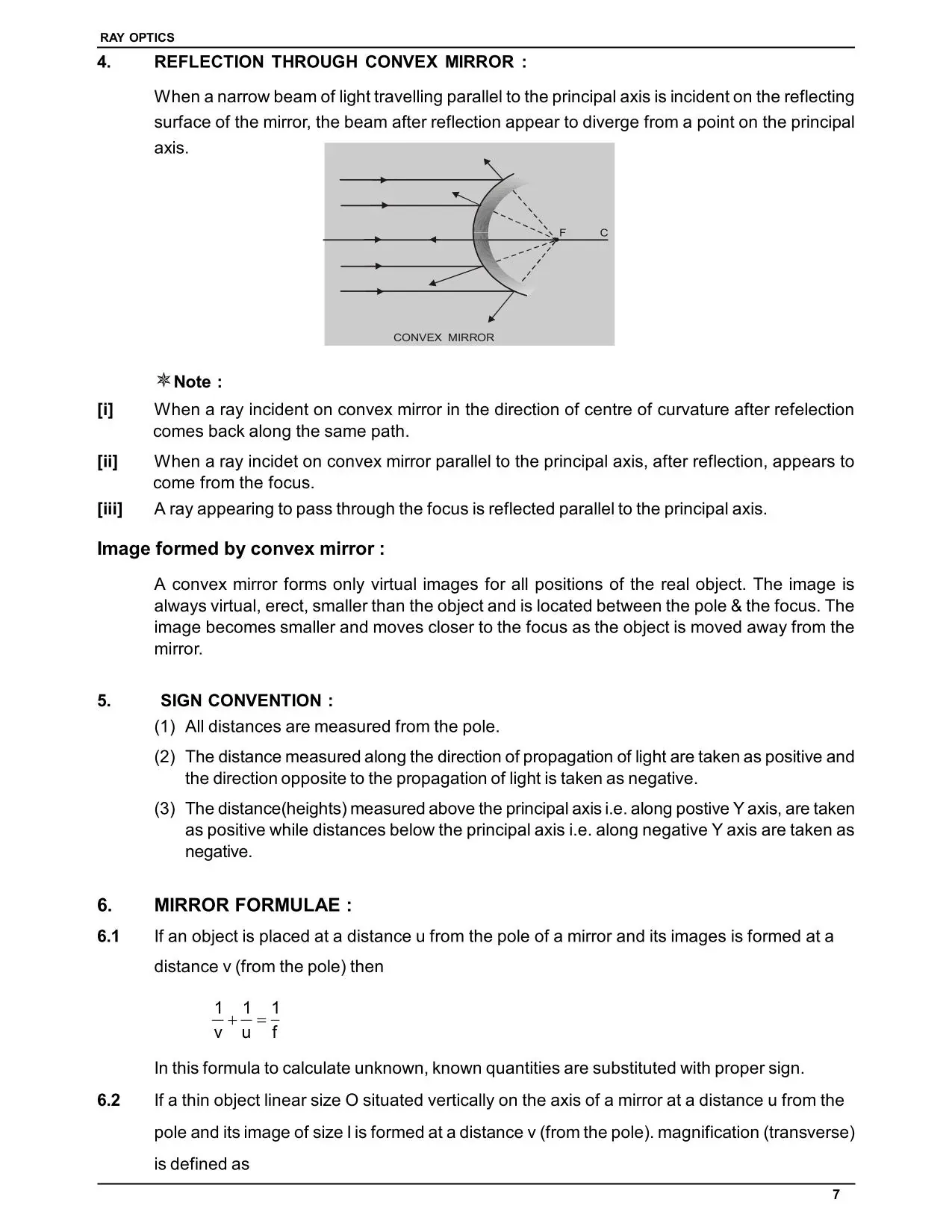
A real image is formed where reflected or refracted rays actually meet. It can be projected on a screen and is always inverted. A virtual image is formed where rays appear to diverge from — they do not actually converge there. It cannot be projected on a screen and is always erect. Concave mirrors and convex lenses can form both; convex mirrors and concave lenses form only virtual images.
What is Total Internal Reflection and when does it occur?
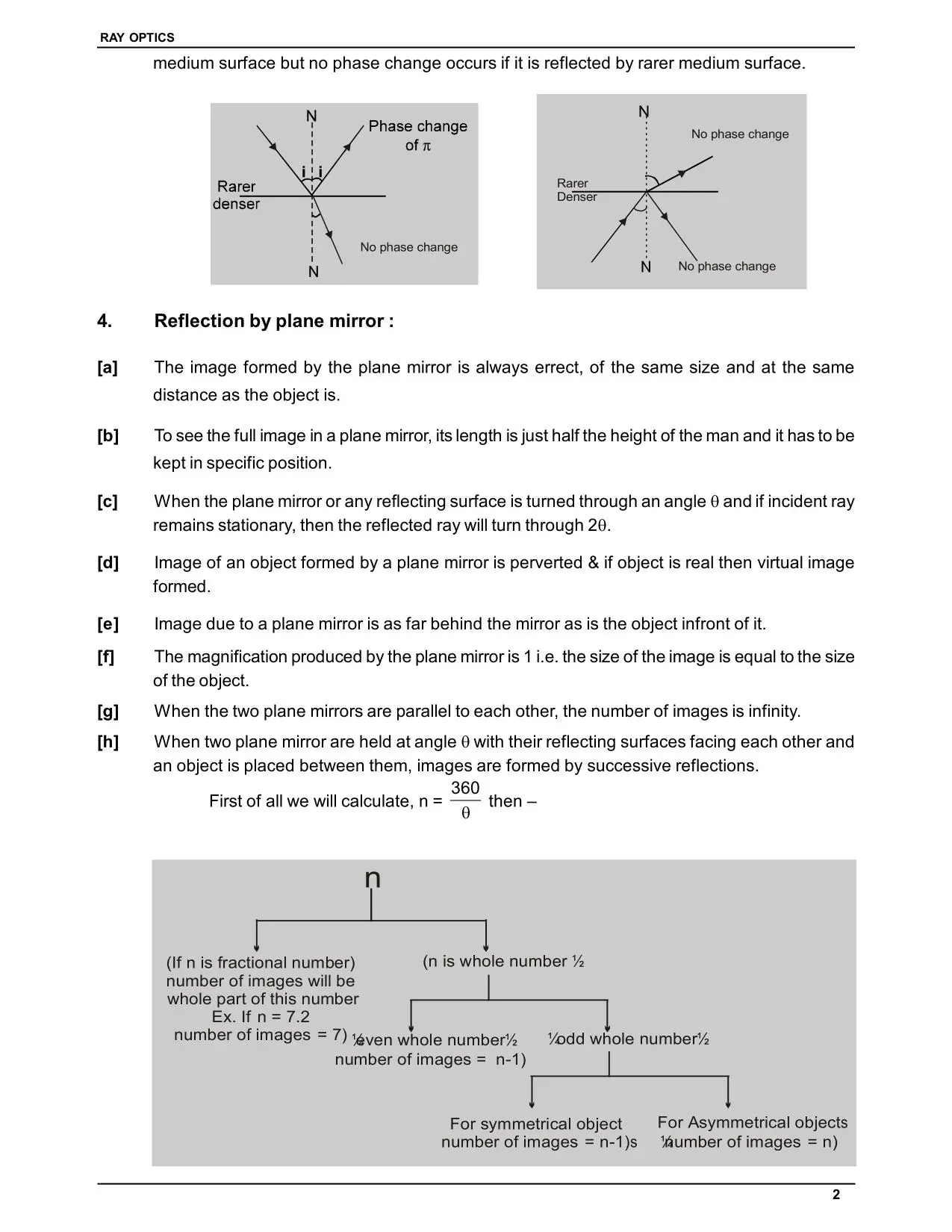
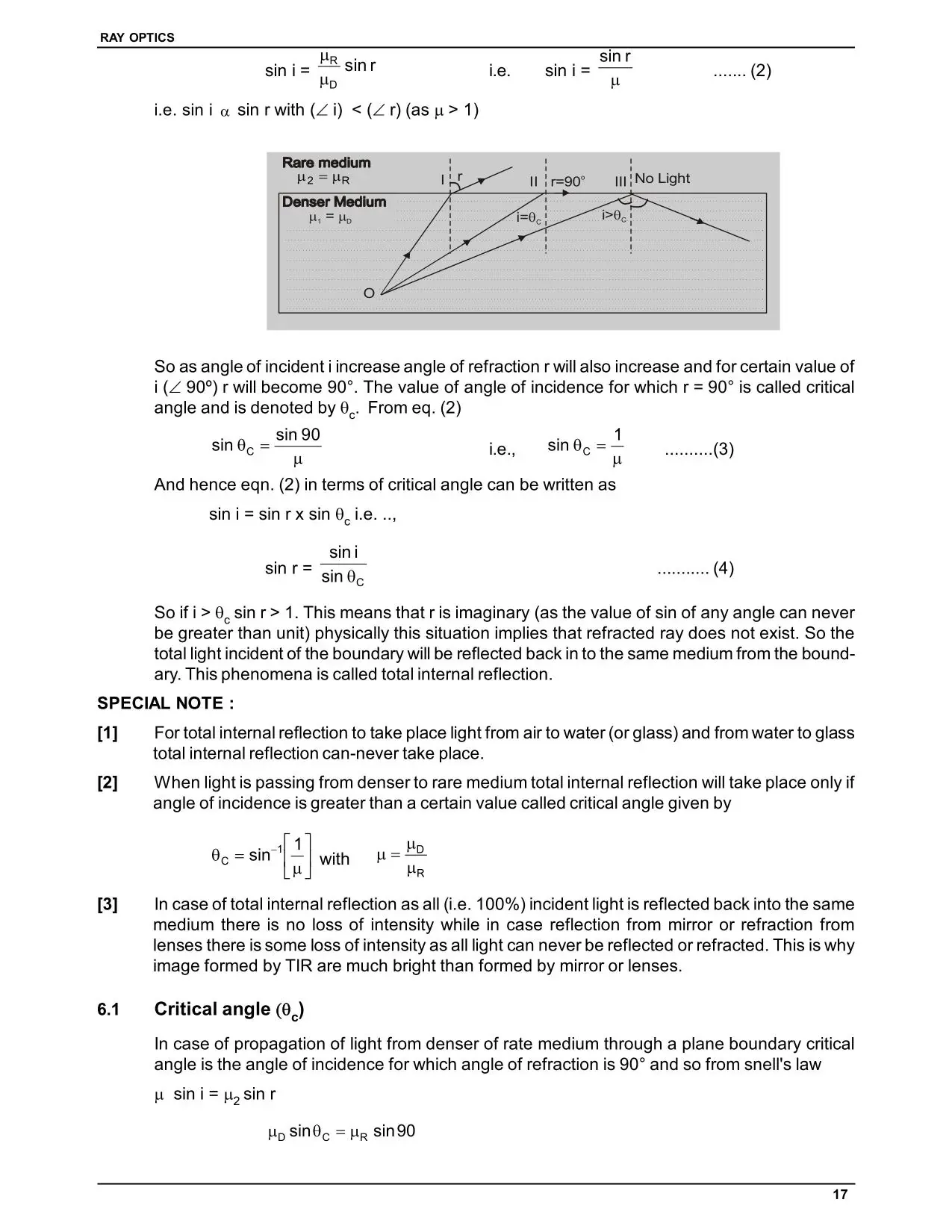
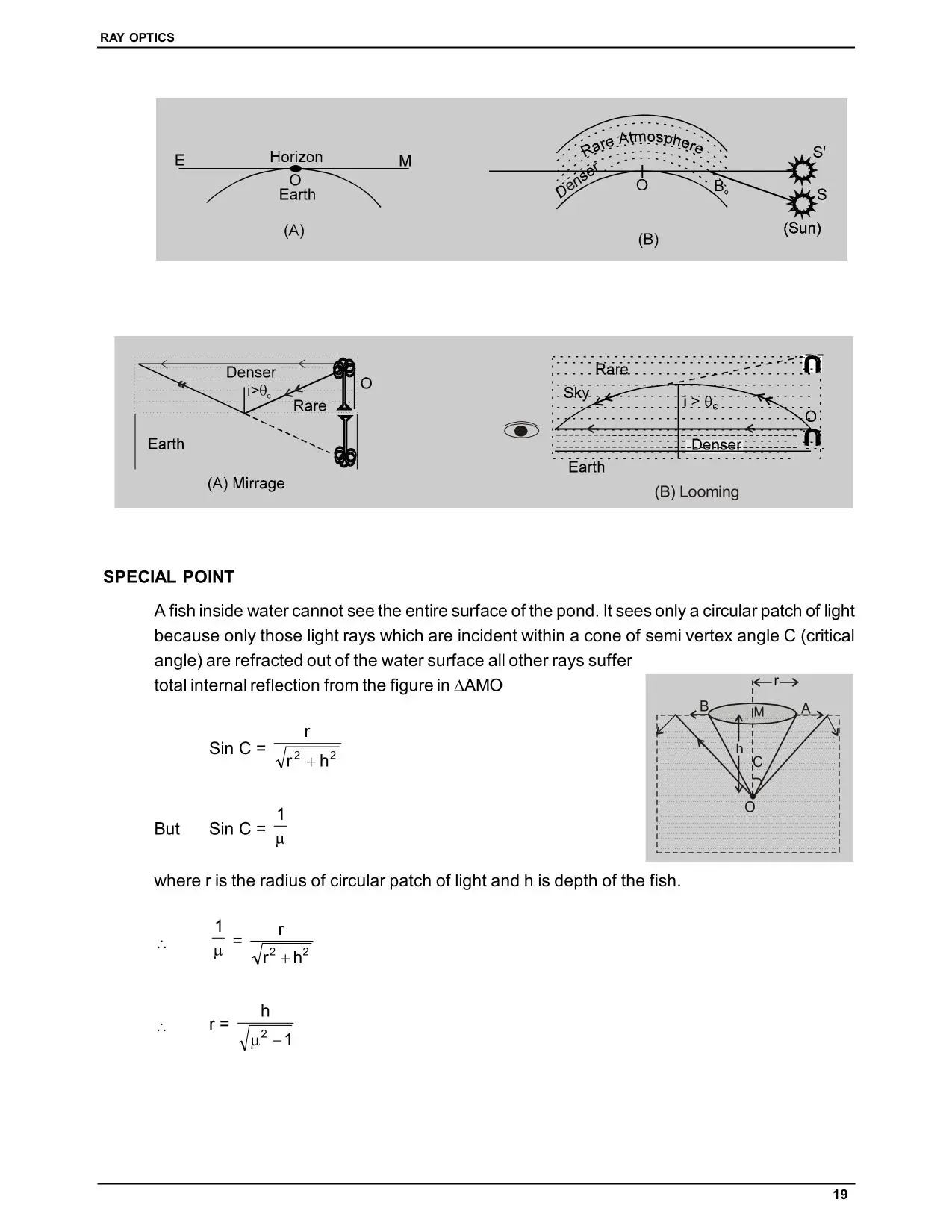
Total Internal Reflection occurs when light travels from a denser medium to a rarer medium and the angle of incidence is greater than the critical angle. At this point, no light is refracted — all of it is reflected back into the denser medium. TIR is the principle behind optical fibres, diamond brilliance, and prism-based periscopes.
Why does the electric flux through a Gaussian surface not change when the charge is moved inside it?
By Gauss's law, electric flux depends only on the total charge enclosed within the surface, not the position of that charge inside. Moving the charge changes the local field distribution but not the total outward flux through the closed surface. This is a direct consequence of the inverse-square nature of Coulomb's law.