
Chemistry Class 12 Biomolecules Notes for IIT JEE & NEET

eSaral Academic and Editorial Team
Summary
<p>Biomolecules is a high-scoring Class 12 Chemistry chapter for JEE and NEET that mainly focuses on carbohydrates, proteins, enzymes, nucleic acids, and vitamins, with most questions directly based on NCERT concepts, classifications, and important facts like reducing sugars, protein structures, DNA vs RNA differences, and vitamin deficiency diseases.</p>
eSaral ›Class 12›Chemistry Class 12 Biomolecules Notes for IIT JEE & NEET

🚀 Checkout eSaral Courses
Why Biomolecules Is a High-Return Chapter for NEET and JEE
Biomolecules (Class 12, Chapter 14) is one of the most fact-dense chapters in the entire Chemistry syllabus — and precisely because of this, it is one of the most reliable scoring chapters for students who prepare it properly.
For NEET, Biomolecules sits at the intersection of Chemistry and Biology. Questions on carbohydrate classification, protein structure, enzyme mechanism, and nucleic acid base pairing appear regularly. A student who has read NCERT carefully and memorised the key classifications will almost never get these questions wrong.
For JEE Main, 1–2 questions from Biomolecules appear in most papers, typically testing the classification of carbohydrates (reducing/non-reducing sugars), protein structure terminology, or enzyme properties.
For CBSE Boards, Biomolecules contributes 4–5 marks and the questions are directly NCERT-based — often word-for-word from the textbook definitions and tables.
💡 Expert Tip by eSaral Chemistry Faculty: "Biomolecules is what we call a 'pure memory' chapter — but that label is misleading. The students who score full marks here are not the ones who just read it once. They are the ones who made a classification table for carbohydrates, a structure table for amino acids, and a comparison table for DNA vs RNA, and revised those tables three times before the exam. That structured revision is what makes this chapter an easy 8–12 marks."
Class 12 Biomolecules Notes
India's Best Exam Preparation for Class 12th - Download Now
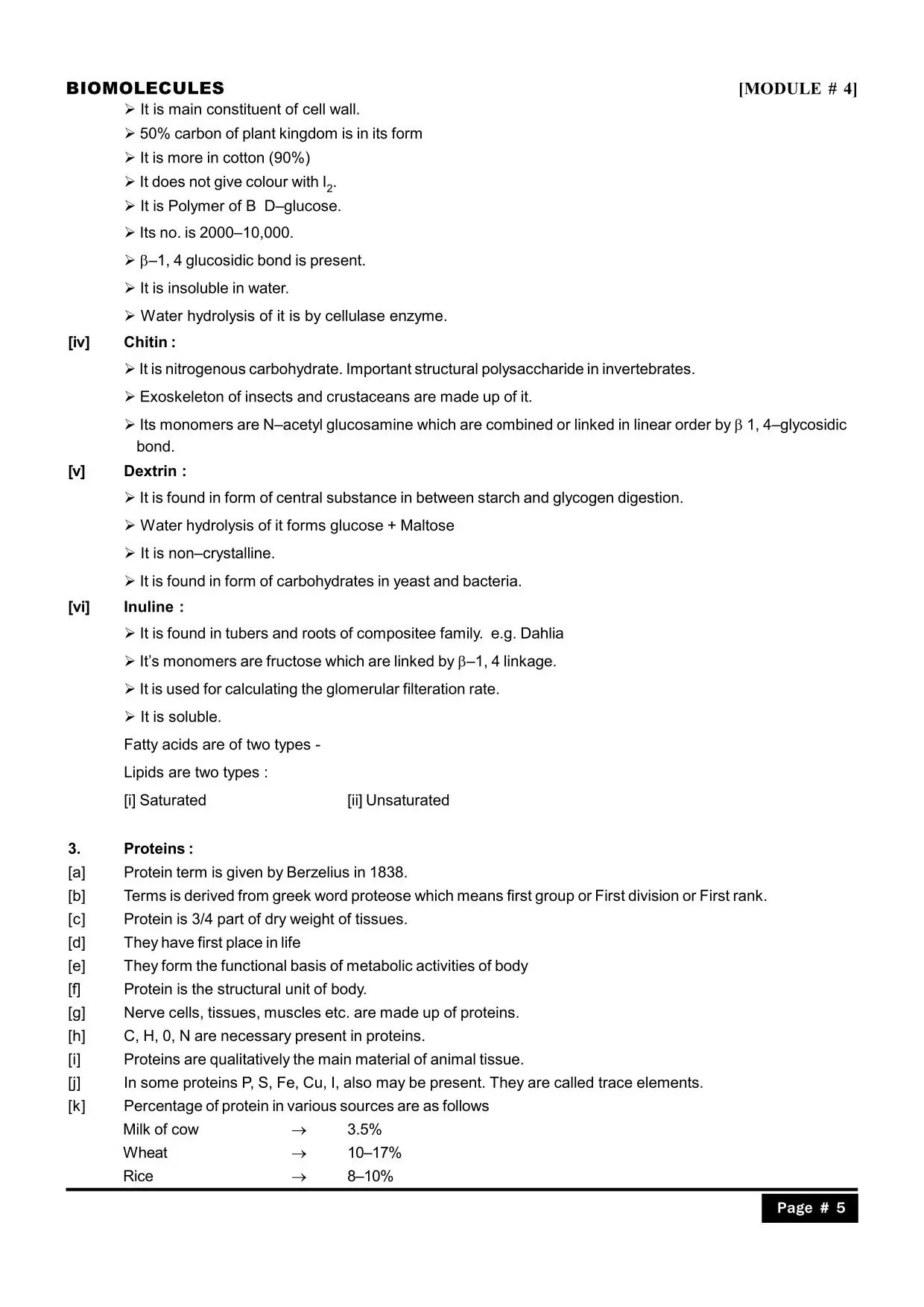
India's Best Exam Preparation for Class 12th - Download Now
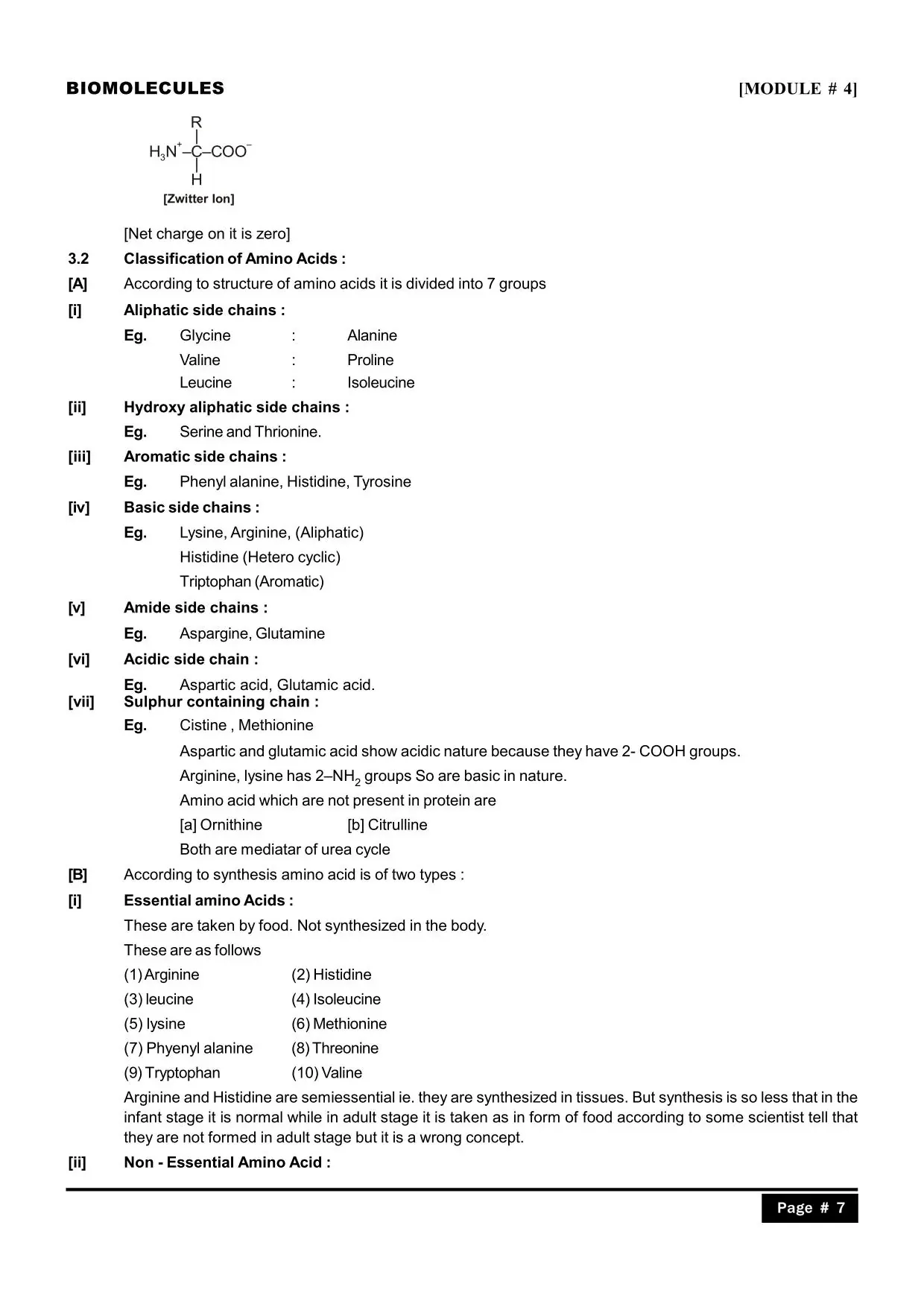
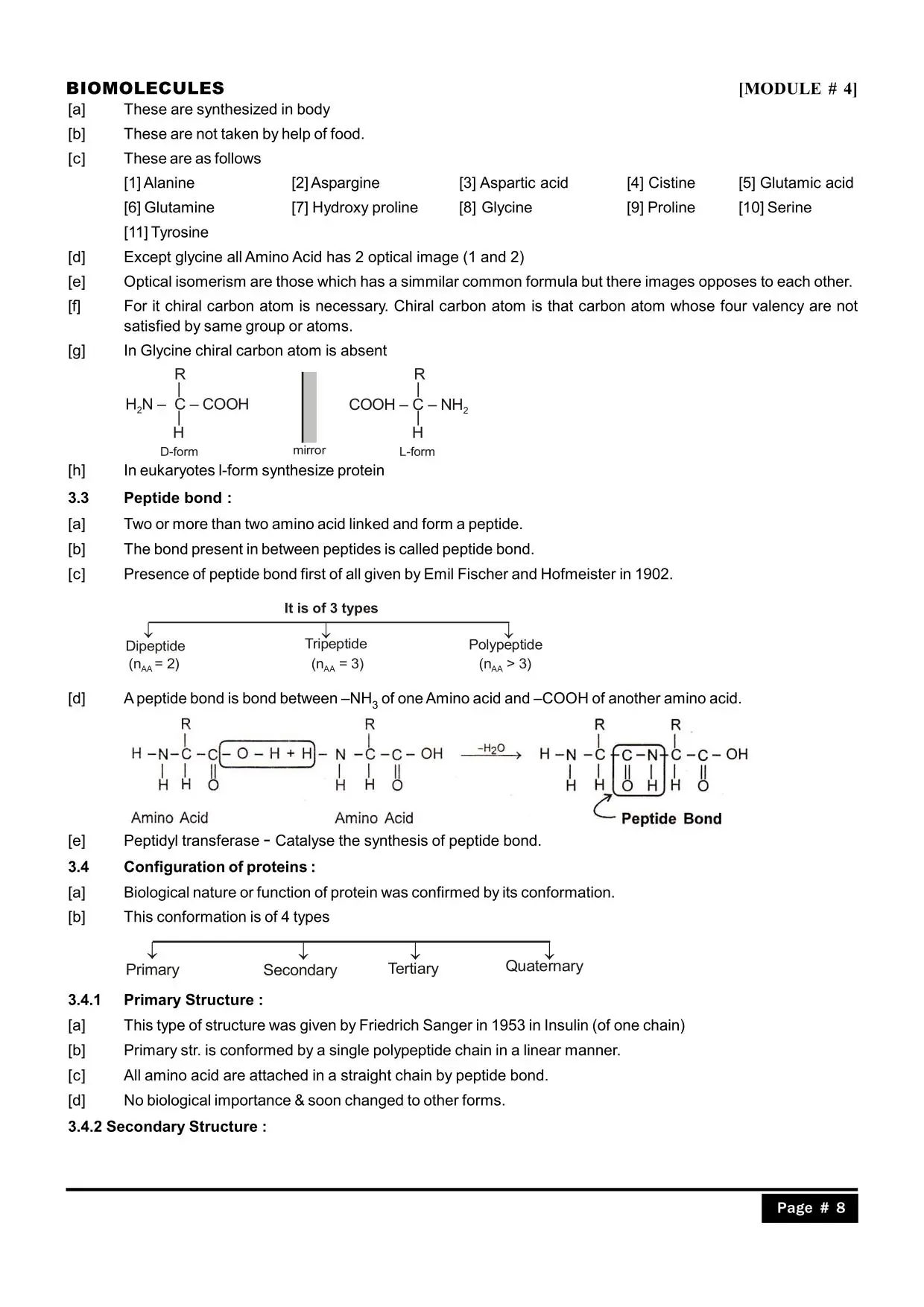
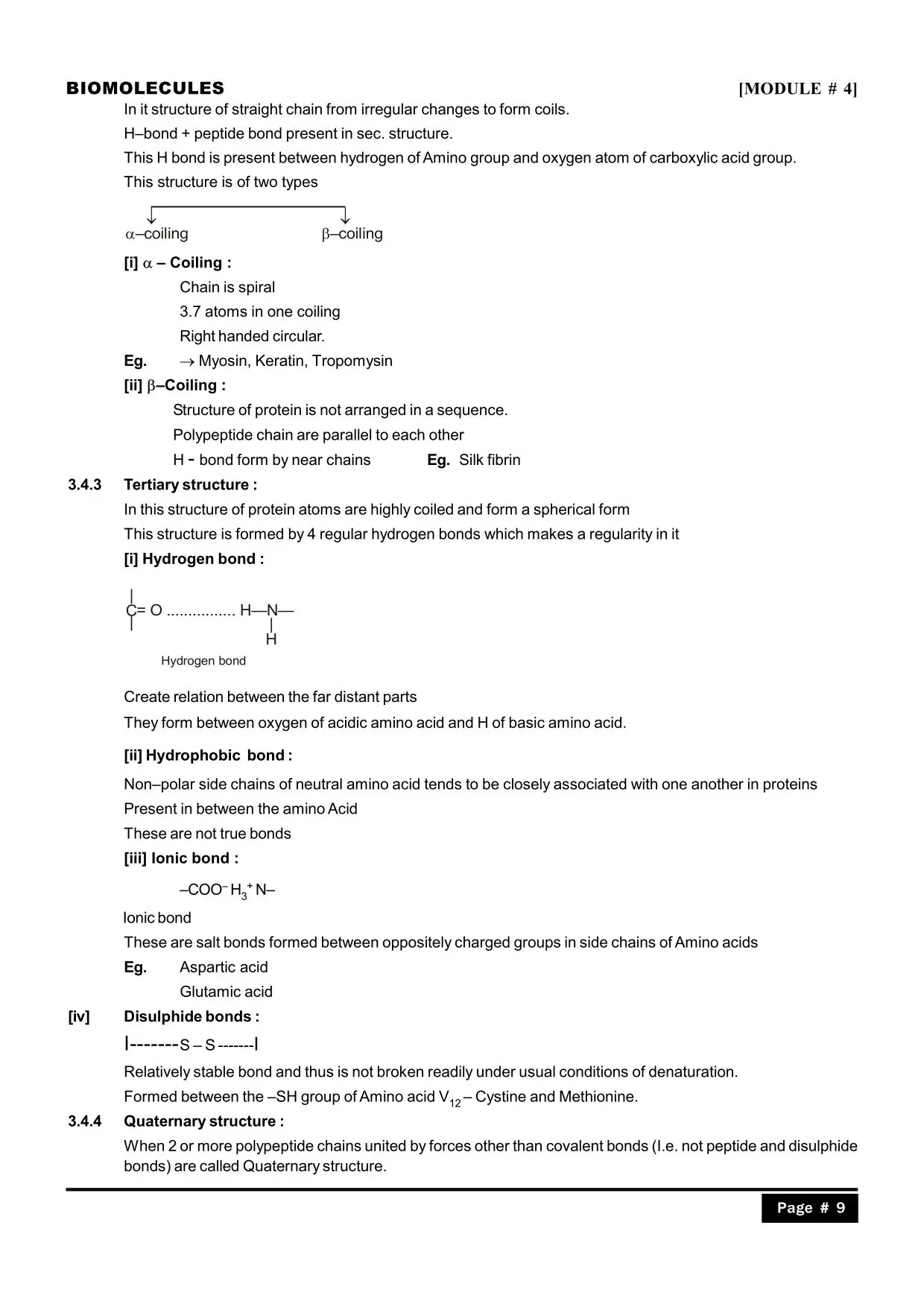
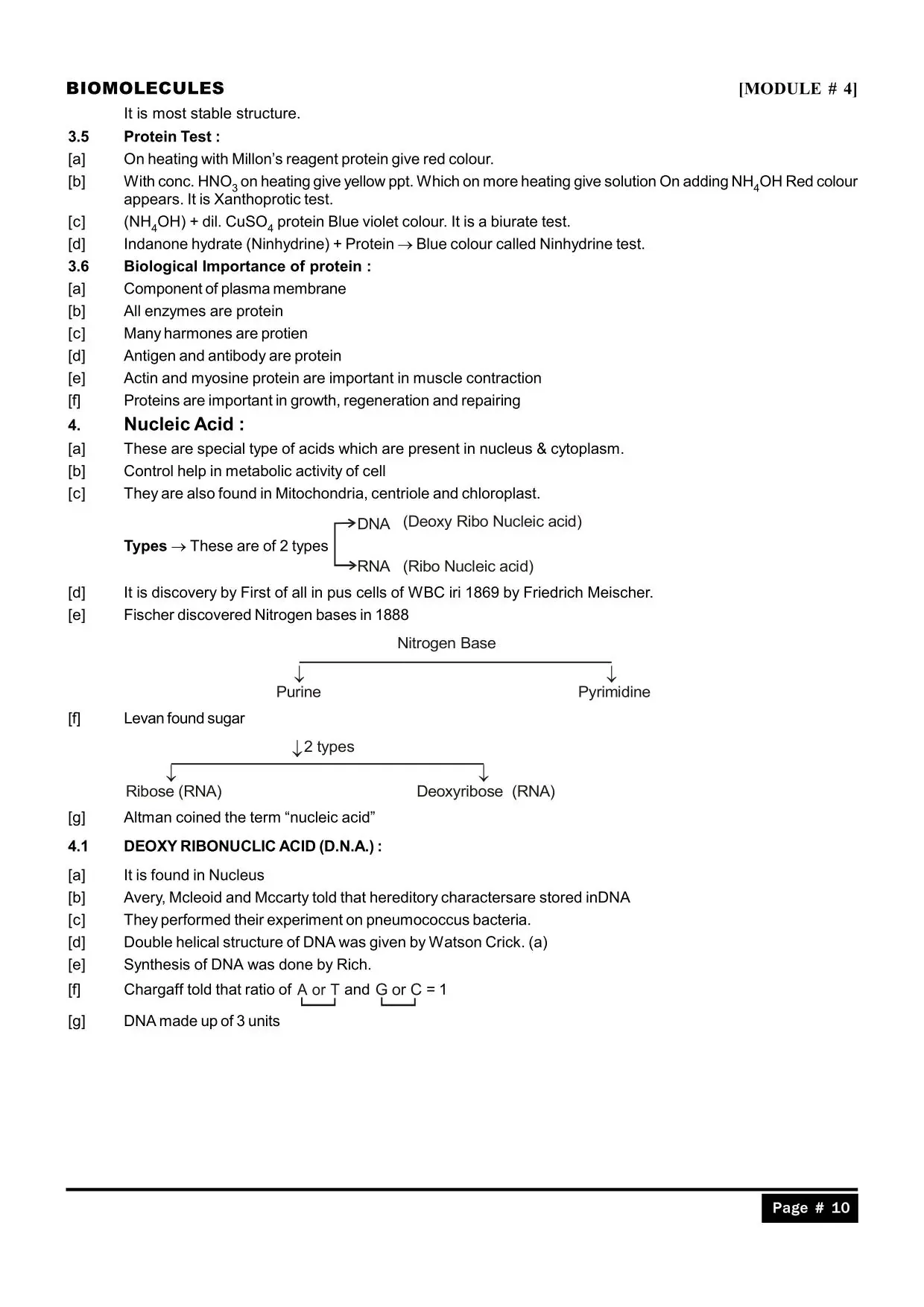
India's Best Exam Preparation for Class 12th - Download Now
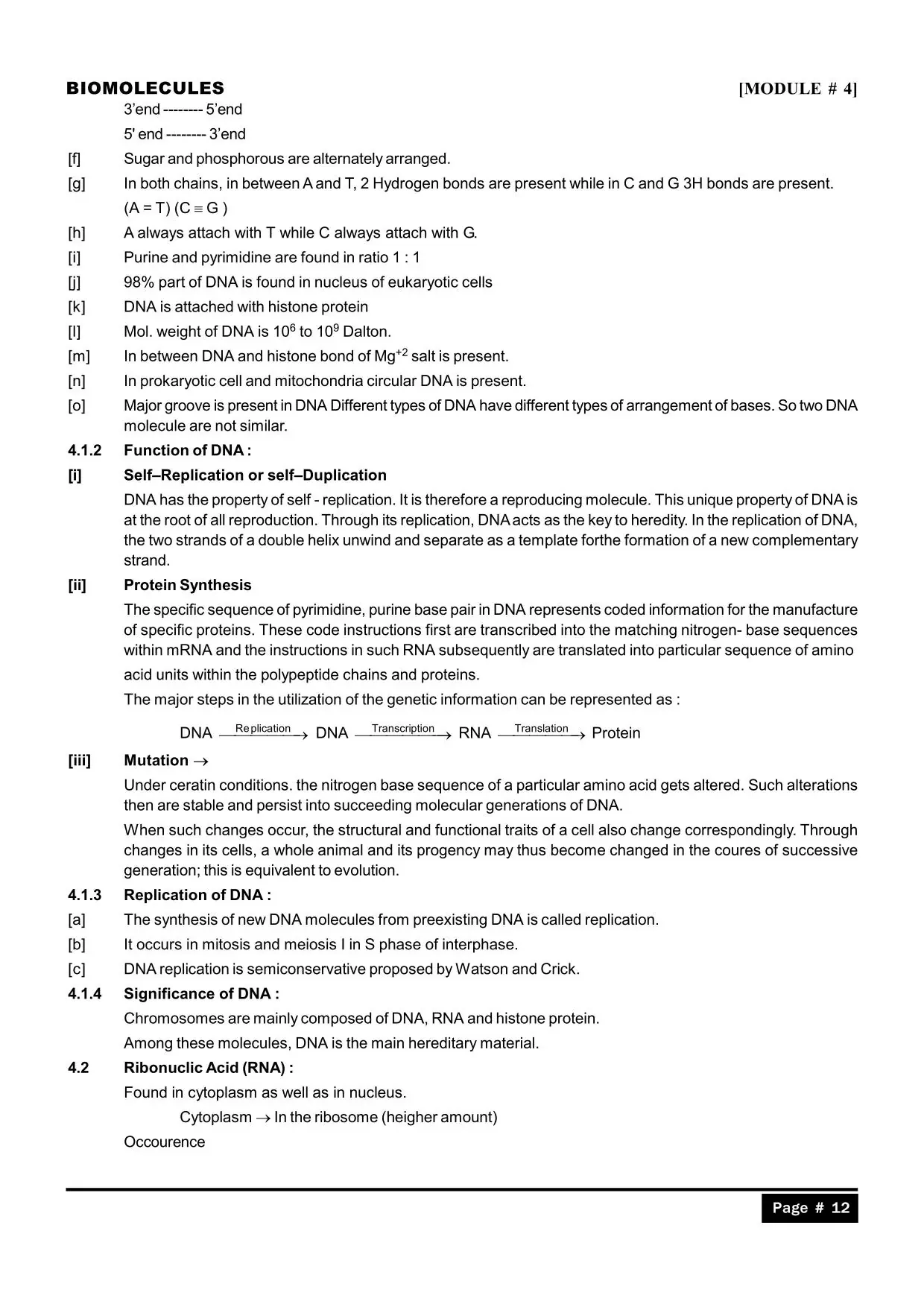
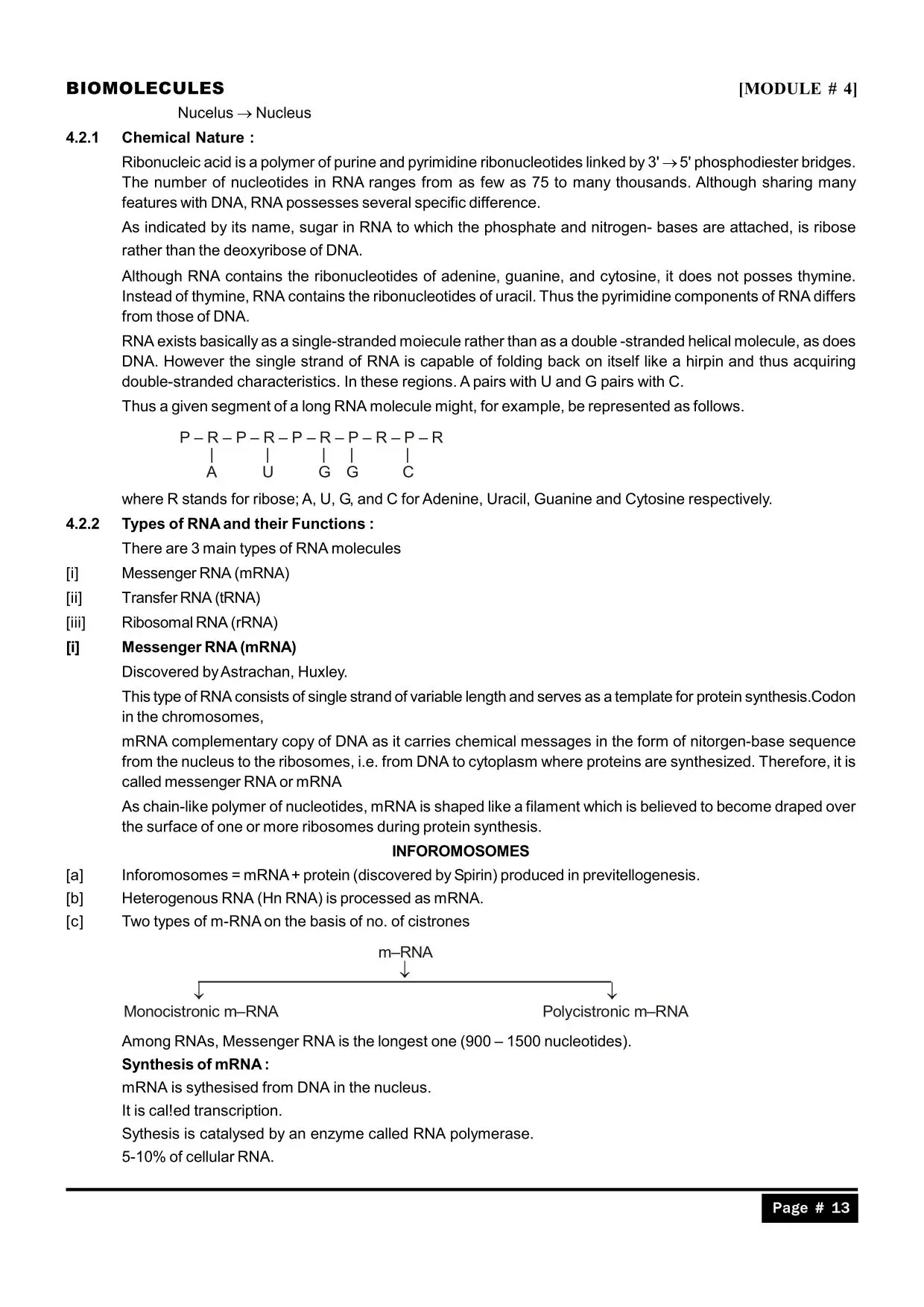
India's Best Exam Preparation for Class 12th - Download Now
Carbohydrates: Classification, Types and Key Facts
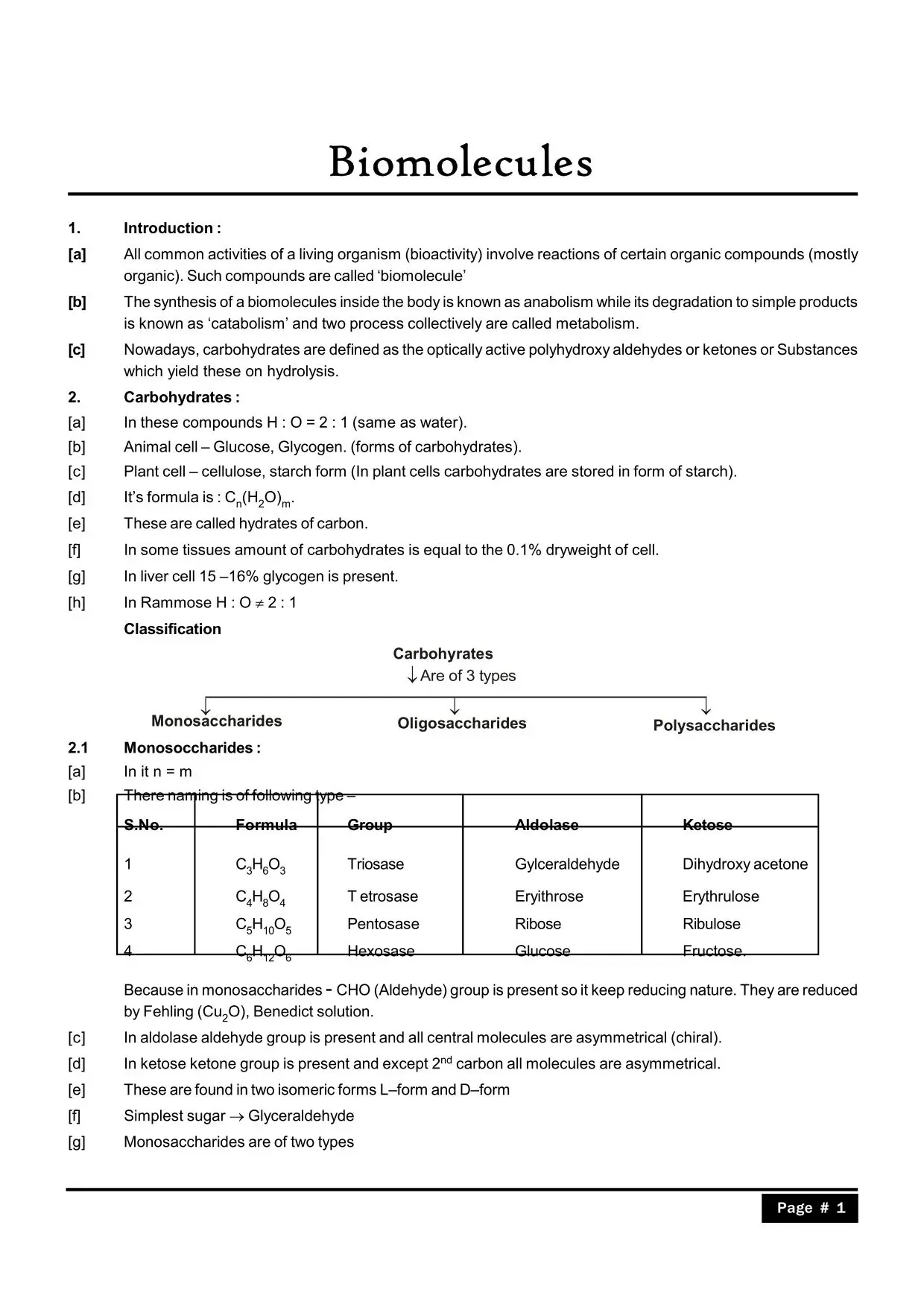
Carbohydrates are polyhydroxy aldehydes or ketones, or substances that produce such compounds on hydrolysis. They are the most abundant biomolecules in nature.
Classification by Hydrolysis
Type | Definition | Examples |
|---|---|---|
Monosaccharides | Cannot be hydrolysed further; simplest sugars | Glucose, Fructose, Galactose, Ribose |
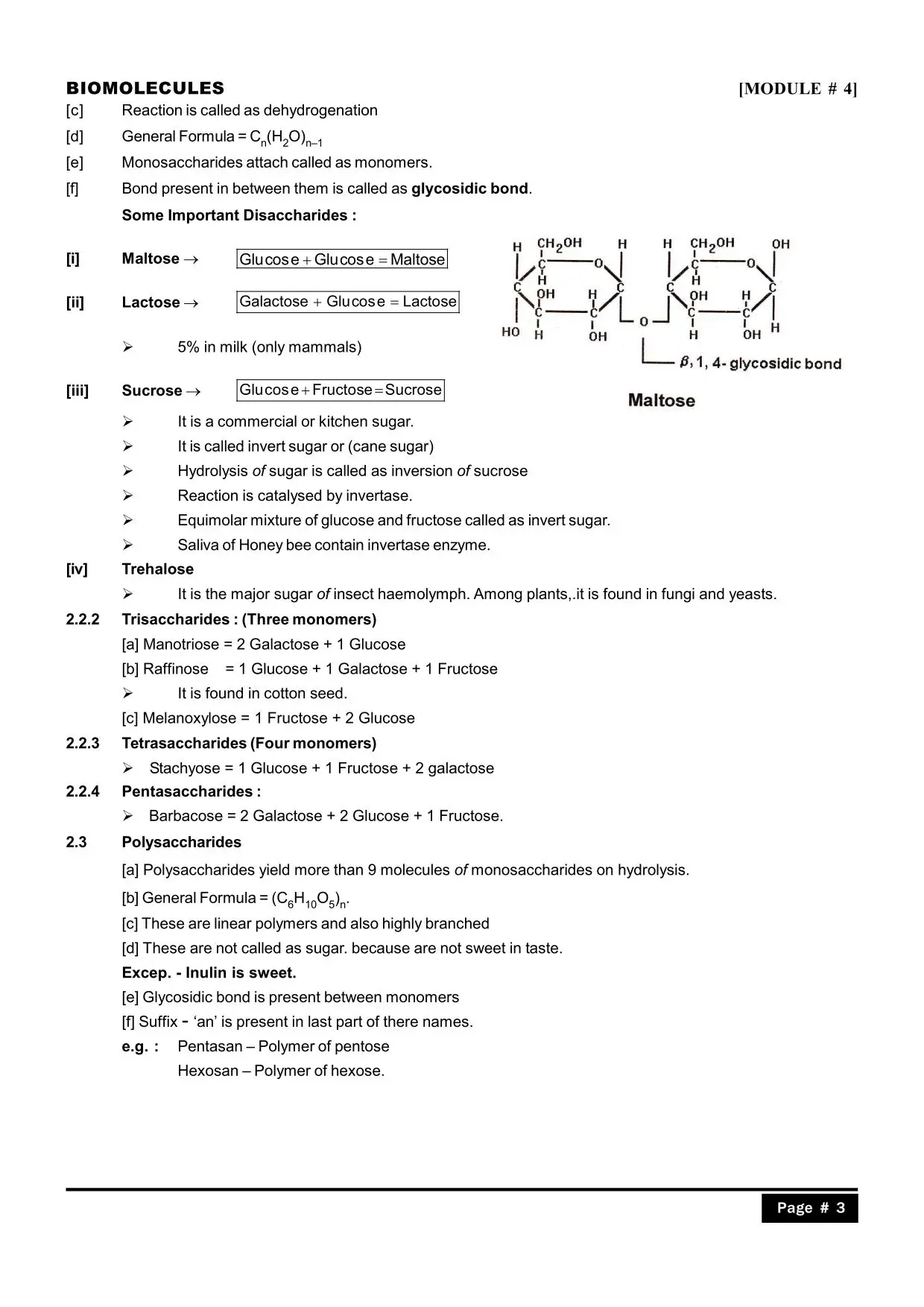
Disaccharides | Yield 2 monosaccharides on hydrolysis | Sucrose, Maltose, Lactose, Cellobiose |
Polysaccharides | Yield many monosaccharides on hydrolysis | Starch, Cellulose, Glycogen, Chitin |
Oligosaccharides | Yield 2–10 monosaccharides on hydrolysis | Raffinose (trisaccharide) |
Classification by Carbonyl Group
Type | Carbonyl Group | Example |
|---|---|---|
Aldoses | Aldehyde (−CHO) | Glucose (aldohexose), Ribose (aldopentose) |
Ketoses | Ketone (C=O) | Fructose (ketohexose) |
Reducing vs Non-Reducing Sugars — Critical for NEET and JEE
Category | Can Reduce Fehling's / Tollens'? | Examples |
|---|---|---|
Reducing sugars | Yes — free aldehyde or ketone group present | Glucose, Fructose, Maltose, Lactose, Galactose |
Non-reducing sugars | No — no free −CHO or C=O group | Sucrose (most tested non-reducing sugar) |
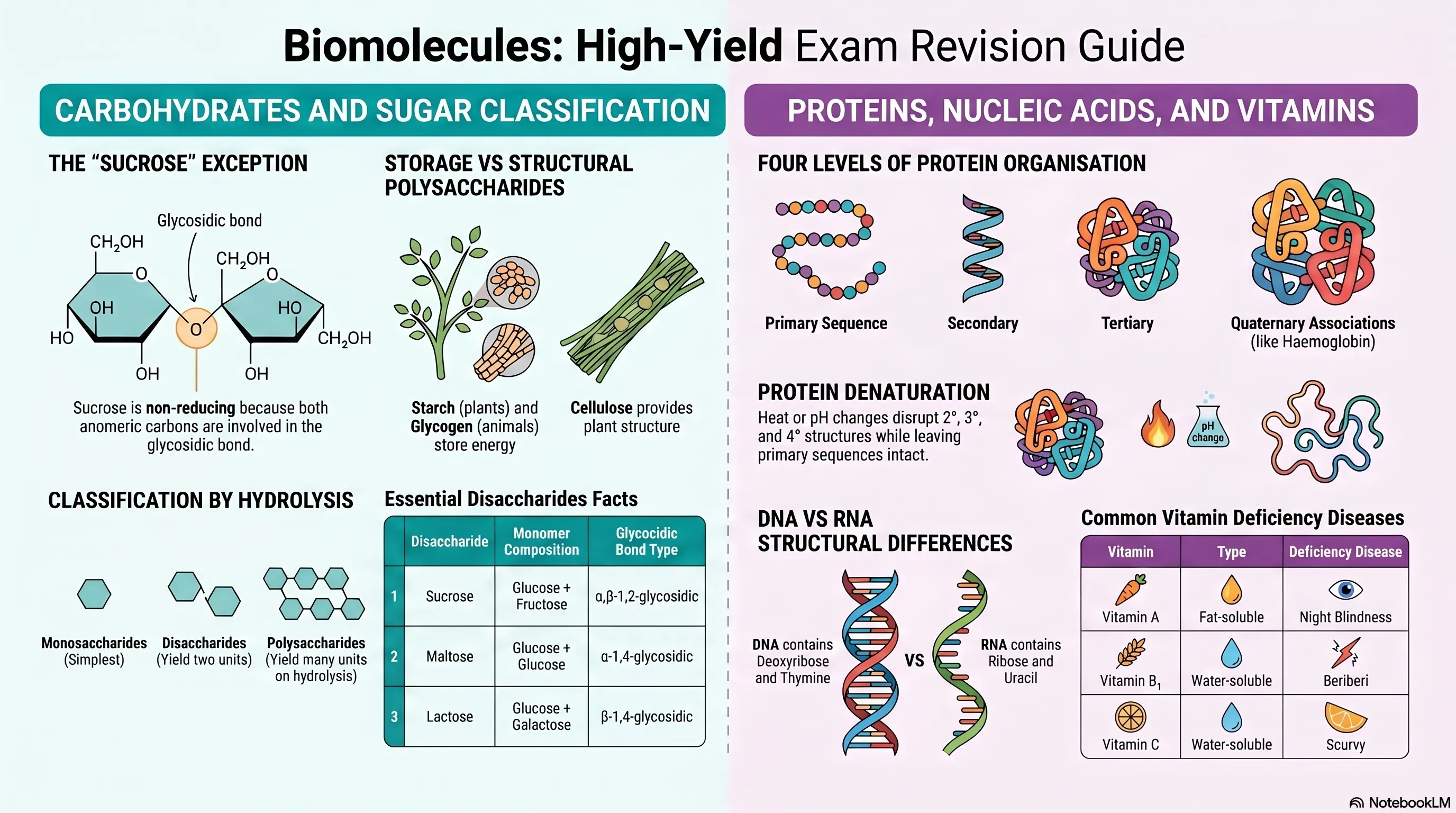
Key reason sucrose is non-reducing: In sucrose, both anomeric carbons of glucose and fructose are involved in the glycosidic bond — no free −CHO or active ketone group is available.
Important Disaccharides — Exam Facts
Disaccharide | Composed of | Bond Type | Reducing? |
|---|---|---|---|
Sucrose | Glucose + Fructose | α,β-1,2-glycosidic | No |
Maltose | Glucose + Glucose | α-1,4-glycosidic | Yes |
Lactose | Glucose + Galactose | β-1,4-glycosidic | Yes |
Cellobiose | Glucose + Glucose | β-1,4-glycosidic | Yes |
Important Polysaccharides
Polysaccharide | Monomer | Function |
|---|---|---|
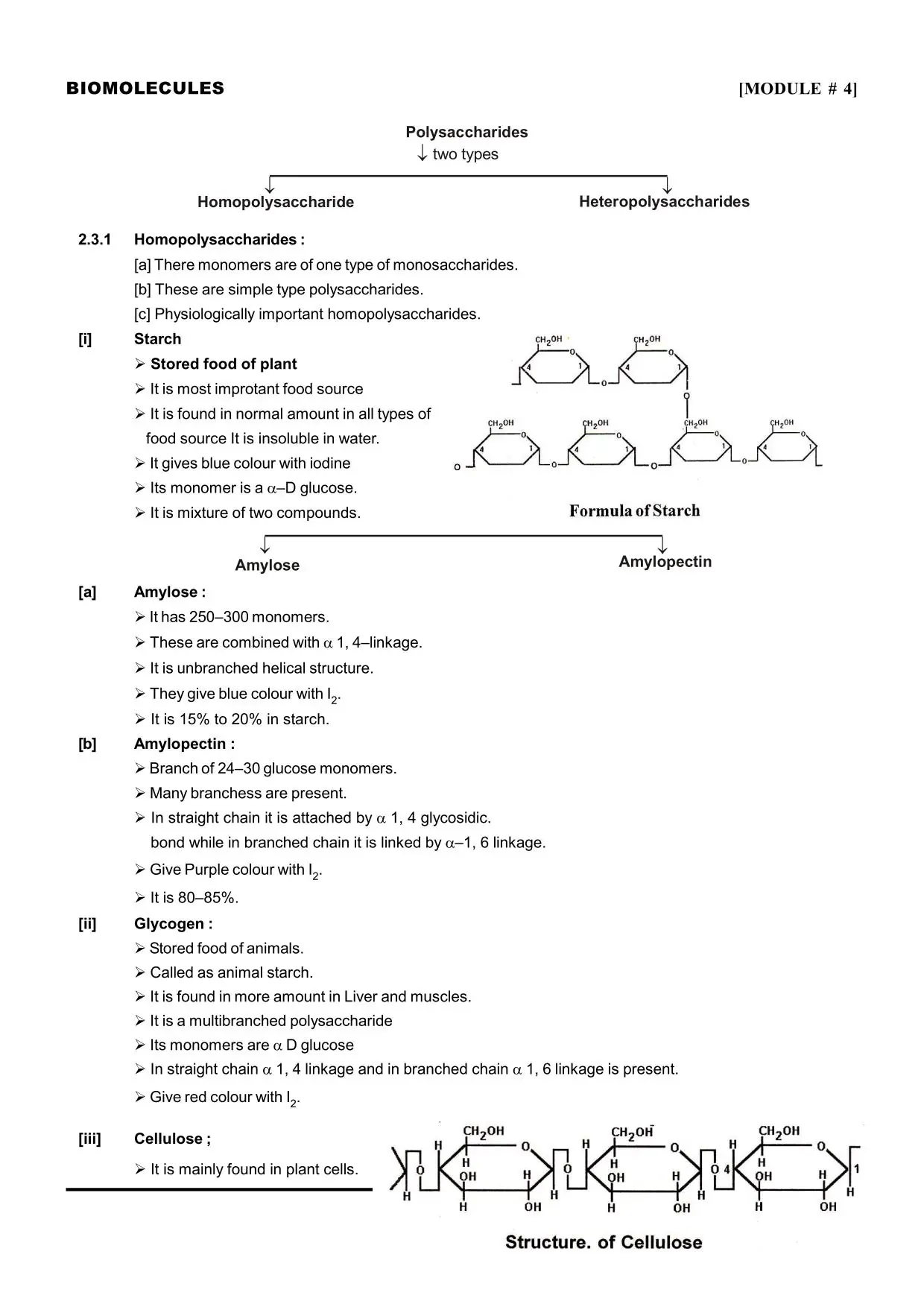
Starch | α-Glucose | Energy storage in plants; amylose (unbranched) + amylopectin (branched) |
Glycogen | α-Glucose | Energy storage in animals (liver and muscle); more branched than starch |
Cellulose | β-Glucose | Structural — cell walls of plants; humans cannot digest (no cellulase) |
Chitin | N-acetylglucosamine | Structural — exoskeleton of insects and crustaceans |
💡 Expert Tip by eSaral Chemistry Faculty: "The single most tested carbohydrate fact in NEET and JEE is: Sucrose is a non-reducing sugar because both anomeric carbons are involved in the glycosidic bond. The second most tested: starch (in plants) vs glycogen (in animals) as storage polysaccharides. The third: cellulose uses β-glycosidic bonds — which is why humans cannot digest it (we lack the enzyme β-glucosidase/cellulase)."
Proteins: Amino Acids, Structure and Denaturation
Proteins are polymers of α-amino acids joined by peptide bonds. They are the most functionally diverse biomolecules — acting as enzymes, hormones, structural components, antibodies, and transport molecules.
Amino Acids — Key Classification
Type | Definition | Examples |
|---|---|---|
Essential amino acids | Cannot be synthesised in the body; must come from diet | Valine, Leucine, Isoleucine, Lysine, Methionine, Phenylalanine, Threonine, Tryptophan (8 essential) |
Non-essential amino acids | Can be synthesised in the body | Glycine, Alanine, Serine, etc. |
Acidic amino acids | Side chain has −COOH | Aspartic acid, Glutamic acid |
Basic amino acids | Side chain has −NH₂ | Lysine, Arginine, Histidine |
Neutral amino acids | Side chain has neither | Glycine, Alanine |
Zwitter ion (dipolar ion): In aqueous solution, the −COOH group loses a proton and the −NH₂ group gains one, producing an internal salt: ⁺H₃N−CHR−COO⁻. This form exists at the isoelectric point.
Peptide Bond Formation
Amino acids are linked by peptide bonds (−CO−NH−) formed by condensation reaction between the −COOH of one amino acid and the −NH₂ of the next, with loss of water.
- Two amino acids → dipeptide (one peptide bond)
- Three amino acids → tripeptide (two peptide bonds)
- Many amino acids → polypeptide
Four Levels of Protein Structure
Level | Description | Stabilised By |
|---|---|---|
Primary | Sequence of amino acids in the polypeptide chain | Peptide bonds (covalent) |
Secondary | Coiling (α-helix) or folding (β-pleated sheet) of the chain | Hydrogen bonds between backbone −CO and −NH groups |
Tertiary | 3D folding of the entire polypeptide | Disulfide bonds, H-bonds, ionic interactions, hydrophobic interactions |
Quaternary | Association of two or more polypeptide chains | Same as tertiary; non-covalent interactions |
Example: Haemoglobin has quaternary structure (4 polypeptide chains — 2α + 2β subunits).
Denaturation of Proteins
Denaturation is the disruption of secondary, tertiary, and quaternary structure — without breaking peptide bonds. The primary sequence is preserved.
Causes of denaturation: heat, pH changes, heavy metal salts, organic solvents, urea.
Example: Coagulation of egg white on heating — the albumin protein denatures irreversibly.
Enzymes: Mechanism, Properties and Cofactors
Enzymes are biological catalysts — mostly proteins — that accelerate biochemical reactions by lowering the activation energy.
Key Enzyme Terminology
Term | Definition |
|---|---|
Active site | The specific region of the enzyme where substrate binds and reaction occurs |
Substrate | The molecule on which an enzyme acts |
Enzyme-substrate complex | The transient complex formed when substrate binds to the active site |
Cofactor | Non-protein component required for enzyme activity |
Coenzyme | Organic cofactor (e.g., vitamins — NAD⁺, FAD, coenzyme A) |
Prosthetic group | Cofactor tightly/permanently bound to the enzyme |
Apoenzyme | Protein part of an enzyme (inactive without cofactor) |
Holoenzyme | Apoenzyme + Cofactor = fully active enzyme |
Lock-and-Key vs Induced Fit Model
Model | Description |
|---|---|
Lock-and-Key (Fischer) | Active site has a rigid, pre-formed shape complementary to the substrate |
Induced Fit (Koshland) | Active site changes shape when substrate binds — more accurate model |
Properties of Enzymes
- Highly specific: each enzyme catalyses only one type of reaction (or acts on one type of substrate)
- Affected by temperature: activity increases with temperature up to an optimum; denatures above it
- Affected by pH: each enzyme has an optimum pH (e.g., pepsin works best at pH ~2; trypsin at pH ~8)
- Not consumed in the reaction — can be reused
- Can be inhibited: competitively (inhibitor resembles substrate) or non-competitively (inhibitor binds elsewhere)
Nucleic Acids: DNA and RNA Structure
Nucleic acids are polymers of nucleotides. They carry and express genetic information.
Nucleotide Structure
A nucleotide = Nitrogenous base + Pentose sugar + Phosphate group
DNA vs RNA — Comparison Table
Feature | DNA | RNA |
|---|---|---|
Sugar | Deoxyribose (2'-deoxyribose) | Ribose |
Bases | Adenine, Guanine, Cytosine, Thymine | Adenine, Guanine, Cytosine, Uracil |
Strands | Double-stranded (Watson-Crick double helix) | Single-stranded (mostly) |
Base pairing | A=T (2 H-bonds), G≡C (3 H-bonds) | A=U, G≡C |
Location | Nucleus (mainly), mitochondria, chloroplasts | Nucleus and cytoplasm |
Function | Stores and transmits genetic information | Protein synthesis (mRNA, tRNA, rRNA) |
Stability | More stable (no 2'-OH) | Less stable (2'-OH makes it susceptible to hydrolysis) |
Chargaff's Rules (DNA) — Tested in NEET
- In any DNA: [A] = [T] and [G] = [C]
- Therefore: [A] + [G] = [T] + [C] (purines = pyrimidines)
- The ratio [A+T]/[G+C] varies between species
Purine vs Pyrimidine Bases
Class | Bases | Structure |
|---|---|---|
Purines | Adenine (A), Guanine (G) | Double-ring structure |
Pyrimidines | Cytosine (C), Thymine (T), Uracil (U) | Single-ring structure |
Memory tip: PURe As Gold → Purines = Adenine and Guanine. Everything else (C, T, U) is pyrimidine.
Vitamins and Hormones: Quick Reference
Vitamins — Classification and Deficiency Diseases
Vitamin | Type | Deficiency Disease | Source |
|---|---|---|---|
A (Retinol) | Fat-soluble | Night blindness, Xerophthalmia | Liver, dairy, carrots |
B₁ (Thiamine) | Water-soluble | Beriberi | Whole grains, legumes |
B₂ (Riboflavin) | Water-soluble | Ariboflavinosis (cracked lips, inflamed tongue) | Milk, eggs |
B₃ (Niacin) | Water-soluble | Pellagra (dermatitis, diarrhoea, dementia) | Meat, fish, peanuts |
B₁₂ (Cobalamin) | Water-soluble | Pernicious anaemia | Meat, fish, dairy |
C (Ascorbic acid) | Water-soluble | Scurvy (bleeding gums, loose teeth) | Citrus fruits |
D (Calciferol) | Fat-soluble | Rickets (children), Osteomalacia (adults) | Sunlight, fish oil |
E (Tocopherol) | Fat-soluble | Sterility, muscular dystrophy | Vegetable oils, nuts |
K (Phylloquinone) | Fat-soluble | Impaired blood clotting | Green leafy vegetables |
Fat-soluble vitamins: A, D, E, K — memory: ADEK or fat DEKA
Water-soluble vitamins: B-complex and C
Exam Weightage: NEET, JEE Main and CBSE Boards
Exam | Questions / Marks | Most Tested Subtopics |
|---|---|---|
NEET UG (Biology + Chemistry) | 2–4 questions (~8–16 marks combined) | Reducing/non-reducing sugars, protein structure levels, DNA vs RNA, enzyme terminology, vitamin deficiency diseases |
JEE Main | 1–2 questions (~4–8 marks) | Reducing sugars, glycosidic bonds, amino acid classification, peptide bonds |
CBSE Board | 4–5 marks | Definitions, classification tables, DNA vs RNA comparison, enzyme mechanism |
Most Repeated NEET Topics from Biomolecules (Last 8 Years)
Topic | Times Appeared in NEET (2017–2024) |
|---|---|
Reducing vs Non-reducing sugars | 7 |
DNA vs RNA comparison | 6 |
Protein structure levels | 5 |
Enzyme terminology (cofactor, coenzyme, holoenzyme) | 5 |
Vitamin deficiency diseases | 6 |
Essential amino acids | 4 |
Glycogen vs Starch vs Cellulose | 4 |
Key Facts and Quick Revision Table
Use this table the night before your exam or mock test for a rapid 10-minute revision.
Concept | Key Fact to Remember |
|---|---|
Sucrose | Non-reducing sugar — both anomeric carbons in glycosidic bond |
Maltose | Reducing sugar — α-1,4-glycosidic bond; glucose + glucose |
Lactose | Reducing sugar — β-1,4-glycosidic bond; glucose + galactose |
Starch | Storage in plants; amylose (unbranched) + amylopectin (branched) |
Glycogen | Storage in animals; more branched than starch |
Cellulose | β-glycosidic bonds; structural; humans cannot digest |
Chitin | N-acetylglucosamine; insect exoskeleton |
Zwitter ion | Internal salt of amino acid; both −COOH and −NH₂ ionised |
Peptide bond | −CO−NH− bond; formed by condensation (loss of water) |
Denaturation | Disrupts 2°, 3°, 4° structure; peptide bonds intact; primary sequence preserved |
DNA sugar | 2'-Deoxyribose (no −OH at 2' position) |
RNA sugar | Ribose (−OH at 2' position) |
DNA-specific base | Thymine (T) — replaced by Uracil (U) in RNA |
A=T bond | 2 hydrogen bonds |
G≡C bond | 3 hydrogen bonds |
Chargaff's rule | [A]=[T], [G]=[C] in DNA |
Fat-soluble vitamins | A, D, E, K |
Scurvy | Vitamin C deficiency |
Rickets | Vitamin D deficiency |
Beriberi | Vitamin B₁ deficiency |
Pellagra | Vitamin B₃ deficiency |
Holoenzyme | Apoenzyme + Cofactor |
How to Study Biomolecules for Maximum Marks
Step-by-Step Study Plan
Step 1 — Read NCERT Chapter 14 completely once (Day 1) Every single Biomolecules question in NEET and CBSE Board traces back to a specific NCERT line, table, or diagram. Read the chapter without skipping — especially the classification tables for carbohydrates, vitamins, and nucleic acid comparison.
Step 2 — Make four classification tables (Day 1–2) Create these four tables from memory after reading NCERT:
- Carbohydrate classification (mono/di/poly + reducing/non-reducing)
- Protein structure levels (primary to quaternary + stabilising forces)
- DNA vs RNA comparison (sugar, bases, strands, function, location)
- Vitamin classification (fat/water-soluble + deficiency disease + chemical name)
These four tables cover approximately 80% of all Biomolecules questions in NEET.
Step 3 — Memorise enzyme terminology (Day 2) Learn the definitions of: apoenzyme, coenzyme, cofactor, prosthetic group, holoenzyme, active site, and the difference between Lock-and-Key and Induced Fit models. These definitions are tested directly in NEET as one-line identification questions.
Step 4 — Solve NEET PYQs from Biomolecules (Day 3) Access the complete NEET chapter-wise PYQ collection on eSaral and solve all Biomolecules questions year-wise from 2024 to 2017. You will quickly confirm that the same 6–7 topic areas produce almost all questions — and your four tables from Step 2 will answer most of them.
Step 5 — Revise the Quick Revision Table weekly (ongoing) Spend 10 minutes once a week reading through the Quick Revision Table in this article. This chapter contains a high density of individual facts — weekly spaced repetition is the fastest way to keep them all accessible under exam conditions.
For a quick fact-check on the molecule central to this topic, the Formula of Glucose page has it in one place.
🚀 Checkout eSaral Courses
Frequently Asked Questions
What are the important topics in Biomolecules Class 12 for NEET?
The highest-frequency NEET topics are: reducing vs non-reducing sugars (sucrose is non-reducing), DNA vs RNA comparison (bases, sugar, strands), protein structure levels (primary to quaternary), enzyme terminology (cofactor, coenzyme, holoenzyme), and vitamin deficiency diseases. These five areas account for roughly 80% of all Biomolecules questions in NEET over the last 8 years.
Why is sucrose a non-reducing sugar?
In sucrose, the glycosidic bond forms between the anomeric carbon of glucose (C1) and the anomeric carbon of fructose (C2). Both free −CHO (of glucose) and the free ketone (of fructose) are involved in bond formation — there is no free aldehyde or active ketone group remaining. Without a free reducing group, sucrose cannot reduce Fehling's solution or Tollens' reagent.
What is the difference between DNA and RNA?
DNA uses deoxyribose sugar, has thymine as a base, is double-stranded, and is primarily located in the nucleus — its function is genetic information storage and transmission. RNA uses ribose sugar, has uracil instead of thymine, is mostly single-stranded, and is found in both nucleus and cytoplasm — its function is protein synthesis. DNA is more chemically stable than RNA because the absence of the 2'-OH group reduces susceptibility to hydrolysis.
What is the difference between apoenzyme, coenzyme and holoenzyme?
An apoenzyme is the inactive protein portion of an enzyme. A coenzyme is the organic non-protein cofactor required for activity (often a vitamin derivative, e.g., NAD⁺ from Vitamin B₃, FAD from Vitamin B₂). A holoenzyme is the fully active enzyme: apoenzyme + cofactor together. Without the cofactor, the apoenzyme alone has no catalytic activity.
Which vitamins are fat-soluble and which are water-soluble?
Fat-soluble vitamins are A, D, E, and K — remembered as ADEK. They are stored in body fat and the liver and can accumulate to toxic levels if over-supplemented. All B-complex vitamins and Vitamin C are water-soluble — they are not stored in large amounts and excess is excreted in urine.
Team eSaral
eSaral Academic and Editorial Team
Team eSaral is the collective author profile for educational content created by eSaral’s teachers and academic contributors. The team draws on expertise from IIT graduates, doctors, experienced educators and subject specialists to develop resources for JEE, NEET and school students. Our articles aim to explain concepts clearly and help students study with confidence.
Related Posts
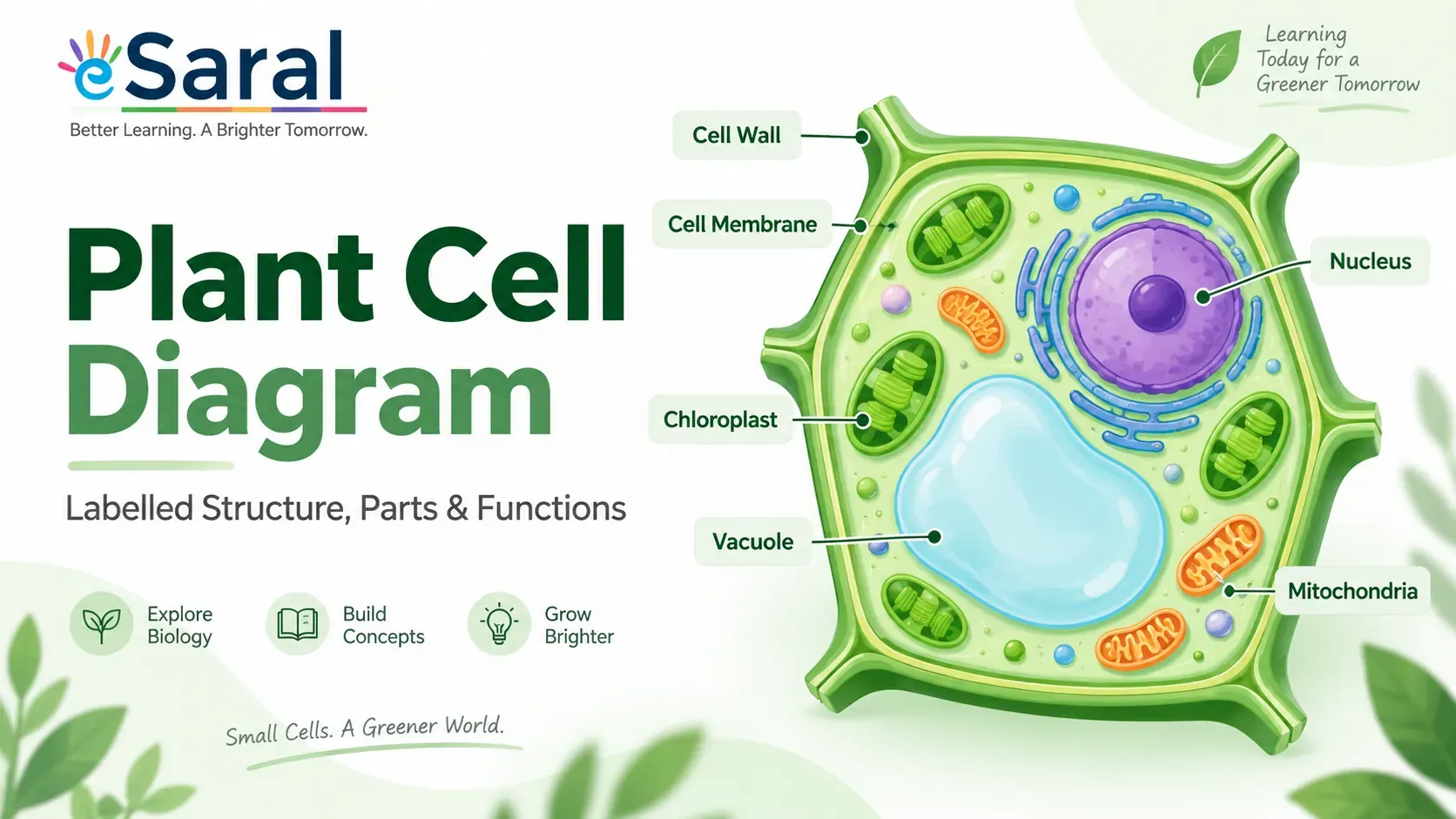
Plant Cell Diagram: Labelled Structure, Parts and Functions
Simple, labelled plant cell diagram with parts and functions. Covers plant cell structure for Class 6, 7, 8, 9, 10 and 11 students, CBSE-aligned.
Saransh Gupta Sir's Visit to IIT Patna: Hostel Life, Placements & Lessons for JEE Aspirants
Inside Saransh Gupta Sir's IIT Patna visit — hostel life, the library, placements, internships, and real advice for JEE aspirants from students living the IIT dream.
Molality Formula: Formula for Molality, Derivation & Solved Examples
Molality formula is $m = \dfrac{n}{W}$. Learn the formula of molality, its SI unit, derivation, relation with molarity, and solved examples for Class 11, JEE and NEET.
BITSAT Previous Year Question Paper PDF
Download BITSAT previous year question papers PDF. Get year-wise BITSAT PYQs, memory-based papers, exam pattern, and preparation tips to improve your BITSAT preparation.

Teachers’ Day 2026 at eSaral Gurukul: Celebrating the Bond Between Students, Teachers & Mentors
See how Teachers’ Day 2026 was celebrated at eSaral Gurukul, reflecting the bond among students, teachers, and mentors, and the role of guidance beyond academics.
JEE Advanced Attempts: Can You Give It a Third Time? Rules Explained
JEE Advanced attempts: current rule is 2 consecutive years only: full eligibility criteria, the 2025 third-attempt controversy, and the latest 2026 petition news.
Best JEE Preparation App
Best JEE preparation app for Main & Advanced: AI mock tests, live doubt-solving, thousands of practice questions. JEE preparation app for droppers & Class 11-12.
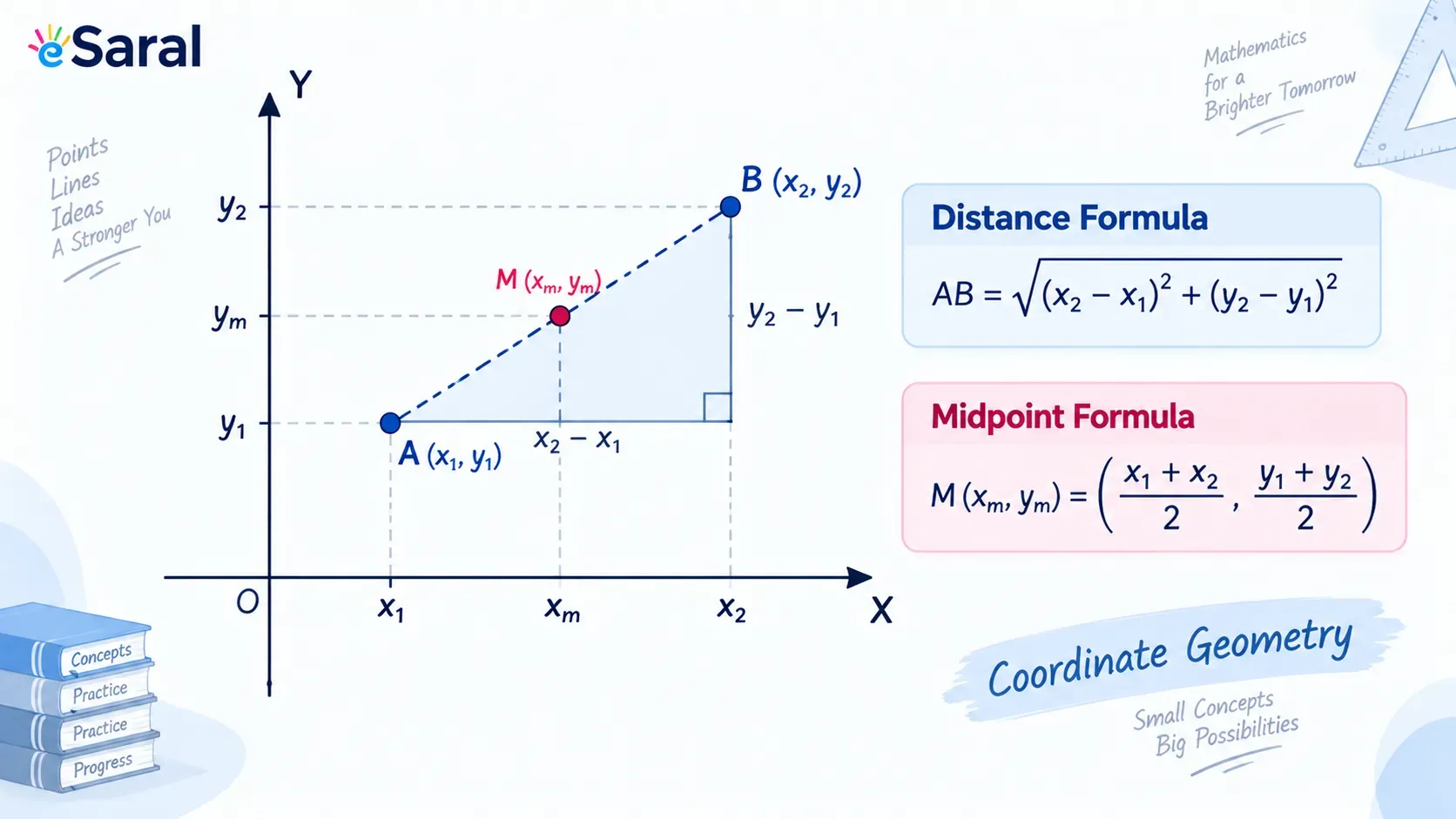
Coordinate Geometry Class 10: Formulas, Notes & Solved Examples
Coordinate geometry class 10: complete CBSE formulas — distance, section, midpoint and area of triangle — with derivation, notes and solved examples.
How to make Notes For JEE Smart Notes Strategy of an AIR 41
Learn how to make notes for JEE the way toppers do — indexing, shorthand, and smart short notes for JEE that cut revision time to just 5–7 days.
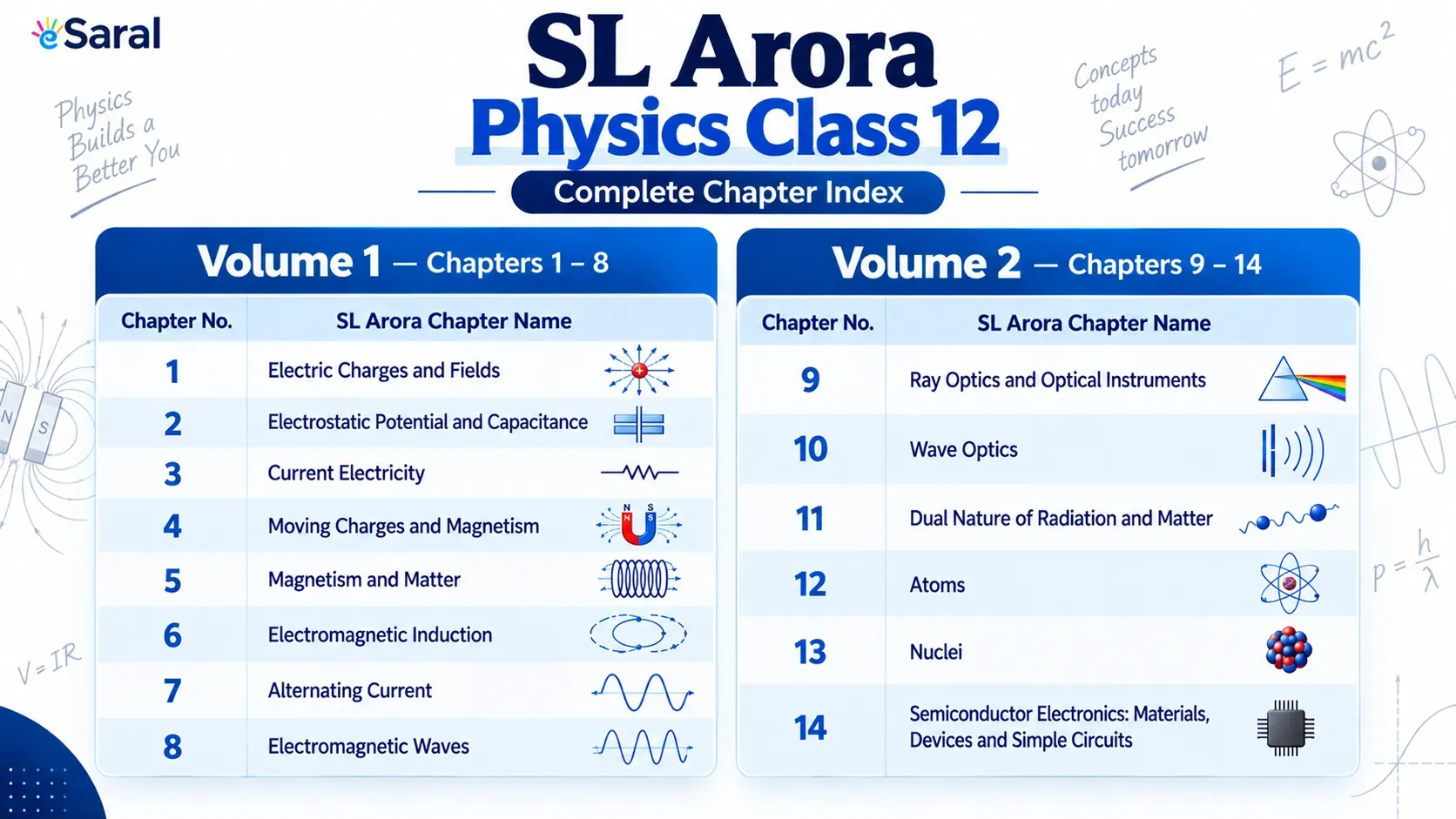
SL Arora Physics Class 12 Index – Chapter List for Volume 1 & 2
SL Arora Physics Class 12 index — complete chapter list for Volume 1 & 2, mapped to NCERT solutions for board, JEE Main, and NEET preparation.