
NCERT Solutions Class 12 Chemistry - Chapter 10 Biomolecules - PDF Download

eSaral Academic and Editorial Team
NCERT solutions for chapter 10 of chemistry syllabus of class 12 is designed to provide students with the necessary knowledge and understanding of the biomolecules topic.
Biomolecules are the non-living atoms and molecules that make up all living things. In Class 12 Chemistry, NCERT Solutions Chapter 10 deals with biomolecules and provides a comprehensive overview of this chapter and answers all the questions asked in the exercises.
To gain a comprehensive understanding of these topics, it is recommended that students access these solutions, which are written in simple language to make it easier to understand. The solutions for class 12 chemistry are prepared by eSaral’s subject expert teachers.
Once you’ve completed this unit, you’ll be able to:
- Explain the properties of biological molecules such as carbohydrate, protein, and nucleic acid and hormonal molecules
- Classify biological molecules such as carbohydrates, protein, nucleic acid and vitamins according to the basis of their structure
- Defining the distinction between DNA and RNA
- Explain the role of biological molecules in the biological system
Sections Covered in Chapter 10 - Biomolecules
Section Name | Topic Name |
10 | Biomolecules |
10.1 | Carbohydrates |
10.2 | Proteins |
10.3 | Enzymes |
10.4 | Vitamins |
10.5 | Nucleic Acids |
10.6 | Hormones |
10.1 Carbohydrates: Carbohydrate is a group of organic compounds that are mainly produced by plants. Some examples of carbohydrates include cane sugar and glucose and starch.
Following subtopics have been discussed in this topic
- Classification of carbohydrates
- Monosaccharides
- Disaccharides
- Polysaccharides
- Importance of carbohydrates
10.2 Proteins: Proteins are one of the most abundant biological molecules in the living system. The main sources of protein are milk, cheeses, pulses, nuts, fish, meats, etc. Proteins are present in all parts of the body and are essential for the building and functioning of the body. They are also necessary for the growth and maintenance of the body.
Following subtopics have been discussed in this topic
- Amino acids
- Classification of amino acids
- Structure of proteins
- Denaturation of proteins
10.3 Enzymes: Life is possible because different chemical reactions are coordinated in living organisms. For example, food digestion, the absorption of suitable molecules and the generation of energy are all part of this process. In this section, enzymes and mechanisms of enzyme action have been discussed.
10.4 Vitamins: Vitamins are organic compounds that are found in very small amounts in our body but lack them leads to certain diseases. In this section, vitamins and classification of vitamins have been discussed.
10.5 Nucleic Acids: The molecules in the cell’s nucleus that are responsible for heredity. are called chromosomes, which are composed of proteins and another type of biomolecules called nucleic acids. In this section, nucleic acids and chemical composition of nucleic acids, structure of nucleic acids and biological functions of nucleic acids have been discussed.
10.6 Hormones: Hormone molecules are molecules that serve as intermediaries between cells. These hormones are produced by the body's endocrine glands and are released directly into the bloodstream, which carries them to the desired area of action.
Key Features of Class 12 Chemistry Chapter 10
- Carbohydrates, also known as polyhydroxy acids or ketones, are optically active molecules that provide functional units upon hydrolysis. There are three main categories of carbohydrates: monosaccharides and disaccharides, as well as polysaccharides. Glucose, mammals' primary source of energy, is obtained through the digestion of starch, and monosaccharide molecules are joined together through glycosidic bonds to form disaccharides or polysaccharides.
- A deficiency of vitamins is a risk factor in the development of a variety of diseases. Vitamins are essential food factors that must be incorporated into the diet. Vitamins come in two different types: fat-soluble and water-soluble. Fat soluble vitamins are A,D,E and K, while water soluble vitamins are B group and C.
- Nucleic acids, also known as nucleotides, are polymers made up of a base, a pentose sugar and a phosphate moiety.
- Nucleic acids play an important role in the transfer of character from parent to child. There are two kinds of nucleic acids: DNA and RNA. DNA is made up of a 5-carbon sugar molecule called 2–deoxyribose, while RNA is made up of ribose. DNA contains adenine, while RNA contains guanine and cytosine. A fourth base in DNA is thymine, while a fourth base in RNA is uracil. DNA is a double-stranded molecule, while RNA is a single-stranded molecule.
- DNA is the chemical basis for heredity and carries the encoded message for the synthesis of proteins in the cell.
Benefits of NCERT Solutions for Class 12 Chemistry Chapter 10 PDF Download
NCERT solutions for class 12 chemistry chapter 10 “biomolecules” by eSaral offer several advantages for students studying this topic which are given below:
- Accurate & Comprehensive: The NCERT solutions provided by eSaral provide correct and complete answers to all questions in the textbook.
- Clear Explanations & Solutions: These NCERT solutions provide clear explanations & solutions that match the concepts that are taught in the class.
- Complex Concepts & Explanations: Chapter 10 “Biomolecules” deals with the complex biochemical concepts such as carbohydrates, protein, nucleic acid, lipids etc.
- Easier to Understand & Clarify: The NCERT solution is often structured step by step, making it easy for students to understand and follow the logic & process of solving the problems.
- Time management: eSaral’s NCERT solutions help students to effectively solve questions in order to better manage their time during exams. Students can learn how to allocate the appropriate amount of time for different types of questions according to their level of difficulty.
- Exam preparation: Practicing with these solutions will help you to gain confidence in your biomolecular knowledge and improve your exam performance.
- Visual aids: Some of the more complex biomolecular structure and reactions can be easily understood with diagrams, graphs and visual aids. The solutions often contain these visual aids to help improve comprehension.Revision: These solutions act as a useful revision tool for students. They can revisit the solutions while revising a chapter to make sure they have a good understanding of the concepts.
Frequently Asked Questions
Question 1: What are biomolecules?
Answer 1: Biomolecules are the molecules that are necessary for the functioning of life and are found in all living things. Bio-molecules include carbohydrate molecules, lipids molecules, proteins molecules, nucleic acids that are involved in various biological processes
Question 2: How are proteins built from amino acids?
Answer 2: The structure of proteins is determined by the sequence of amino acids associated with them. The sequence of amino acids determines the structure and function of the protein. Proteins are synthesized through two steps: transcription and translation.
Team eSaral
eSaral Academic and Editorial Team
Team eSaral is the collective author profile for educational content created by eSaral’s teachers and academic contributors. The team draws on expertise from IIT graduates, doctors, experienced educators and subject specialists to develop resources for JEE, NEET and school students. Our articles aim to explain concepts clearly and help students study with confidence.
Related Posts
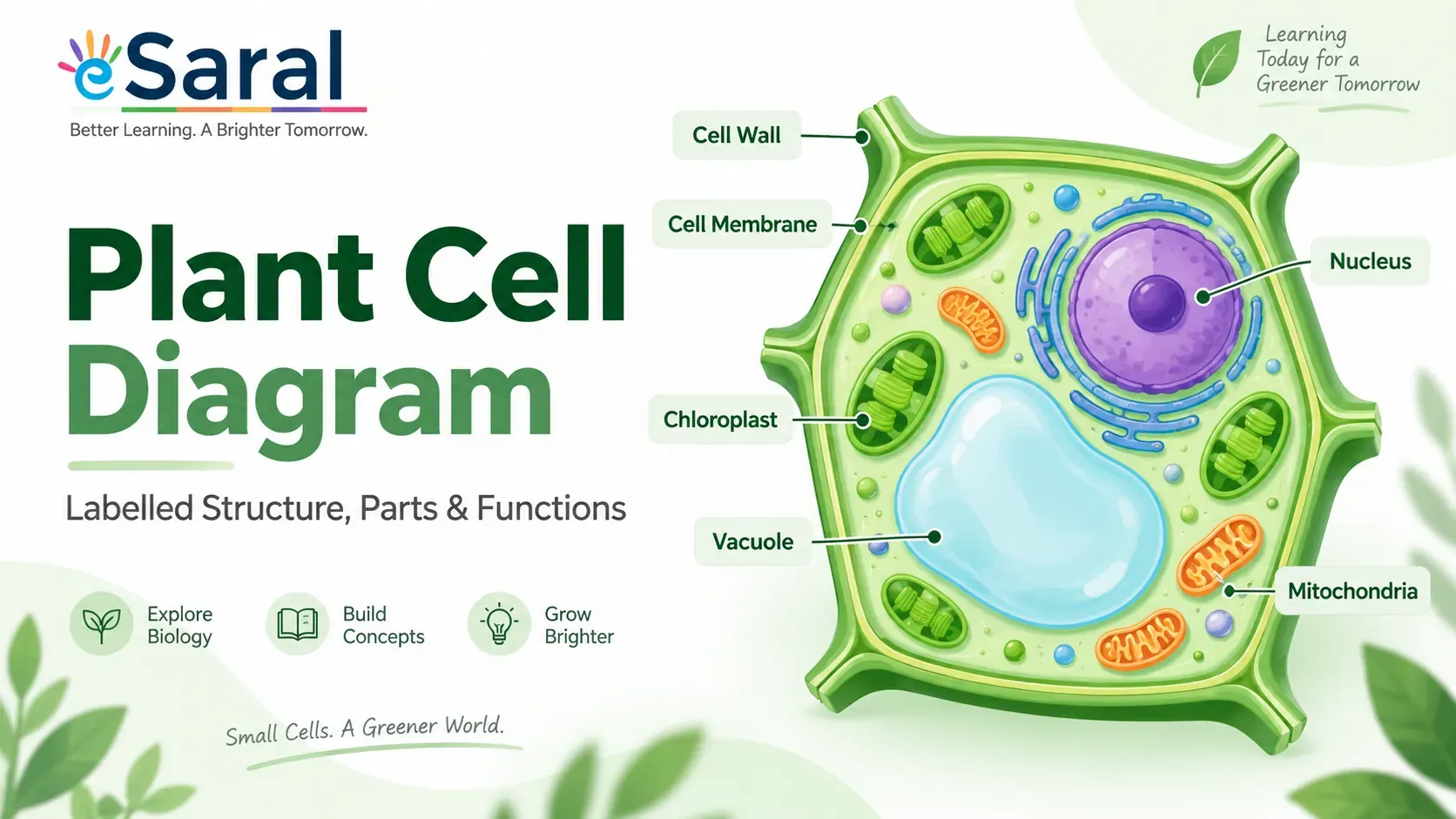
Plant Cell Diagram: Labelled Structure, Parts and Functions
Simple, labelled plant cell diagram with parts and functions. Covers plant cell structure for Class 6, 7, 8, 9, 10 and 11 students, CBSE-aligned.
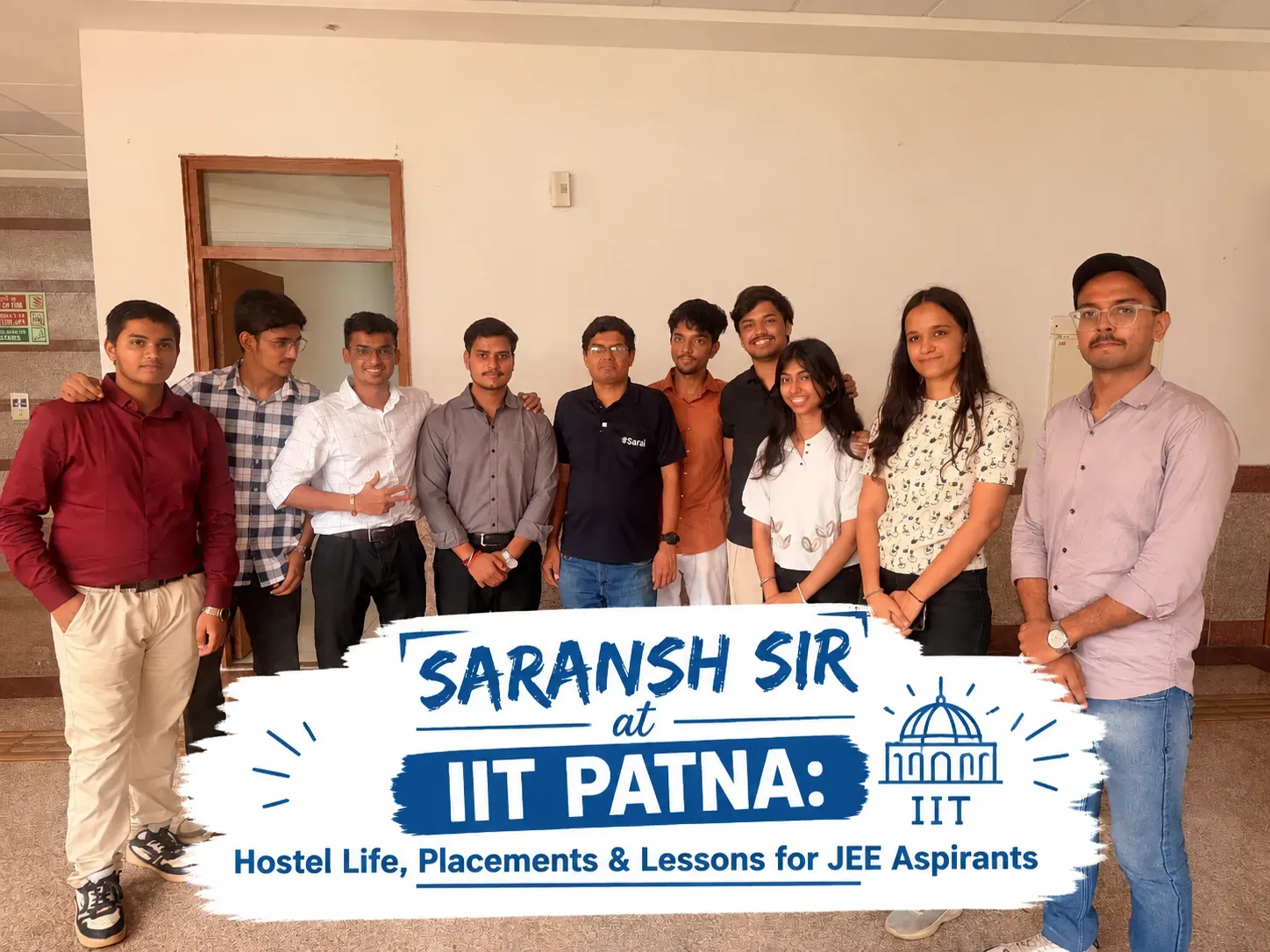
Saransh Gupta Sir's Visit to IIT Patna: Hostel Life, Placements & Lessons for JEE Aspirants
Inside Saransh Gupta Sir's IIT Patna visit — hostel life, the library, placements, internships, and real advice for JEE aspirants from students living the IIT dream.
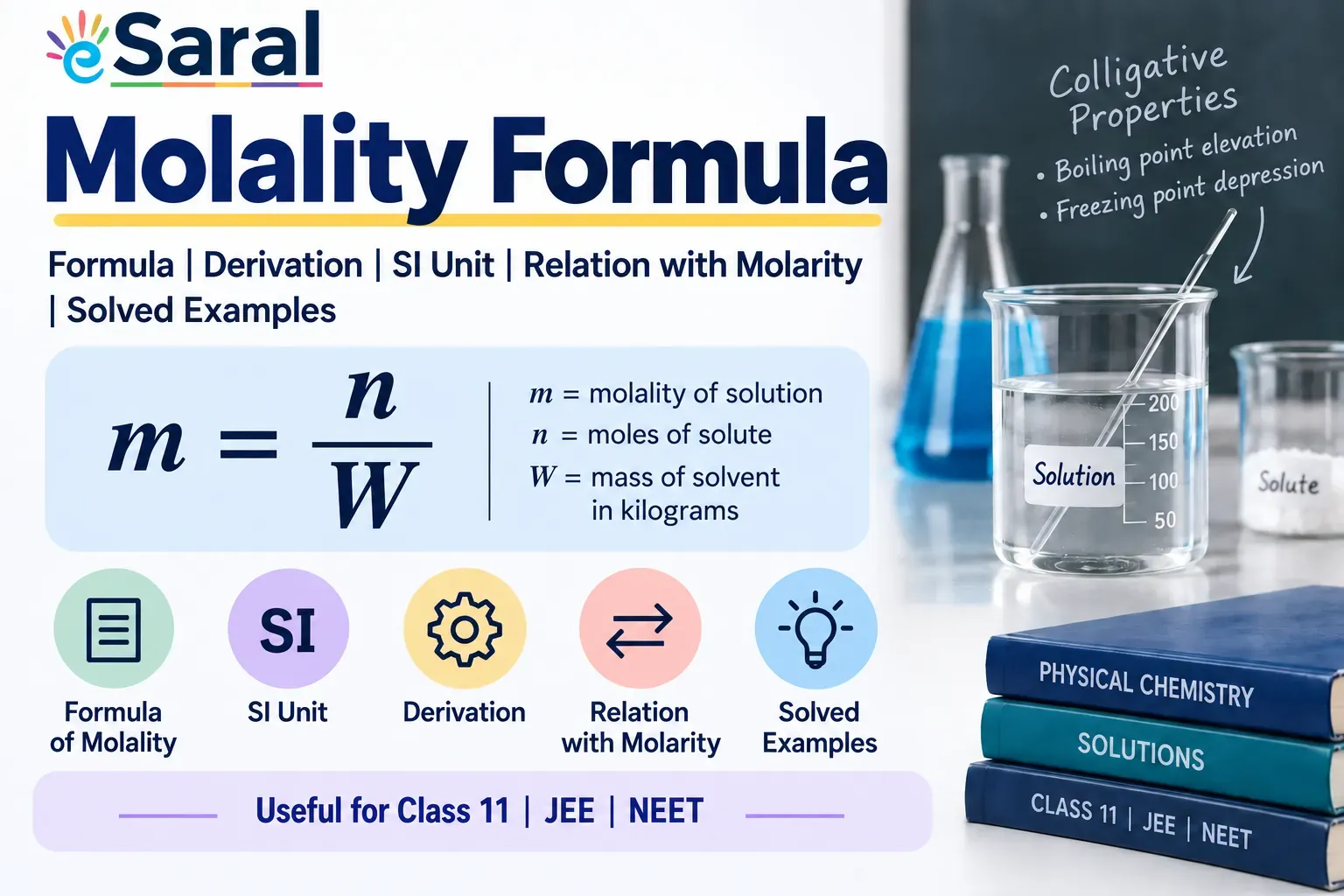
Molality Formula: Formula for Molality, Derivation & Solved Examples
Molality formula is $m = \dfrac{n}{W}$. Learn the formula of molality, its SI unit, derivation, relation with molarity, and solved examples for Class 11, JEE and NEET.
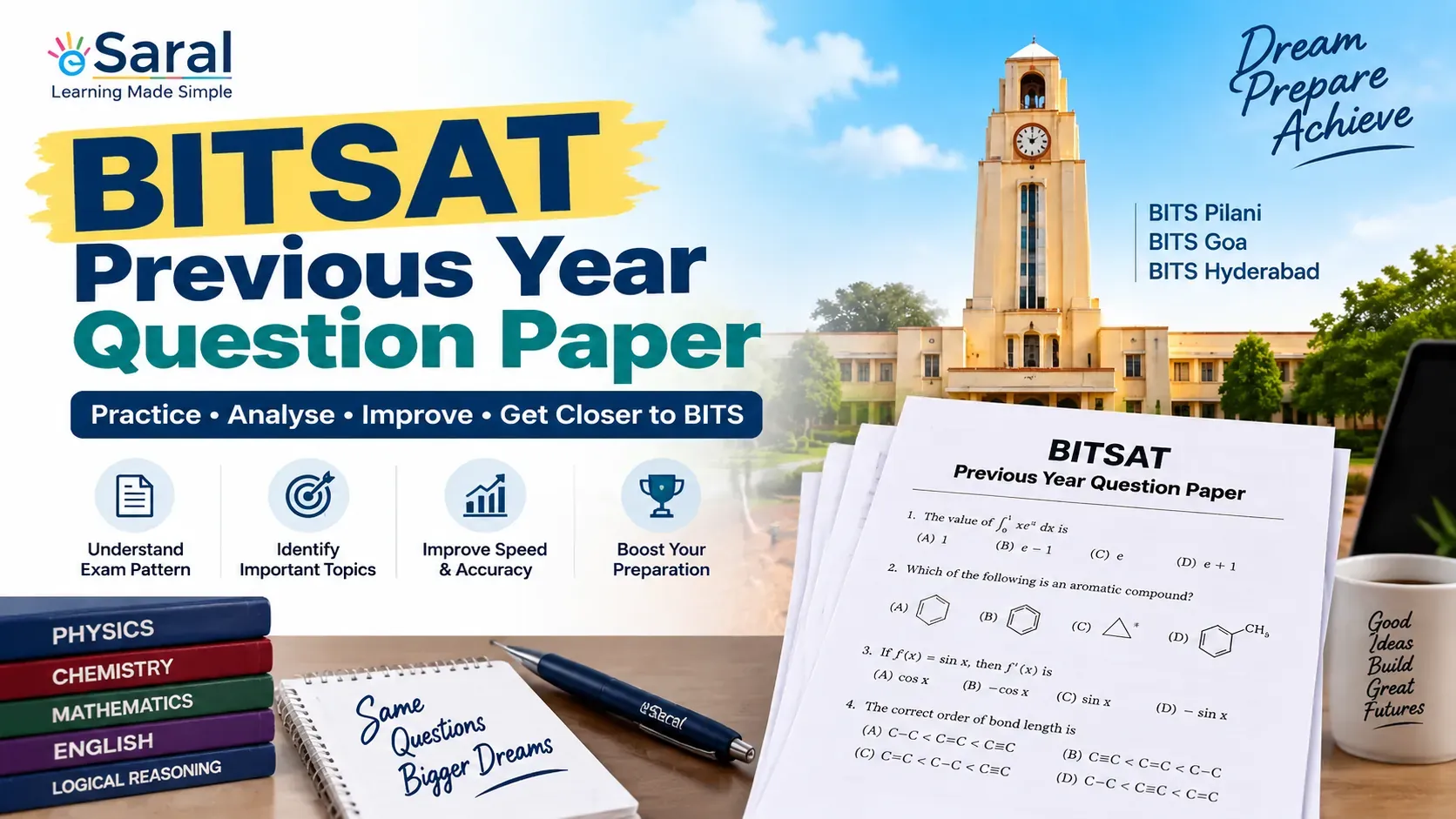
BITSAT Previous Year Question Paper PDF
Download BITSAT previous year question papers PDF. Get year-wise BITSAT PYQs, memory-based papers, exam pattern, and preparation tips to improve your BITSAT preparation.

Teachers’ Day 2026 at eSaral Gurukul: Celebrating the Bond Between Students, Teachers & Mentors
See how Teachers’ Day 2026 was celebrated at eSaral Gurukul, reflecting the bond among students, teachers, and mentors, and the role of guidance beyond academics.
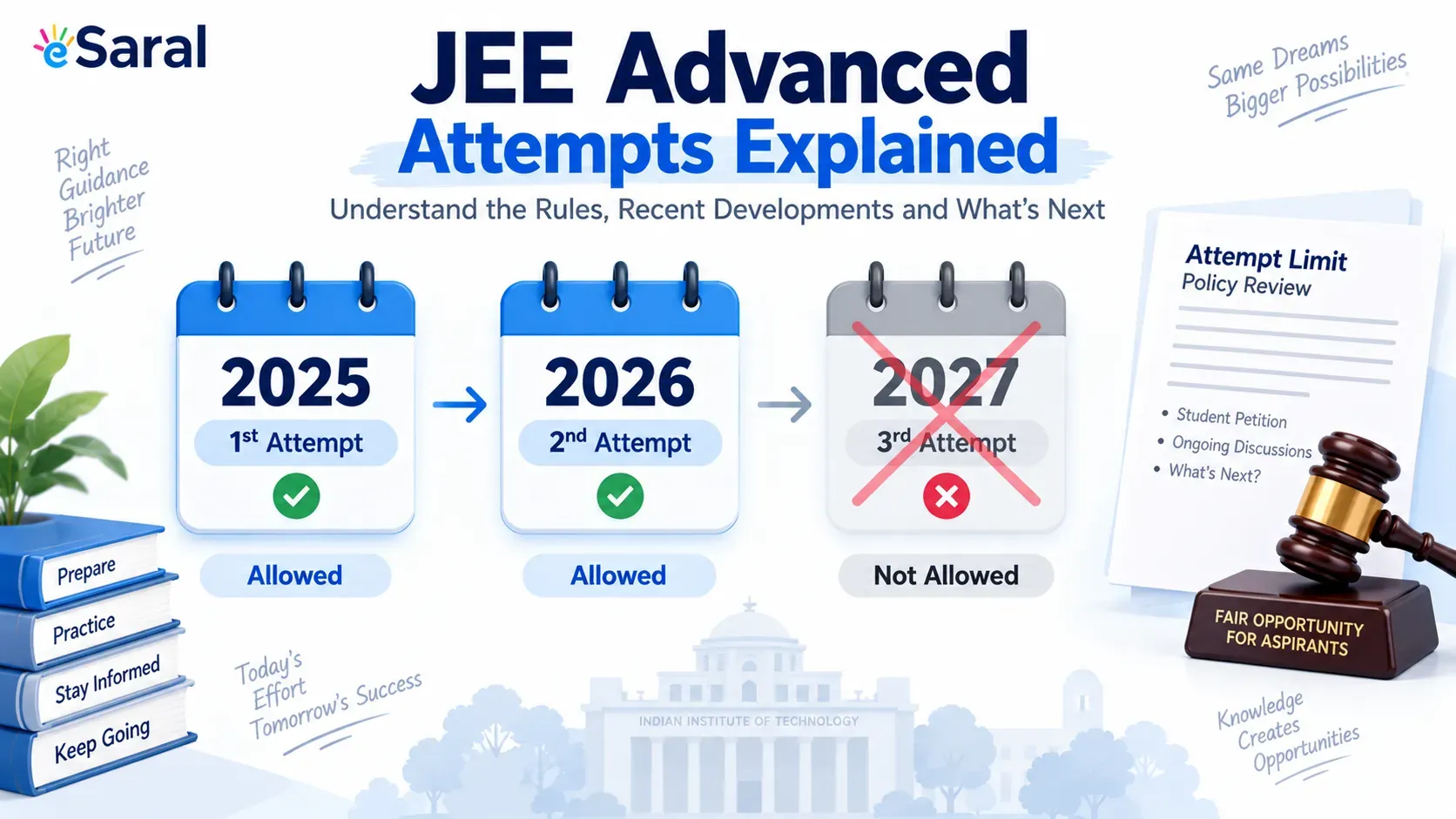
JEE Advanced Attempts: Can You Give It a Third Time? Rules Explained
JEE Advanced attempts: current rule is 2 consecutive years only: full eligibility criteria, the 2025 third-attempt controversy, and the latest 2026 petition news.

Best JEE Preparation App
Best JEE preparation app for Main & Advanced: AI mock tests, live doubt-solving, thousands of practice questions. JEE preparation app for droppers & Class 11-12.
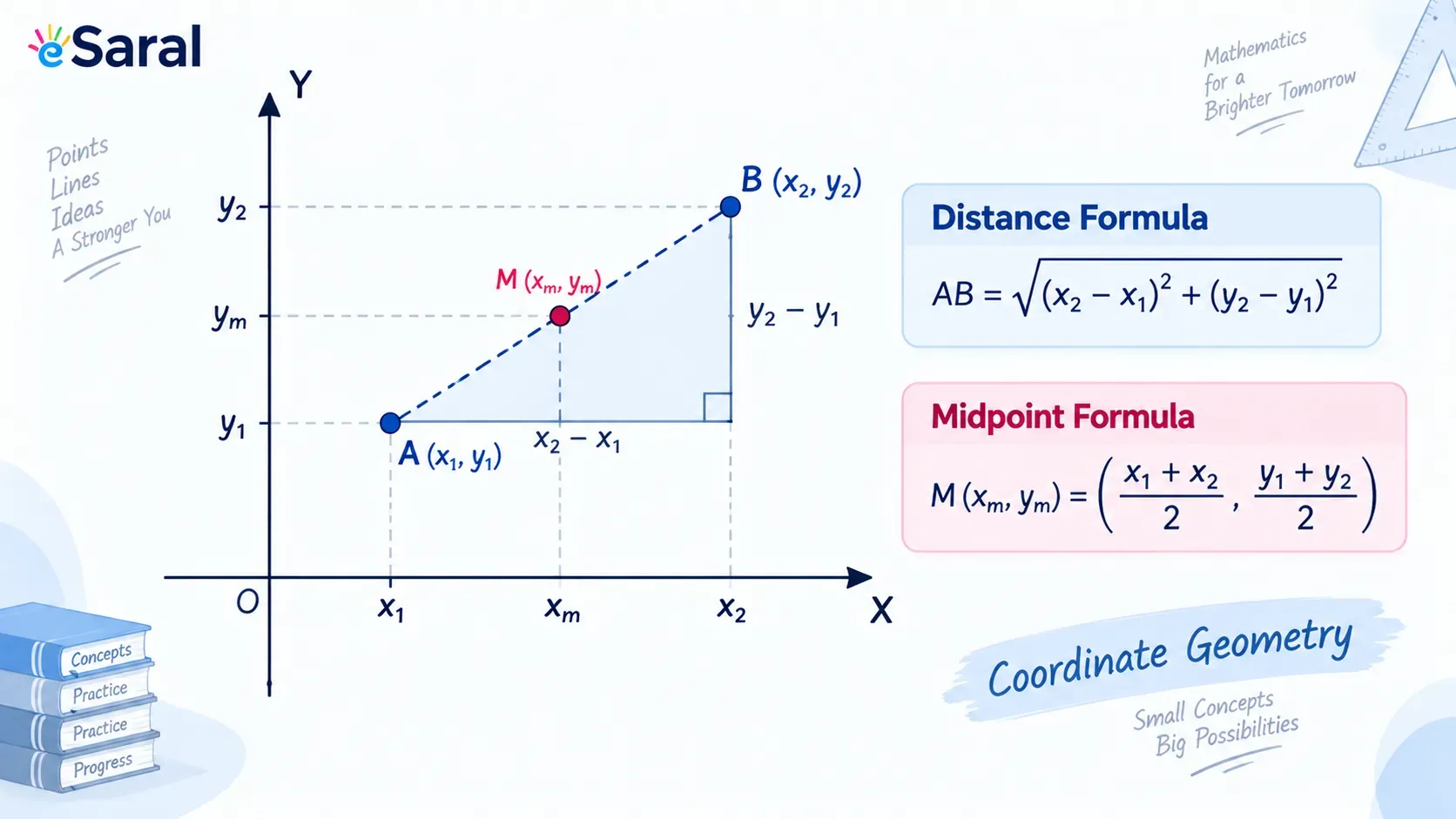
Coordinate Geometry Class 10: Formulas, Notes & Solved Examples
Coordinate geometry class 10: complete CBSE formulas — distance, section, midpoint and area of triangle — with derivation, notes and solved examples.
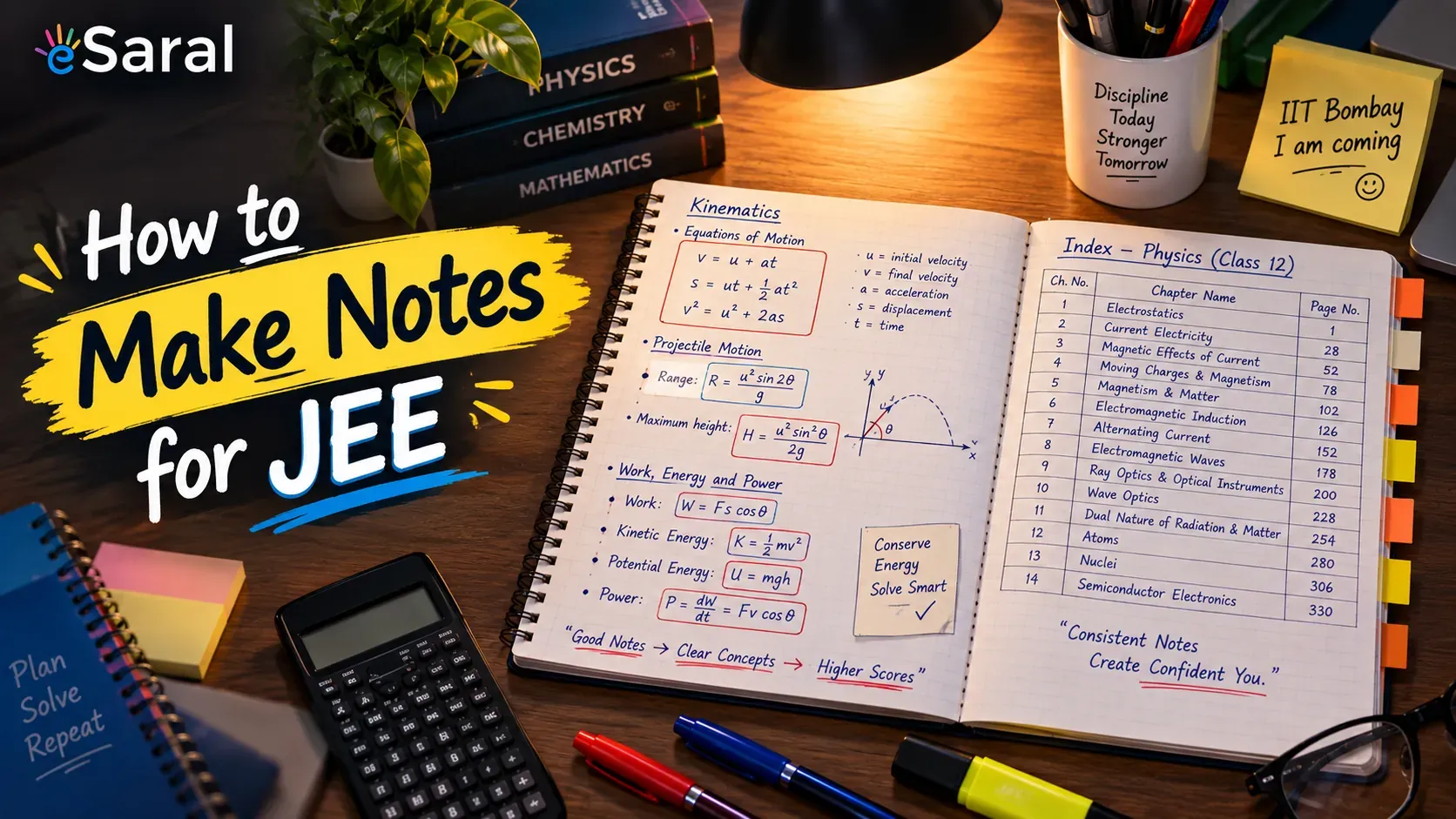
How to make Notes For JEE Smart Notes Strategy of an AIR 41
Learn how to make notes for JEE the way toppers do — indexing, shorthand, and smart short notes for JEE that cut revision time to just 5–7 days.
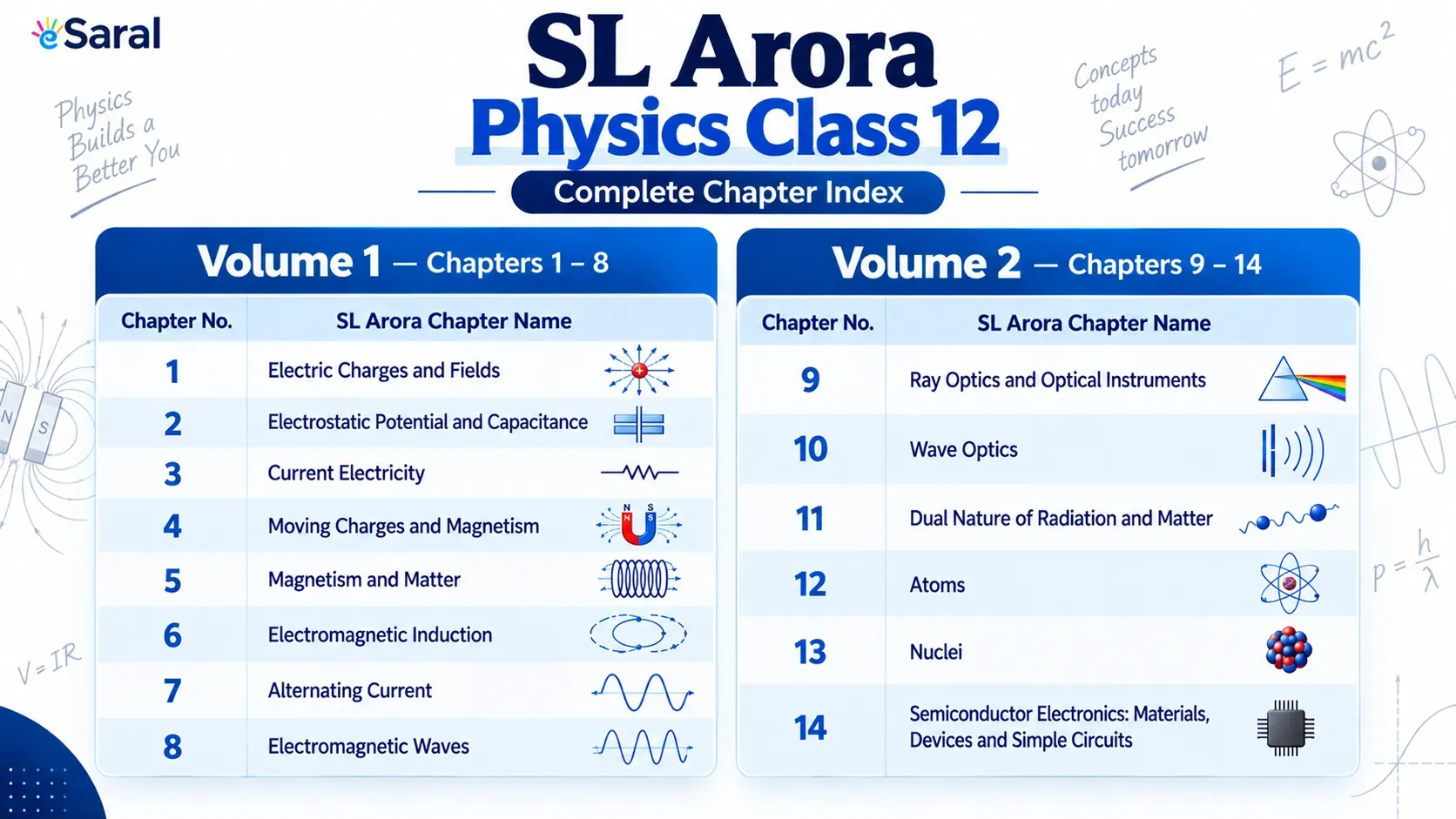
SL Arora Physics Class 12 Index – Chapter List for Volume 1 & 2
SL Arora Physics Class 12 index — complete chapter list for Volume 1 & 2, mapped to NCERT solutions for board, JEE Main, and NEET preparation.