
Biomolecule - JEE Main Previous Year Questions with Solutions

eSaral Academic and Editorial Team
Summary
Biomolecules JEE Main Previous Year Questions covers important PYQs on carbohydrates, proteins, amino acids, vitamins, DNA, RNA, sugars, and biochemical processes, helping students strengthen conceptual understanding and exam preparation.
eSaral › JEE › JEE Main ›Biomolecule - JEE Main Previous Year Questions with Solutions

🚀 Checkout eSaral Courses
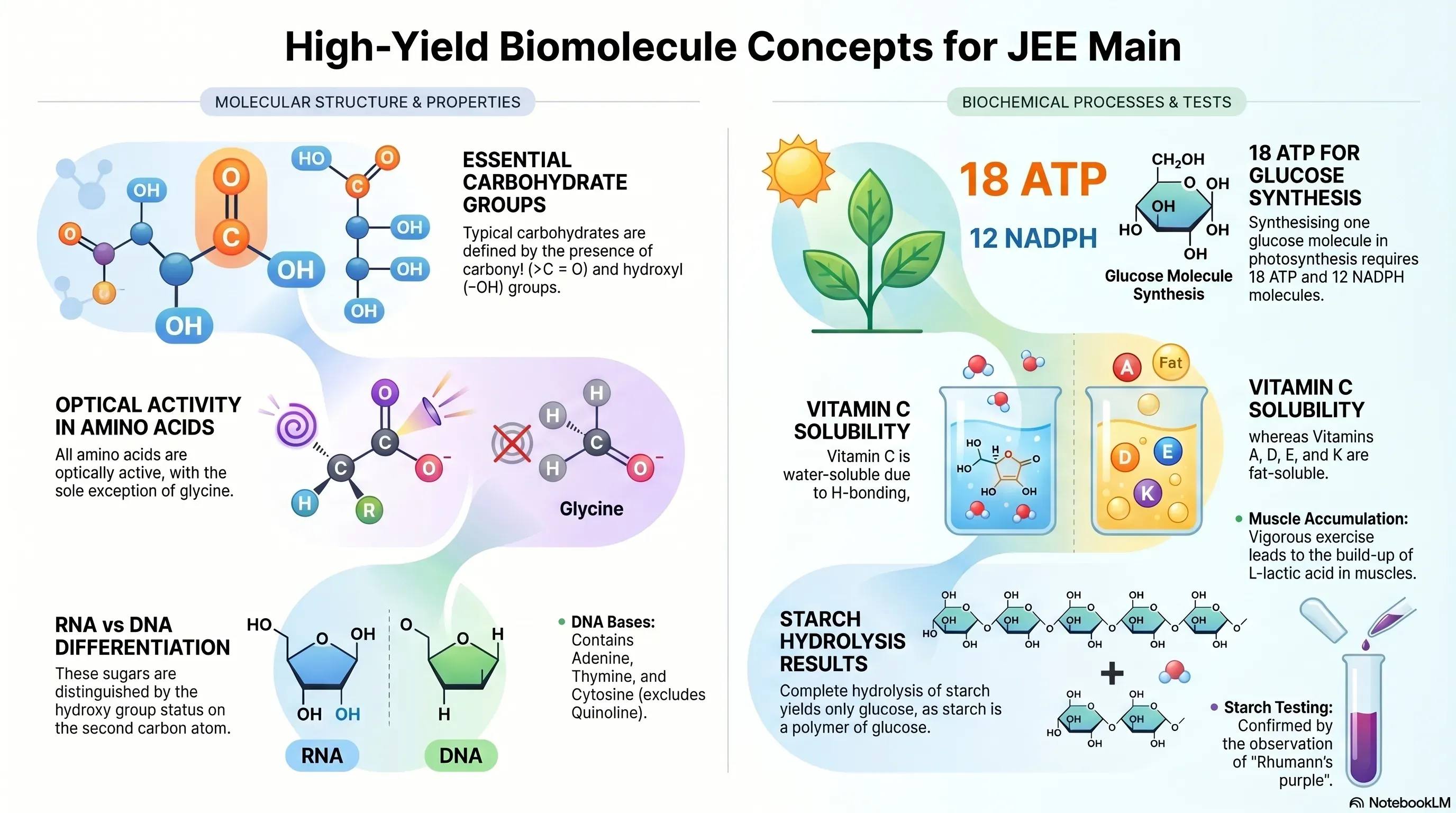
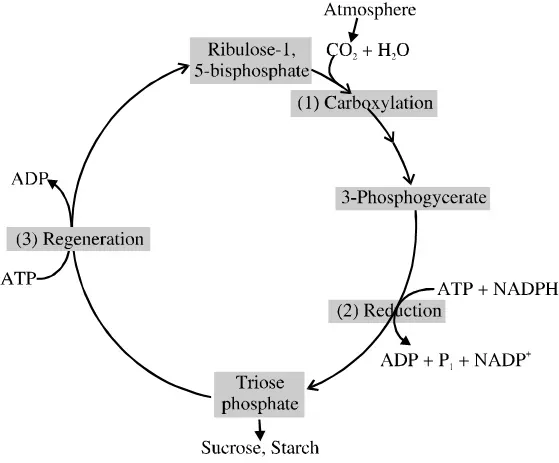
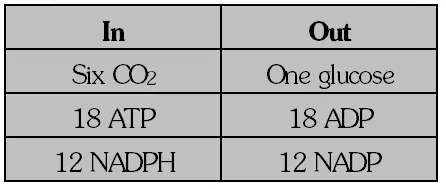
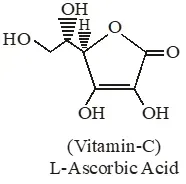
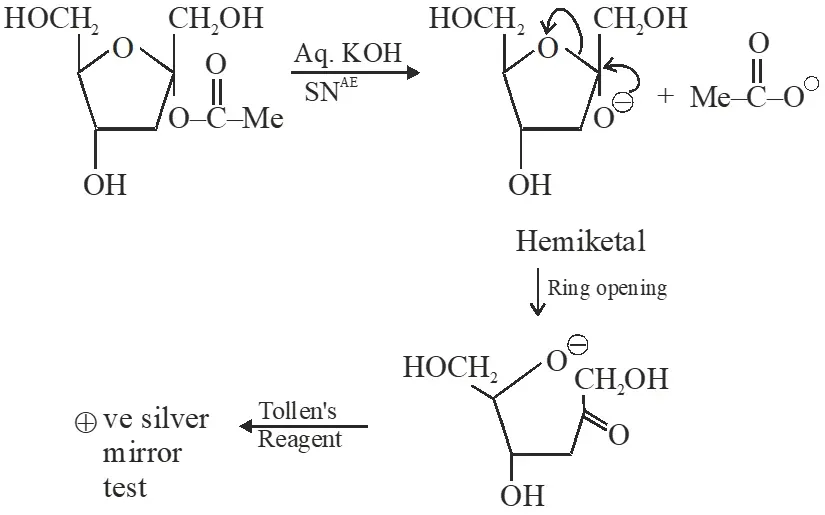
Simulator Previous Years AIEEE/JEE Main Questions [esquestion] The two functional groups present in a typical carbohydrate are :- (1) >C = O and –OH (2) –OH and –CHO (3) –OH and –COOH (4) –CHO and –COOH #tag# AIEEE-2009 #sol# (2) [/esquestion] [esquestion] Biurest test is not given by :- (1) proteins (2) carbohydrates (3) polypeptides (4) urea #tag# AIEEE-2010 #sol# (2) [/esquestion] [esquestion] The presence or absence of hydroxy group on which carbon atom of sugar differentiates RNA and DNA? (1) 3rd (2) 4th (3) 1st (4) 2nd #tag# AIEEE-2011 #sol# (4) [/esquestion] [esquestion] The change in the optical rotation of freshly prepared solution of glucose is known as :- (1) tautomerism (2) racemisation (3) specific rotation (4) mutarotation #tag# AIEEE-2011 #sol# (4) [/esquestion] [esquestion] Which one of the following statements is correct ? (1) All amino acids except glutamic acid are optically active (2) All amino acids except lysine are optically active (3) All amino acids are optically active (4) All amino acids except glycine are optically active #tag# AIEEE-2012 #sol# (4) [/esquestion] [esquestion] Synthesis of each molecule of glucose in photosynthesis involves :- (1) 18 molecules of ATP (2) 10 molecules of ATP (3) 8 molecules of ATP (4) 6 molecules of ATP #tag# JEE Main -2013 #sol# (1) Six rounds of the Calvin cycle are required, because one carbon atom is reduced in each round. Twelve molecules of ATP are expended. An additional six molecular of ATP are spent in regenerating ribulose-1, 5-biphosphate $6 \mathrm{CO}_{2}+18 \mathrm{ATP}+12 \mathrm{NADPH}+12 \mathrm{H}_{2} \mathrm{O} \rightarrow$ $\mathrm{C}_{6} \mathrm{H}_{12} \mathrm{O}_{6}+18 \mathrm{ADP}+18 \mathrm{P}_{\mathrm{i}}+12 \mathrm{NADP}+6 \mathrm{H} \oplus$ Reference : NCERT 11th class chapter-13 (Photosynthesis Pg. 217, 218 in higher plants. Calvin cycle where sugar is synthesised is as follows : The Calvin cycle proceeds in three stages (1) carboxylation, during which $\mathrm{CO}_{2}$ combines with ribulose-1.5-bisphosphate (2) reduction, during which carbohydrate is formed at the expense of the photochemically made ATP and NADPH and (3) regeneration during which the $\mathrm{CO}_{2}$ acceptor ribulose-1,5-bisphosphate is formed again so that the cylcle continues. It might help you to understand all of this if we look at what goes in and what comes out of the Calvin cycle. [/esquestion] [esquestion] Which one of the following bases is not present in DNA ? (1) Cytosine (2) Thymine (3) Quinoline (4) Adenine #tag# JEE-Main 2014 #sol# (3) All cytosine, thymine and adenine are present in DNA. Only quinoline is not present in DNA. [/esquestion] [esquestion] Which of the vitamins given below is water soluble? (1) Vitamin E (2) Vitamin K (3) Vitamin C (4) Vitamin D #tag# JEE-Main 2015 #sol# (3) Vitamine C is soluble in water due to H-Bonding & all other vitamines given in question are fat soluble. [/esquestion] [esquestion] Complete hydrolysis of starch gives : (1) glucose and fructose in equimolar amounts (2) glucose only (3) galactose and fructose in equimolar amounts (4) glucose and galactose in equimolar amounts #tag# JEE-Main(Online) - 2015 #sol# (2) Starch is polymer of Glucose [/esquestion] [esquestion] Accumulation of which of the following molecules in the muscles occurs as a result of vigorous exercise :- (1) Pyruvic acid (2) L-lactic acid (3) Glycogen (4) Glucose #tag# JEE-Main(Online) - 2015 #sol# (2) [/esquestion] [esquestion] Consider the following sequence for aspartic acid: The pI (isoelectric point) of aspartic acid is : (1) 1.88 (2) 2.77 (3) 3.65 (4) 5.74 #tag# JEE-Main(Online) - 2016 #sol# (4) [/esquestion] [esquestion] Observation of "Rhumann's purple" is a confirmatory test for the presence of : (1) Starch (2) Reducing sugar (3) Cupric ion (4) Protein #tag# JEE-Main(Online) - 2017 #sol# (1) [/esquestion] [esquestion] Which of the following compounds will behave as a reducing sugar in an aqueous KOH solution ? #tag# JEE-Main 2017 #sol# (1) (1) Ester in presence of Aqueous KOH solution give SNAE reaction so following reaction takes place [/esquestion]



For Biomolecules and other Chemistry chapters, the JEE Mains PYQ chapter wise page provides organised chapter-wise practice.
Every reaction described here starts from the same molecule — see the structure of glucose page for exactly what that looks like.
After Biomolecules, test yourself on a full-length paper. Our JEE Main previous year question paper covers every recent session, free to attempt.
Frequently Asked Questions
How many questions from Biomolecules appear in JEE Main each year?
JEE Main typically includes 1 to 2 questions from the Biomolecules chapter per session. Since NTA conducts two sessions (January and April), you may see up to 4 questions across both. The questions are almost always factual or definition-based, making this one of the easier chapters to score in if NCERT is covered thoroughly.
What are the most important topics in Biomolecules for JEE Main?
The highest-frequency topics based on past papers are: (1) carbohydrates — functional groups, mutarotation, hydrolysis products; (2) proteins and amino acids — Biuret test, optical activity, isoelectric point; (3) nucleic acids — DNA vs RNA structural difference; (4) vitamins — fat-soluble vs water-soluble classification. These four areas have appeared every 2–3 years since AIEEE 2009.
What is the difference between Biuret test and Ninhydrin test?
The Biuret test detects peptide bonds using alkaline copper sulphate solution — it turns violet/purple with proteins and polypeptides. The Ninhydrin test detects free amino groups (–NH₂) and produces Rhumanns purple with amino acids and proteins. Carbohydrates give neither test positive. JEE Main has specifically tested both — know which detects what.
Why is glycine optically inactive while other amino acids are not?
Glycine (H₂N–CH₂–COOH) has two hydrogen atoms on its alpha carbon, making it achiral — no mirror image exists that is non-superimposable. All other standard amino acids have four different groups on their alpha carbon (amino, carboxyl, hydrogen, and a unique R-group), making them chiral and therefore optically active.
How do I calculate the isoelectric point (pI) of an amino acid?
The isoelectric point is the pH at which an amino acid carries zero net charge (exists as a zwitterion). For a dibasic amino acid like aspartic acid: pI = (pKa₁ + pKa₂) / 2 = (1.88 + 3.65) / 2 = 2.77. Always identify which two pKa values flank the neutral zwitterion form before calculating — this is where most students lose marks.
Team eSaral
eSaral Academic and Editorial Team
Team eSaral is the collective author profile for educational content created by eSaral’s teachers and academic contributors. The team draws on expertise from IIT graduates, doctors, experienced educators and subject specialists to develop resources for JEE, NEET and school students. Our articles aim to explain concepts clearly and help students study with confidence.
Related Posts
Plant Cell Diagram: Labelled Structure, Parts and Functions
Simple, labelled plant cell diagram with parts and functions. Covers plant cell structure for Class 6, 7, 8, 9, 10 and 11 students, CBSE-aligned.
Saransh Gupta Sir's Visit to IIT Patna: Hostel Life, Placements & Lessons for JEE Aspirants
Inside Saransh Gupta Sir's IIT Patna visit — hostel life, the library, placements, internships, and real advice for JEE aspirants from students living the IIT dream.
Molality Formula: Formula for Molality, Derivation & Solved Examples
Molality formula is $m = \dfrac{n}{W}$. Learn the formula of molality, its SI unit, derivation, relation with molarity, and solved examples for Class 11, JEE and NEET.
BITSAT Previous Year Question Paper PDF
Download BITSAT previous year question papers PDF. Get year-wise BITSAT PYQs, memory-based papers, exam pattern, and preparation tips to improve your BITSAT preparation.

Teachers’ Day 2026 at eSaral Gurukul: Celebrating the Bond Between Students, Teachers & Mentors
See how Teachers’ Day 2026 was celebrated at eSaral Gurukul, reflecting the bond among students, teachers, and mentors, and the role of guidance beyond academics.
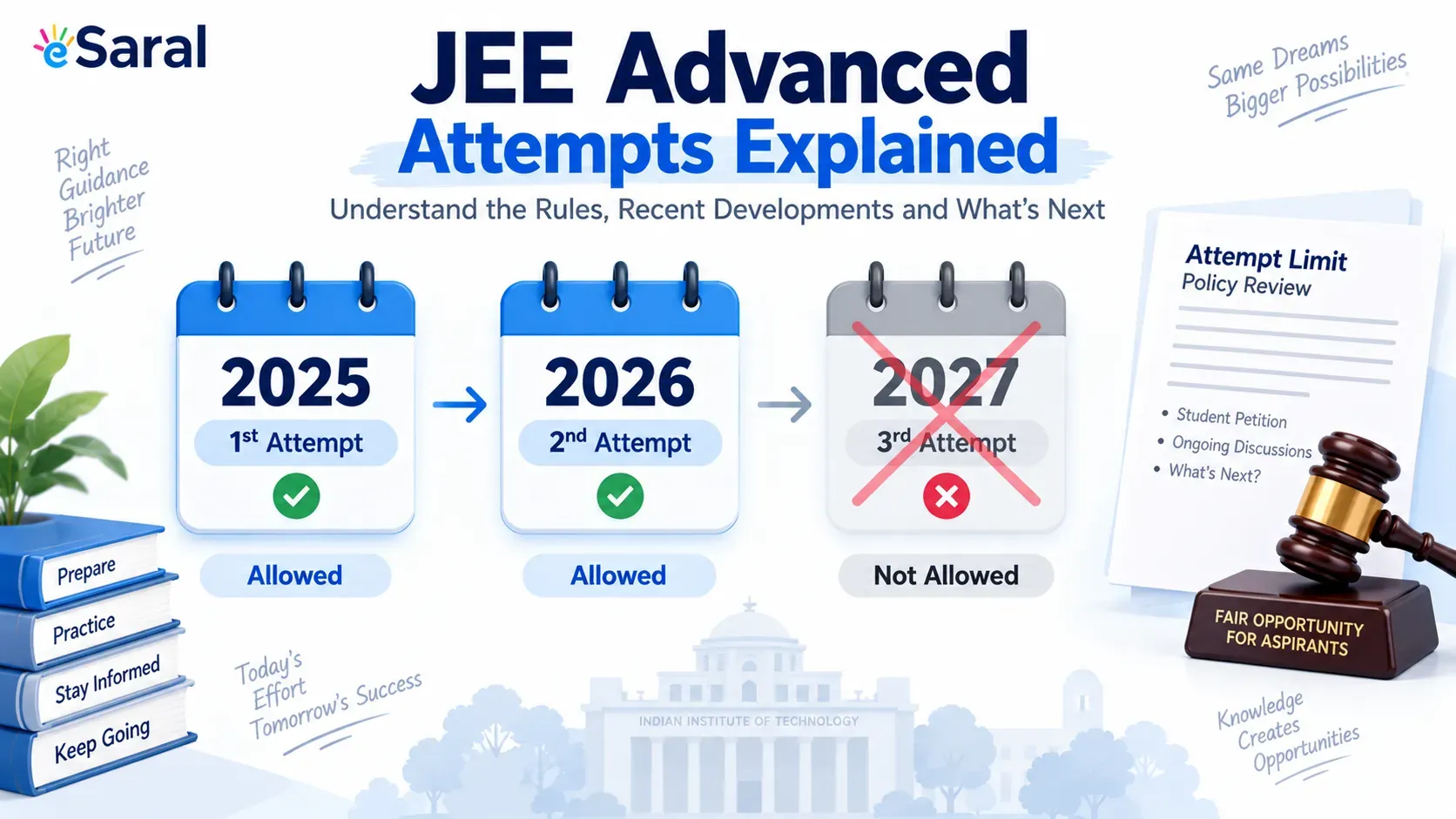
JEE Advanced Attempts: Can You Give It a Third Time? Rules Explained
JEE Advanced attempts: current rule is 2 consecutive years only: full eligibility criteria, the 2025 third-attempt controversy, and the latest 2026 petition news.
Best JEE Preparation App
Best JEE preparation app for Main & Advanced: AI mock tests, live doubt-solving, thousands of practice questions. JEE preparation app for droppers & Class 11-12.
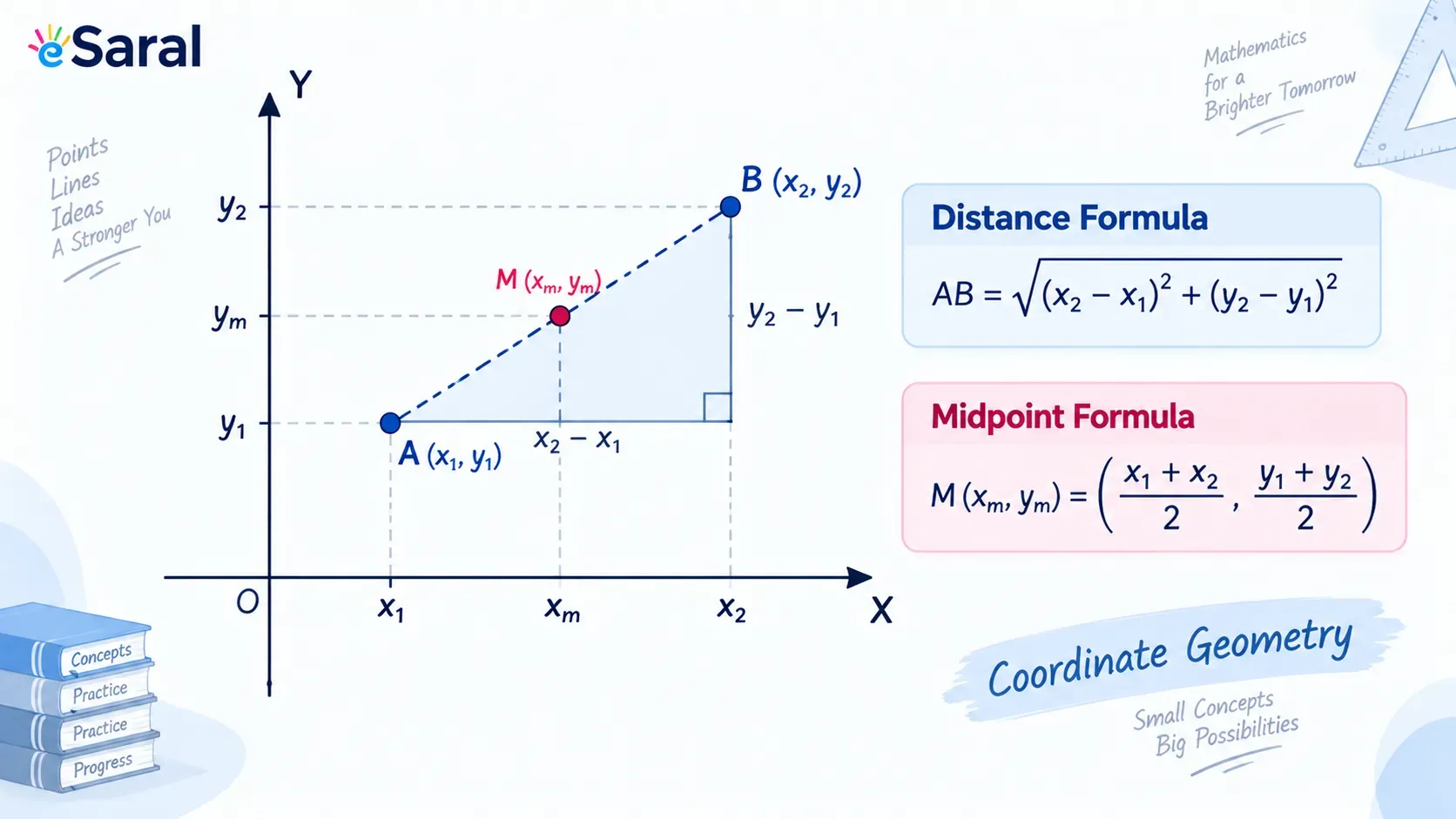
Coordinate Geometry Class 10: Formulas, Notes & Solved Examples
Coordinate geometry class 10: complete CBSE formulas — distance, section, midpoint and area of triangle — with derivation, notes and solved examples.
How to make Notes For JEE Smart Notes Strategy of an AIR 41
Learn how to make notes for JEE the way toppers do — indexing, shorthand, and smart short notes for JEE that cut revision time to just 5–7 days.
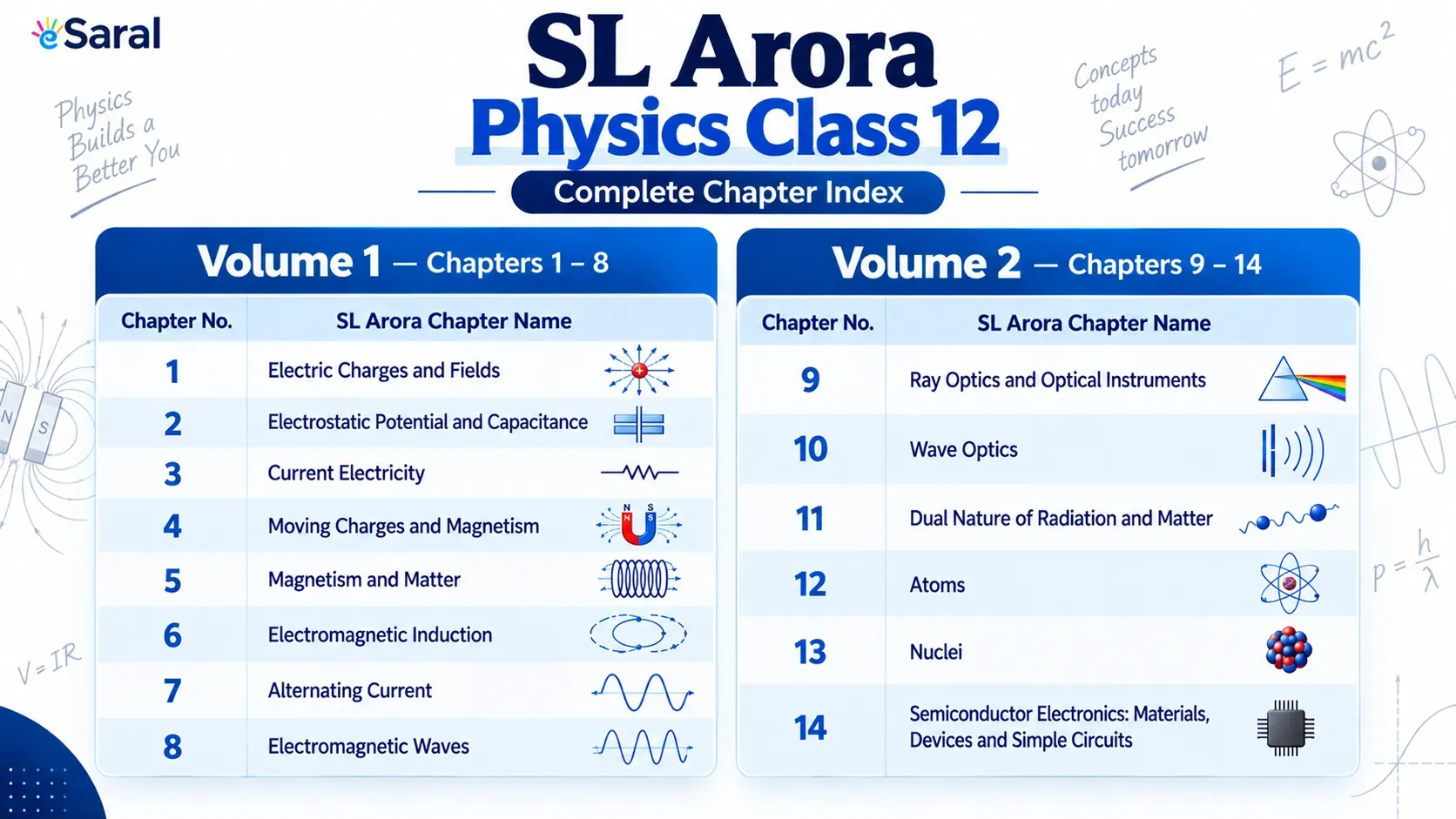
SL Arora Physics Class 12 Index – Chapter List for Volume 1 & 2
SL Arora Physics Class 12 index — complete chapter list for Volume 1 & 2, mapped to NCERT solutions for board, JEE Main, and NEET preparation.